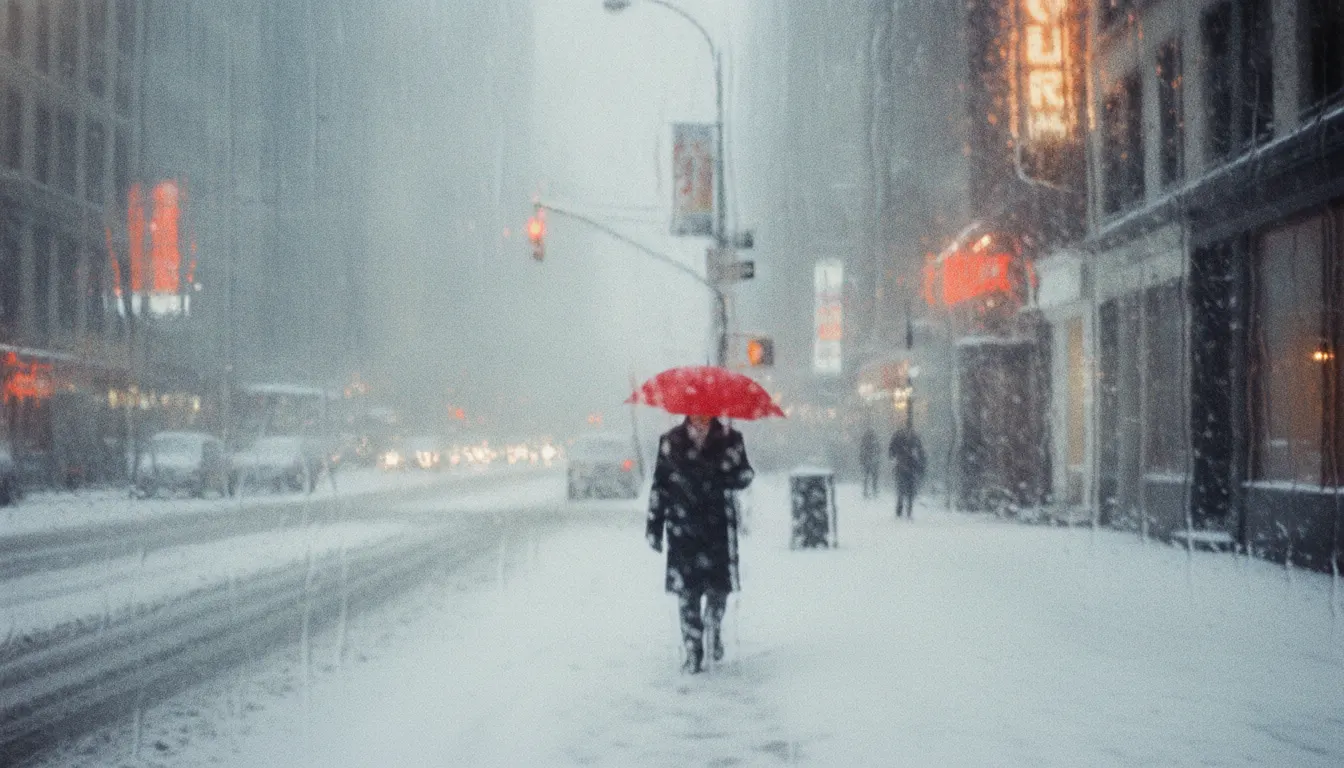
Early Color (monograph, Steidl, 2006)
the primary collection of 1950s-1960s personal work
Saul Leiter early-color New York. Through-glass reflection, rain-streaked window, abstract painterly color, snow umbrella in red.
The moves a human crew would use to get here. Cue applies them for you, and knowing their names is how you ask for a change.
subjects photographed through wet glass, rain-streaked windows, fabric, or architectural frames
shop windows and glass surfaces combining interior and exterior elements in single frame
rich but not oversaturated, with characteristic cool blues and warm reds
a large near element (umbrella, wall, fabric) occupies major compositional area
elements at different distances treated as equivalent planes of color and form
the city as texture rather than event
preserving color richness in mids and shadows at the expense of highlight brightness
Saul Leiter (born Pittsburgh, Pennsylvania, 1923 - died New York City, 2013) spent decades shooting color street photography in New York while working as a commercial fashion photographer. His personal work - mostly unexhibited until art historian Michael Parke-Taylor and gallerist Howard Greenberg began organizing exhibitions in the 2000s - is now recognized as the most significant early color street photography body of work and a foundational influence on contemporary photographers.
Leiter shot his personal street work primarily in the 1950s and 1960s, using Kodachrome 64 slide film in a Leica M3. He kept this work largely to himself, preferring quietness over career ambition. The 2006 monograph Early Color (Steidl) was the first major publication, and the 2013 documentary In No Great Hurry: 13 Lessons in Life with Saul Leiter (director Tomas Leach), released the year of his death, introduced his personality and philosophy to a wide international audience. The Foundation Saul Leiter, established to steward the archive after his death, has continued releasing previously unseen work.
Leiter's photographs work through indirection and obscuration. Subjects are glimpsed through wet windows with rain reflection blurring their contours, framed through doorways or behind hanging fabric, or seen at the edges of the frame while the compositional center is occupied by an apparently incidental element - an umbrella, a wall, a swath of color. The Kodachrome palette is saturated but not garish: blues are cool and deep, reds are warm and brick-like, yellows have a warm amber quality. Exposure tends toward slightly darker-than-typical, preserving color richness.
Leiter trained as a painter and was deeply influenced by Pierre Bonnard, Henri Matisse, and Japanese woodblock prints (ukiyo-e). The flattening of pictorial space through a foreground element, the use of adjacent warm and cool color passages, and the preference for intimate domestic or street scenes over dramatic or monumental subjects all reflect these painterly influences operating through a photographic sensibility.
Leiter's influence on Instagram-era street photography and the contemporary 'painterly' filter aesthetic is pervasive and often unacknowledged. His fundamental insight - that color relationships and spatial compression can make a mundane city block visually extraordinary - remains generative.
the primary collection of 1950s-1960s personal work
A Look is not a filter. It is a set of stored decisions the pipeline reads before it makes a single frame, so two videos in the same Look actually match.
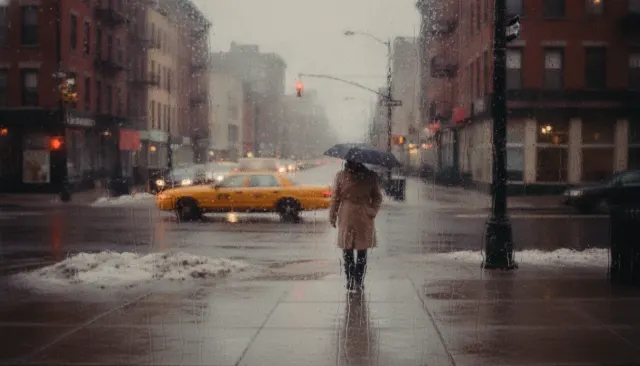 Era Specific Color1970s Gritty New York Color Saul Leiter
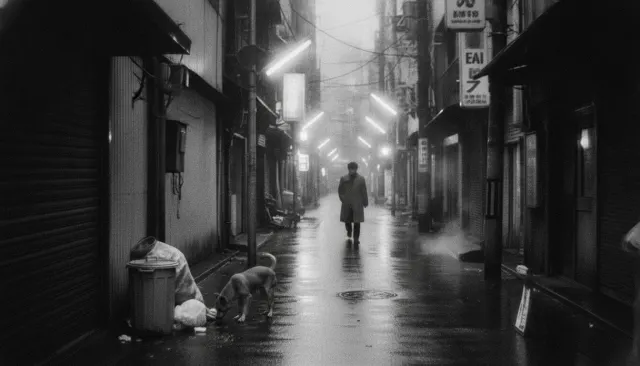 Street PhotographyDaido Moriyama BW Grain Japan
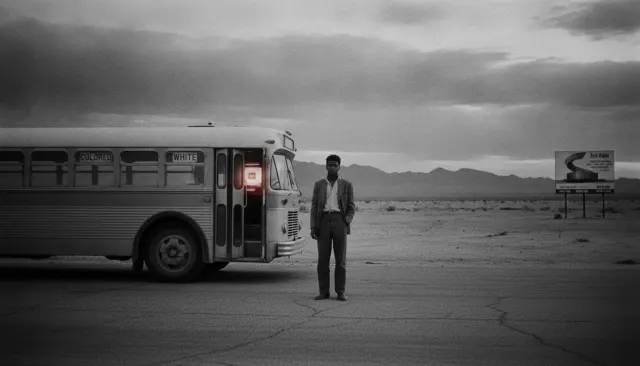 Photographers Fine ArtRobert Frank The Americans 1958
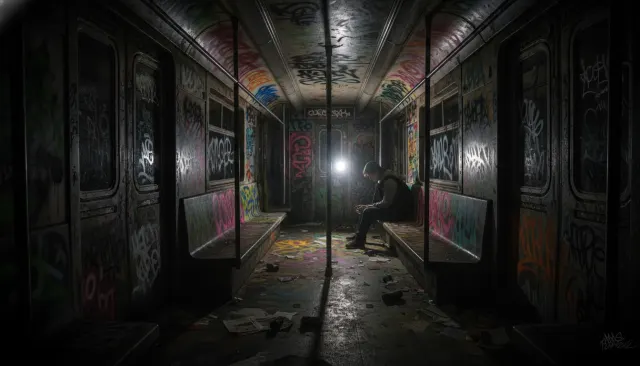 Era Specific Color1980s Subway Graffiti Bruce Davidson
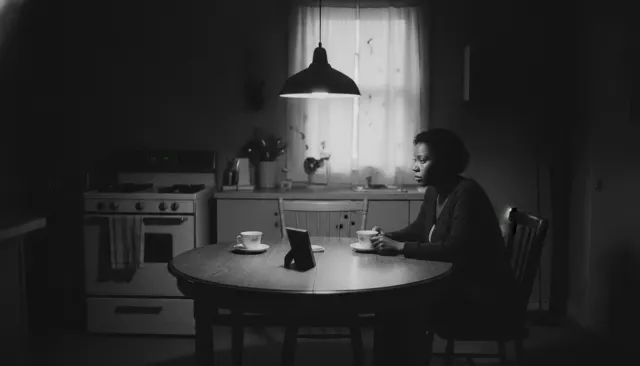 Photographers Color ModernCarrie Mae Weems Narrative BW
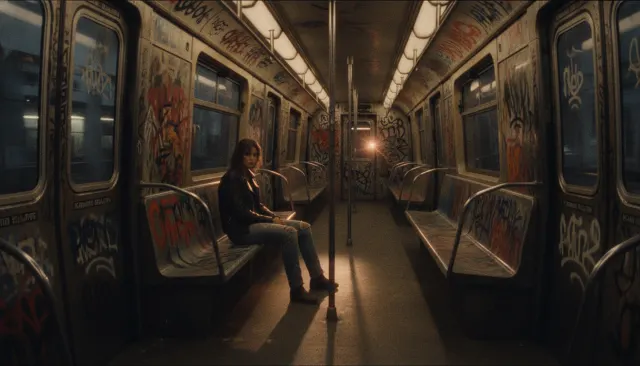 Street PhotographyBruce Davidson Subway Flash