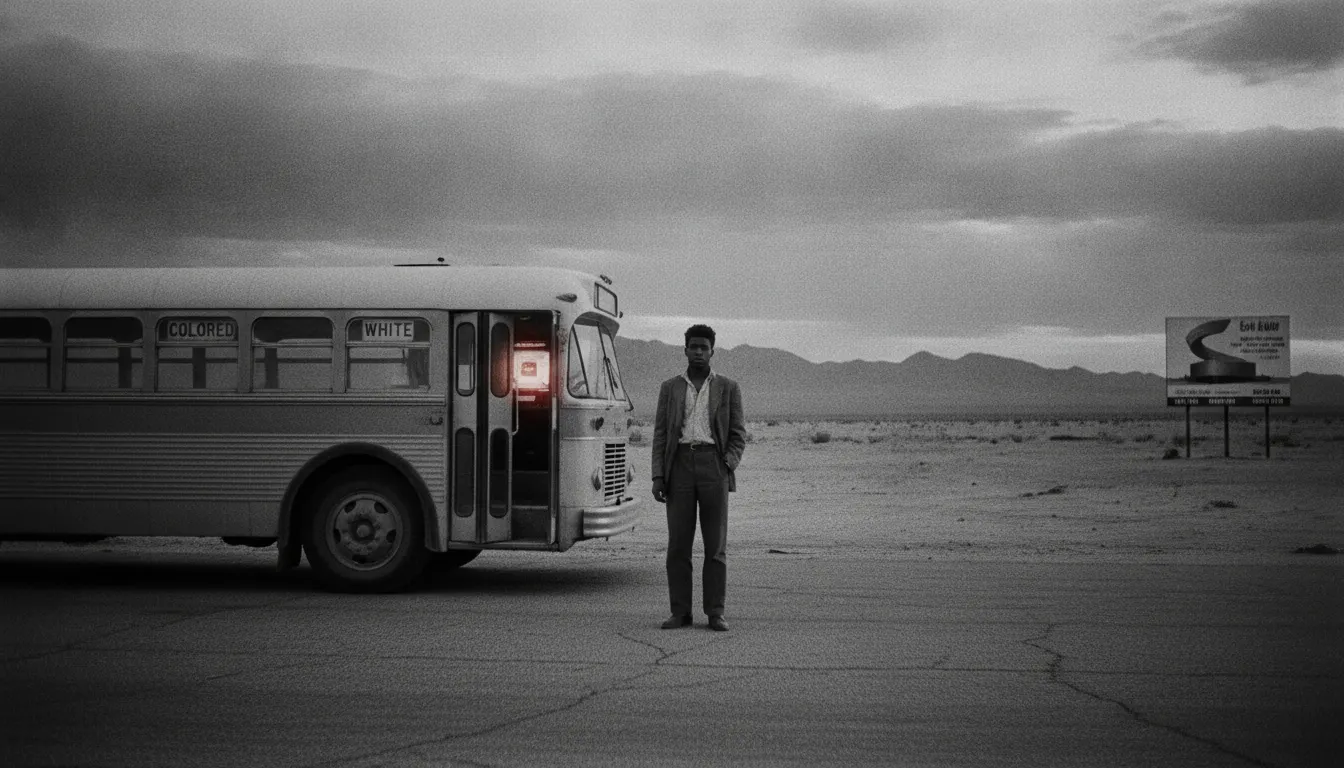
The Americans
published Paris (Delpire) 1958, New York (Grove Press) 1959, introduction by Jack Kerouac
Robert Frank The Americans road-trip monograph. Loose-framed grainy bw, jukebox glow, segregated bus, outsider Swiss gaze on postwar America.
The moves a human crew would use to get here. Cue applies them for you, and knowing their names is how you ask for a change.
X at ISO 400, often pushed to ISO 800-1600 for available light in harsh American light conditions
contrast printing: blacks crushed, highlights bright, midtone detail sacrificed for graphic impact
grain as texture of social truth rather than technical defect
the world slightly off-axis reflecting its instability
based sequencing: flags, jukeboxes, TVs, cars recur as symbolic vocabulary across the edit
Robert Frank (born Zurich, Switzerland, 1924 - died Inverness, Nova Scotia, 2019) changed the direction of photography with a single book. The Americans was first published in Paris by Robert Delpire in 1958, then by Grove Press in New York in 1959 with an introduction by Jack Kerouac, and is now recognized as the most influential photography book of the 20th century.
Between 1955 and 1956, supported by a Guggenheim Fellowship, Frank drove across the United States making approximately 28,000 exposures on 35mm film. He edited these to 83 photographs for the book - a compression ratio that itself communicates his method. The edit is not a survey or documentary inventory. It is a poem: images selected for resonance, juxtaposition, and cumulative argument rather than factual completeness. Frank edited in a specific sequence: images of the American flag, the jukebox, the television, the automobile, and the road recur as motifs building an argument about postwar America's loneliness and racial stratification.
Kerouac's prose introduction to the American edition - written in his characteristic stream-of-consciousness mode - was essential to the book's cultural positioning. 'Robert Frank, Swiss, unobtrusive, nice, with that little camera that he raises and snaps with one hand, he sucked a sad poem right out of America onto film, taking rank among the tragic poets of the world.' The introduction connected the book to the Beat Generation's critique of suburban conformity and placed Frank in a literary rather than documentary tradition.
Frank used a Leica rangefinder camera with 28mm and 50mm lenses on Kodak Tri-X film. His prints were not made to fine-print standards: they accepted grain, blur, skewed horizons, and high-contrast development as expressive tools. American photography curators and critics, trained on the sharp-focus clarity of Ansel Adams and Edward Weston, were disturbed. Popular Photography published a hostile review calling the work 'meaningless blur, grain, muddy exposures, drunken horizons.' This was the point.
Every photographer working in street, documentary, or personal photography since 1959 has worked in relation to The Americans. It established grain and imperfection as legitimate artistic choices, the Leica as the photojournalist's instrument, and the idea that a photography book could function as authored art object rather than illustrated text.
published Paris (Delpire) 1958, New York (Grove Press) 1959, introduction by Jack Kerouac
New Orleans (segregated streetcar), 1955-1956
New York, 1955
A Look is not a filter. It is a set of stored decisions the pipeline reads before it makes a single frame, so two videos in the same Look actually match.
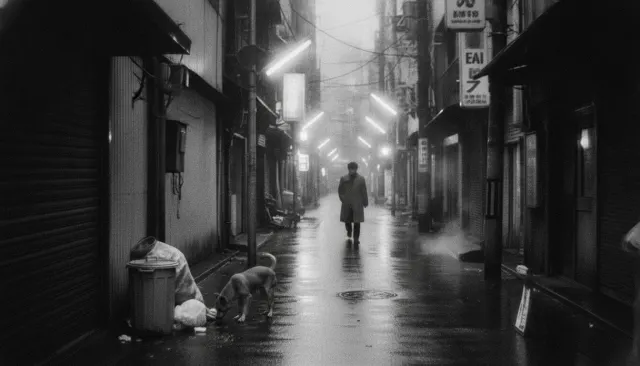 Street PhotographyDaido Moriyama BW Grain Japan
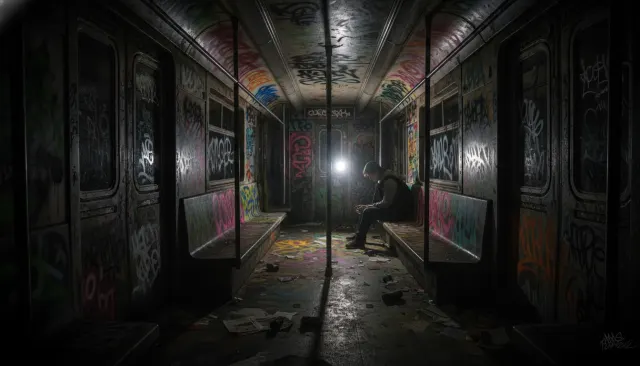 Era Specific Color1980s Subway Graffiti Bruce Davidson
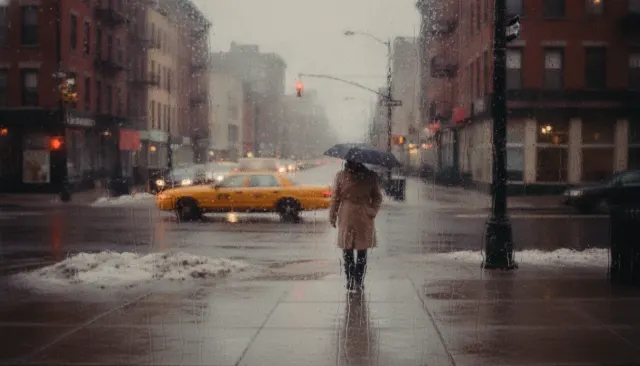 Era Specific Color1970s Gritty New York Color Saul Leiter
 Genres ExtendedConflict Zone Photojournalism Color
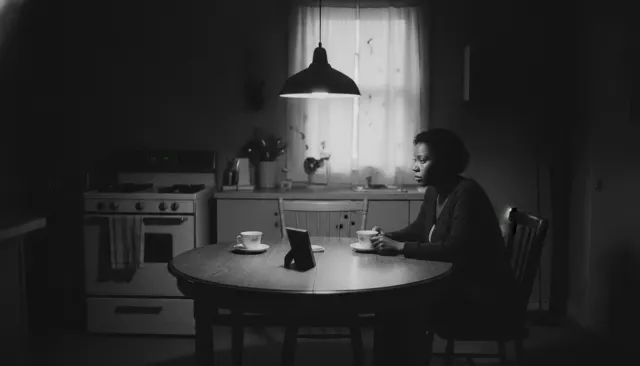 Photographers Color ModernCarrie Mae Weems Narrative BW
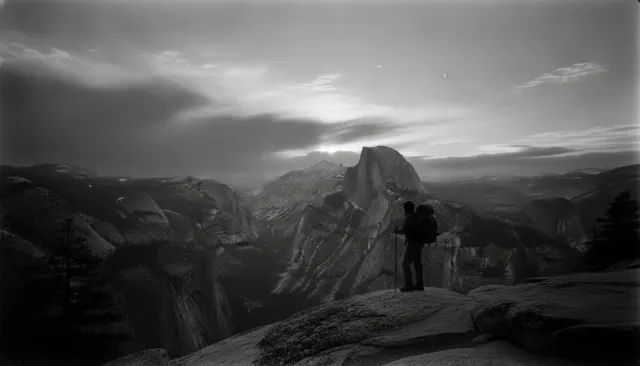 Wildlife NatureAnsel Adams BW Yosemite Large Format