EDITORIAL MAGAZINE · 1970S · USA
Rolling Stone Music Portrait
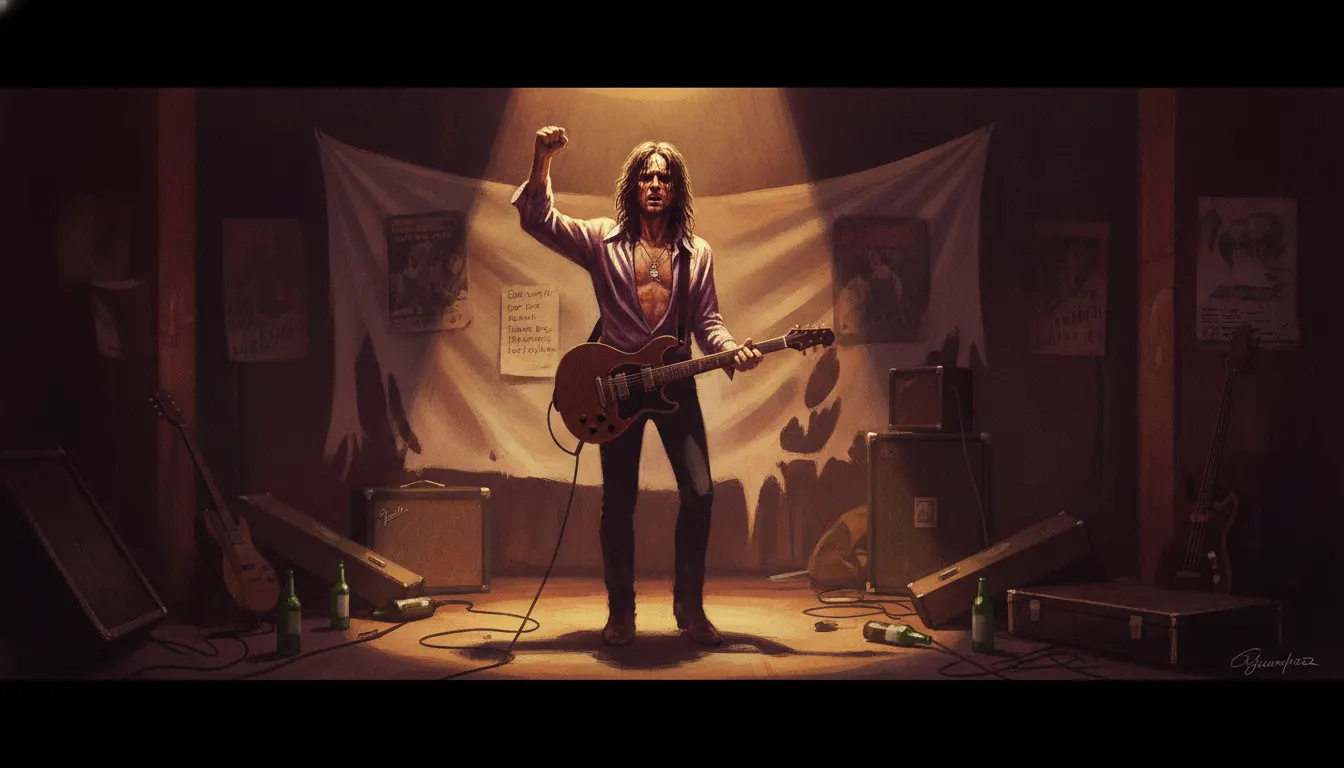
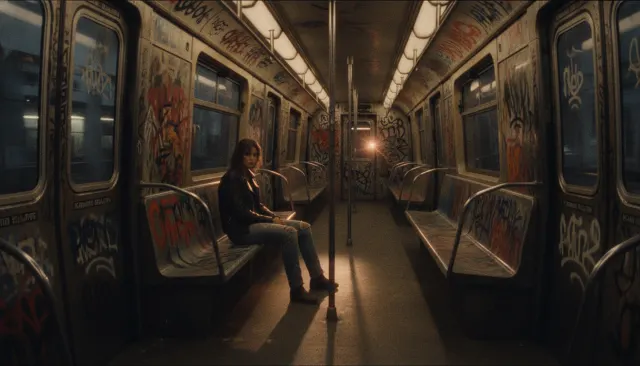
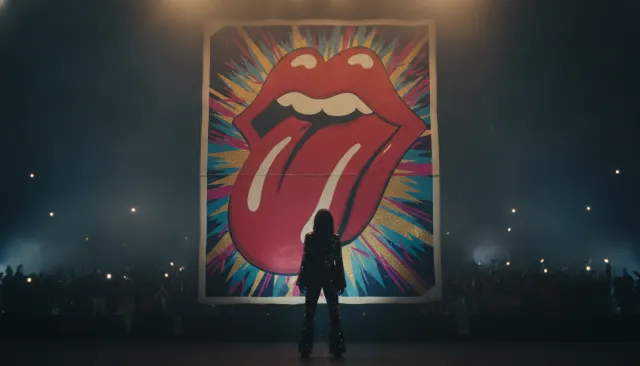
Rolling Stone magazine music portrait. Backstage Annie Leibovitz painted look, sweaty rocker glamour, gonzo headline type.
rolling-stonemusicgonzoportrait
WHEN TO USE
- Music artist photography, press portraits, or press kit imagery where intimate, direct authority is the goal
- Documentary or editorial content profiling creative figures -- musicians, directors, writers
- Brand campaigns for music streaming, instrument manufacturers, or music culture platforms
- Award ceremony or festival content that needs the gravitas of a major-magazine profile aesthetic
- Long-form interview or profile content where the portrait is meant to hold its own as a standalone image
WHEN NOT TO USE
- Band or ensemble content -- the Rolling Stone tradition is almost exclusively single-subject
- Live or action performance content where the studio-portrait stillness is inappropriate
- Youth or teen-market content where the adult gravity of the magazine's tradition is misaligned
- Content requiring diverse stylistic variation -- the Rolling Stone aesthetic is strongly unified and not a blank canvas
SIGNATURE TECHNIQUES
How the look is made.
The moves a human crew would use to get here. Cue applies them for you, and knowing their names is how you ask for a change.
- 01Direct eye contact with camera
- the subject owns the frame, no averted gaze
- 02High access, informal context
bedrooms, hotel rooms, backstage, tour buses as settings rather than studios
- 03Strong, directional single
source lighting -- often one key light with minimal fill, creating deep shadows
- 04Black
and-white or desaturated colour in many iconic portraits, reinforcing documentary authority
- 05Full
frame or tightly cropped compositions that give the face maximum presence
- 06Minimal props or styling; what the subject wears and carries signals their identity rather than a stylist's concept
- 07Occasional conceptual or staged elaboration (Seliger era) within the otherwise naturalistic tradition
HISTORY & CONTEXT
Where it comes from.
Rolling Stone Music Portrait
Rolling Stone magazine, founded by Jann Wenner in San Francisco in 1967, developed one of the most recognisable portrait photography traditions in American publishing: direct, intimate, often provocative photographs of musicians that collapsed the distance between artist and reader.
Annie Leibovitz (1970-1983)
Leibovitz joined Rolling Stone in 1970 at 20 years old and became its chief photographer by 1973. Her defining method was total access: she travelled with her subjects, photographed them in private moments and at extraordinary proximity, and developed the intimate celebrity portrait as a genre. Her final Rolling Stone cover before moving to Vanity Fair is among the most famous photographs in history: John Lennon, naked and foetal, curled against a fully clothed Yoko Ono, shot on December 8, 1980 -- the day Lennon was killed. The image ran as a double-page spread on the cover of the memorial issue.
Other defining Leibovitz/Rolling Stone portraits: Keith Richards (multiple covers, early 1970s); the naked Mick Jagger covers; Bruce Springsteen in a back alley (1978); Jim Morrison;
Mark Seliger and the 1990s
Mark Seliger served as chief photographer from 1992 to 2002, creating a more conceptually styled but equally intimate tradition. His portraits used elaborate staging, strong lighting, and sometimes theatrical scenarios while maintaining Rolling Stone's characteristic directness. His Kurt Cobain portrait (January 1994) -- shot three months before Cobain's death -- is among the most striking of the era.
The Cover Aesthetic
Rolling Stone covers follow consistent conventions: single subject, three-quarter or full-face to camera, name in the classic Rolling Stone logotype (designed by Jim Parkinson, adapted from a hand-lettered original), often with a stark or contrasting background. The format rewards authenticity over glamour: unflattering light is acceptable; what matters is presence.
NOTABLE WORKS
Where you have seen it.
Annie Leibovitz, Bruce Springsteen in back alley, RS cover October 1978
Richard Avedon, Beatles photograph (published RS, multiple occasions)
Mark Seliger, Kurt Cobain (January 1994, one of the last major Cobain portraits)
Annie Leibovitz, various Keith Richards covers, 1971-73
THE RECIPE
The exact knobs
the renderer turns.
A Look is not a filter. It is a set of stored decisions the pipeline reads before it makes a single frame, so two videos in the same Look actually match.
SettingValue
TransitionHow one shot becomes the next
hard cuts · 160ms · linearKen BurnsCamera move applied to stills
Slow push · 0.02 · centerTypographyDisplay / body / mono pairing
Cooper Hewitt · Lora · CourierMusic moodWhat the bed under the voice sounds like
classic-rock-anthem · guitar-soloPrompt suffixAppended to every shot prompt in this Look
Rolling Stone magazine music portrait, Annie Leibovitz backstage painted illustration look, sweaty rocker glamour, 1970s gonzo headline typePALETTE
Primary
#D62828
Secondary
#0A0A0A
Accent
#F5C144
Text/Light
#0A0A0A
Text/Dark
#FFFFFF
BG 900
#0A0A0A
BG 800
#1A1A1A
RELATED LOOKS
Next to it on the shelf.
Your first cut
is on us.
+ New videoFree plan · no card · 1080p export