ILLUSTRATORS EXTENDED · 1960S · USA
Robert Crumb Underground Comix Thick Line
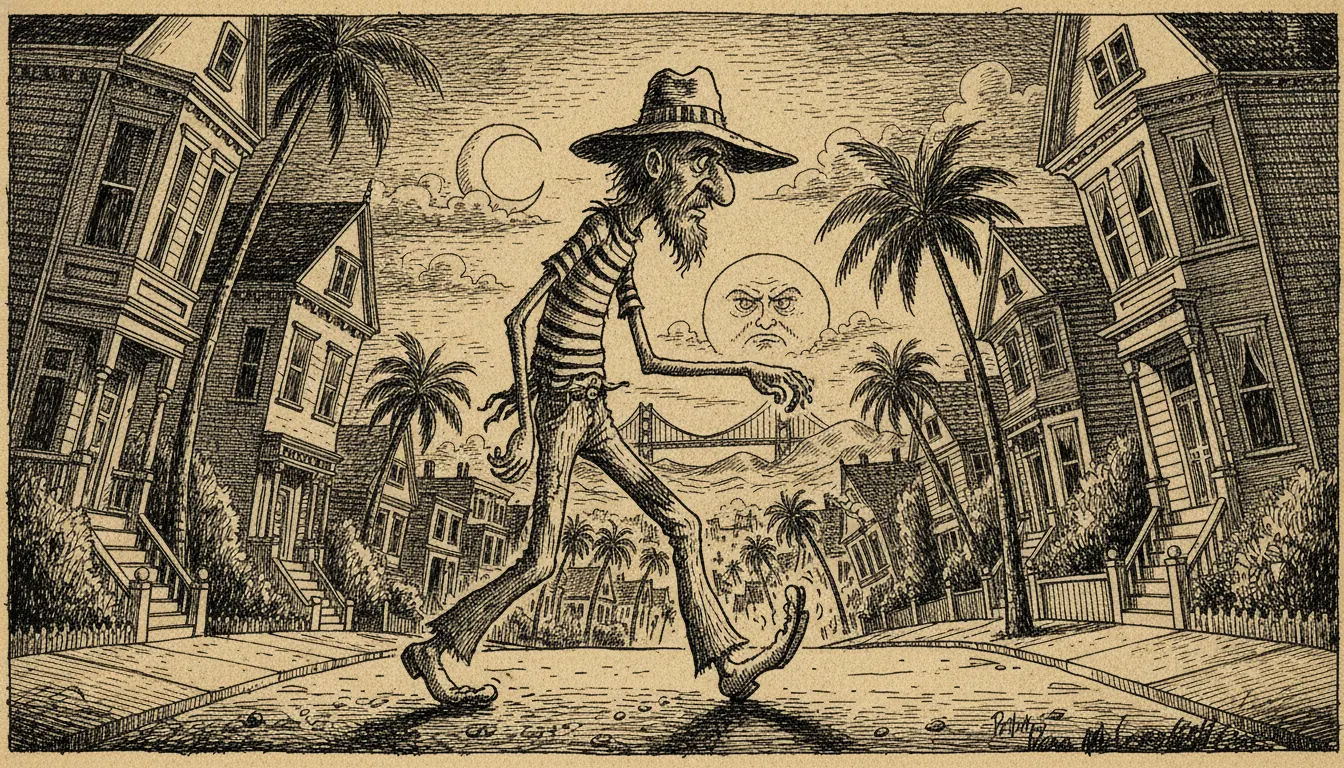
Robert Crumb Zap Comix underground. Thick scratchy crosshatched line, neurotic San-Francisco-hippie figures, Keep on Truckin big-foot stride, R Crumb signature.
crumbunderground-comixcrosshatchneurotic
LUT crumb-zap-comix-hatch
WHEN TO USE
- Adult content, editorial illustration, and cultural criticism where a confrontational, no-holds-barred graphic register is appropriate
- Music, film, or publishing projects rooted in counterculture, alternative, or underground traditions
- Brand identities for independent record labels, tattoo studios, skateboard companies, or alternative culture businesses
- Satire and political commentary content where the grotesque exaggeration is the point
- Vintage or retro campaigns referencing late 1960s and 1970s American counterculture
WHEN NOT TO USE
- Children's or family content -- the style carries adult-content associations even in non-explicit work
- Corporate, institutional, or government content where the anti-establishment aesthetic is directly counter to brand values
- Premium luxury brands where the deliberately crude grotesque style undercuts aspirational positioning
- Content for audiences unfamiliar with underground comics history, where the reference is lost and the style reads as merely weird
SIGNATURE TECHNIQUES
How the look is made.
The moves a human crew would use to get here. Cue applies them for you, and knowing their names is how you ask for a change.
- 01Dense parallel hatching and crosshatching to build tonal range and surface texture, often hundreds of lines per figure
- 02Thick, assertive outline with variable weight
- heavier on form edges, lighter on internal detail
- 03Exaggerated grotesque figure drawing
thick limbs, heavy bodies, pronounced facial expressions with oversized features
- 04All
over textural density -- even backgrounds and incidental objects receive obsessive hatching treatment
- 05Hand
lettered ALL-CAPS dialogue in speech bubbles with consistent, slightly irregular letterforms
- 06Reproduction
scale drawing: works produced at the same size as printed output, intensifying detail
- 07Visual humour through juxtaposition
spiritual or elevated concepts rendered in the most physical, low-brow bodies
HISTORY & CONTEXT
Where it comes from.
Robert Crumb: Underground Comix Thick Line
Robert Crumb (born 1943) invented the visual language of underground comix and in doing so created one of the most recognisable -- and contentious -- drawing styles in American art. His influence extends from graphic design and illustration through to fine art, and his particular combination of obsessive crosshatching, exaggerated figure drawing, and unflinching subject matter has no true precedent and no true successor.
Zap Comix and the Underground Movement
Crumb single-handedly launched the underground comix movement in 1968 when he sold copies of Zap Comix #0 from a baby carriage on Haight Street, San Francisco, with his wife Dana. Zap Comix (1968, Apex Novelties/Last Gasp) was the platform for his mature style: stories about Mr. Natural, Flakey Foont, and various sexual and social obsessions, all rendered in his characteristic thick-line, heavily-hatched manner. The Zap format -- photocopied or cheaply offset-printed, sold in head shops and directly at gigs -- established the economic model for underground publishing.
Key Characters and Works
Fritz the Cat first appeared in 1965 in the underground newspaper Help! Fritz became Crumb's first widely-known character and was adapted by Ralph Bakshi into the first X-rated animated feature film (1972), against Crumb's wishes -- leading him to kill the character in the story Fritz the Cat: Superstar (1972). Mr. Natural (first appeared 1967) -- the guru-figure exploiting his own followers -- is Crumb's most enduring creation and his self-aware commentary on counterculture mysticism. "Keep on Truckin'" (1968) -- originally a throwaway one-page strip in Zap #1 -- became the most reproduced image in underground art history.
Technique
Crumb's linework is built on obsessive parallel hatching and crosshatching that creates texture and form simultaneously. His figures are grotesque in the precise art-historical sense: exaggerated, fleshy, heavily built, with thick limbs and exaggerated sexual characteristics. He draws at his art's actual reproduction size or slightly larger with a mapping pen, accumulating thousands of individual strokes per figure.
NOTABLE WORKS
Where you have seen it.
Zap Comix #0 and #1 (1968, Apex Novelties) -- founding documents of underground comix
Mr. Natural (first appeared 1967, became Zap Comix regular) -- the exploitative guru
Keep on Truckin' (1968, Zap Comix #1) -- most reproduced image in underground art
Despair (1969, Print Mint) -- one-page Crumb solo comic
The Bible of Filth
1978
Kafka (1993, illustrated adaptation, Fantagraphics)
THE RECIPE
The exact knobs
the renderer turns.
A Look is not a filter. It is a set of stored decisions the pipeline reads before it makes a single frame, so two videos in the same Look actually match.
SettingValue
GradeColour LUT applied to every frame
crumb-zap-comix-hatchTransitionHow one shot becomes the next
hard cuts · 160ms · linearKen BurnsCamera move applied to stills
Slow push · 0.02 · centerTypographyDisplay / body / mono pairing
Special Elite · Inter · CourierMusic moodWhat the bed under the voice sounds like
country-blues-78rpm · old-jug-bandPrompt suffixAppended to every shot prompt in this Look
Robert Crumb Zap Comix underground comix, thick scratchy crosshatched line, neurotic San Francisco hippie figures, Keep on Truckin big foot stridePALETTE
Primary
#0A0A0A
Secondary
#F5F0E0
Accent
#C84A2E
Text/Light
#0A0A0A
Text/Dark
#FFFFFF
BG 900
#F5F0E0
BG 800
#E0DCC8
RELATED LOOKS
Next to it on the shelf.
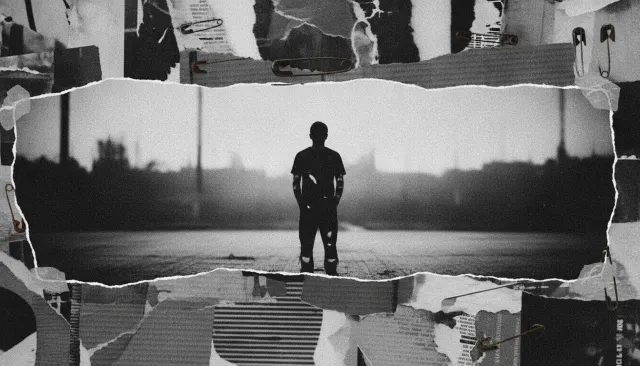 Concert Music PosterPunk Zine Photocopy Cutout
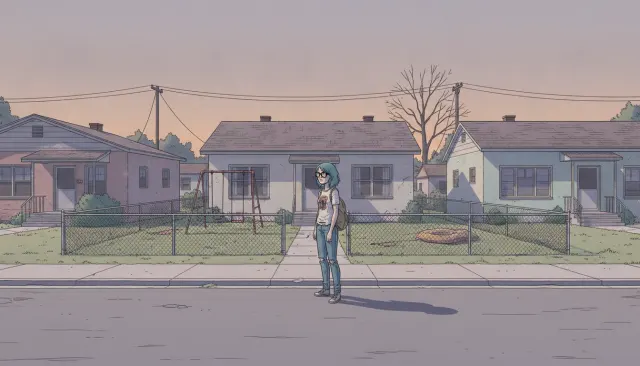 Illustrators ExtendedDaniel Clowes Deadpan Suburban Comic
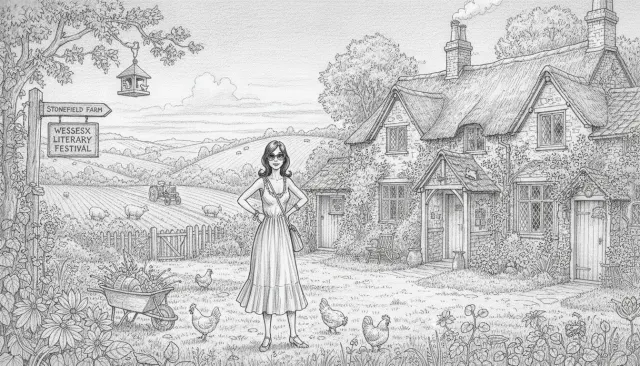 Illustrators ExtendedPosy Simmonds UK Graphic Novel
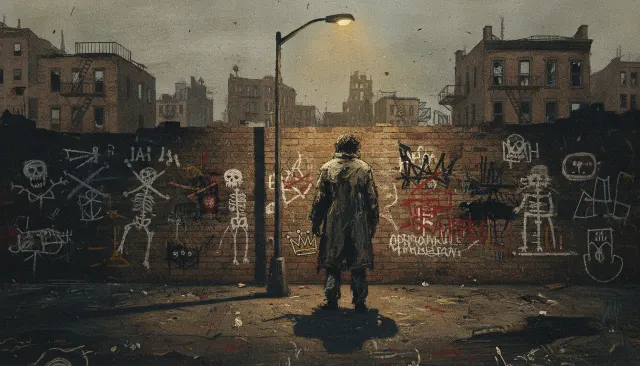 Pop And Street ArtBasquiat Graffiti Neo-Expressionism
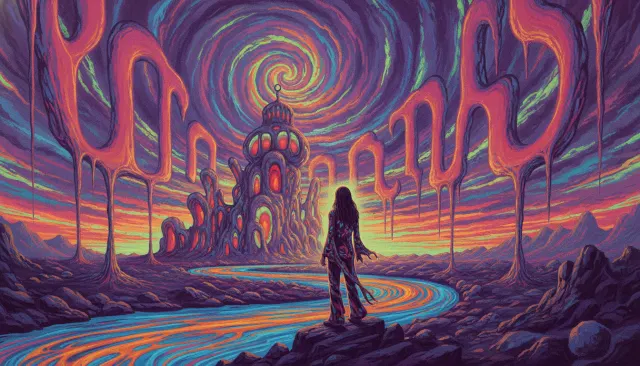 Concert Music PosterPsychedelic 60s Fillmore Poster
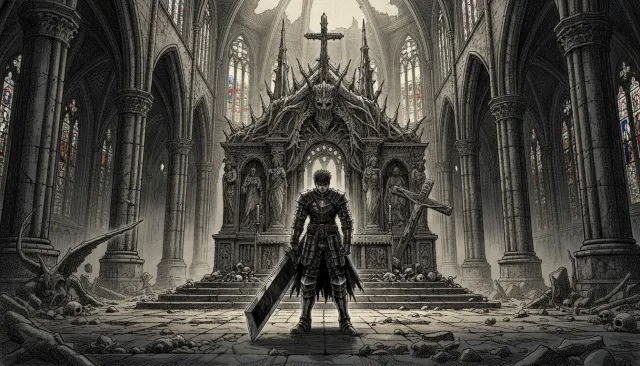 90S Manga AestheticsBerserk Dark Fantasy Ink Detail
Your first cut
is on us.
+ New videoFree plan · no card · 1080p export