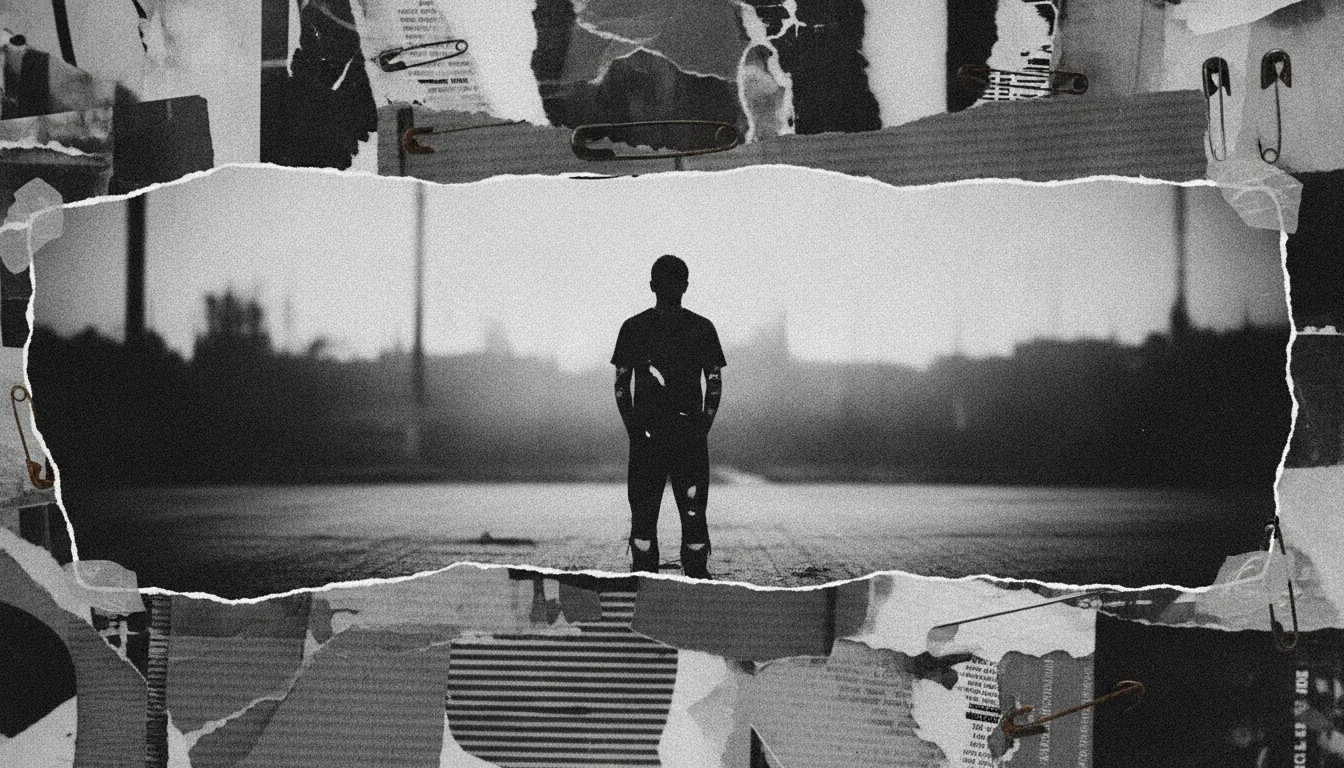
CONCERT MUSIC POSTER · 1970S · UK
Punk Zine Photocopy Cutout
Sniffin Glue punk zine photocopy aesthetic. Ransom-note cut letters, blurry xerox grain, safety-pin DIY collage, anti-design urgency.
punkzinephotocopycutout
WHEN TO USE
- Music content for punk, hardcore, post-punk, or any genre that wants an anti-establishment, DIY credibility signal
- Countercultural, activist, or protest-oriented content where the ransom-note aesthetic carries political weight
- Festival, event, or brand identities that deliberately position against polished corporate design
- Zine-culture or independent publishing content where the medium and the message are unified
- Fashion, streetwear, or youth-culture campaigns with a confrontational or anti-luxury positioning
WHEN NOT TO USE
- Corporate, luxury, or institutional content where the deliberate crudeness reads as careless rather than intentional
- Children's or family content where the aggressive visual language is inappropriate
- Accessibility-critical content where degraded type fails legibility standards
- Brands whose values are built on polish, precision, or premium craft
SIGNATURE TECHNIQUES
How the look is made.
The moves a human crew would use to get here. Cue applies them for you, and knowing their names is how you ask for a change.
- 01Ransom
note typography: letters cut from different newspapers, magazines, and typefaces and pasted together
- 02Photocopy degradation
high-contrast reproduction that bleeds darks and loses mid-tones, creating visual noise
- 03Torn, cut, and irregular page edges incorporated into the layout as design elements
- 04Hand
lettering and hand-drawn illustration mixed directly with photocopied photographic sources
- 05Rubber stamp lettering and numbering used as a mechanical alternative to typesetting
- 06Deliberate misalignment, inconsistent column widths, and uncorrected typos as authenticity markers
- 07Safety pins, scratched lines, correction fluid patches, and other physical intervention marks
HISTORY & CONTEXT
Where it comes from.
Punk Zine Photocopy Cutout
The punk zine is the most deliberately anti-aesthetic of all graphic design traditions -- a refusal of craft, a celebration of the accessible and the cheap, and a direct political statement: anyone with a photocopier and a pair of scissors can publish. From 1976 in London and New York, then spreading globally, the punk zine created a visual language that influenced graphic design, advertising, editorial illustration, and digital culture far beyond its origins.
Origins
Sniffin' Glue (UK, Mark Perry, July 1976 - August 1977) is the prototype: twelve issues photocopied from handwritten originals, with typed and hand-drawn content, staple-bound, sold at gigs for 10p. Perry's editorial in issue 1: "All you kids out there who read Sounds -- don't be satisfied with what we write. Go get a cheapo typewriter, write your own, only 50p." This democratising manifesto defined the form.
Jamie Reid's graphic work for the Sex Pistols took the ransom-note cut-and-paste lettering technique into mass commercial application: the Never Mind the Bollocks Here's the Sex Pistols cover (1977), the God Save the Queen single sleeve, and the Anarchy in the UK artwork all use newspaper-headline type cut and rearranged. Reid cited Situationist International détournement as his conceptual source.
In the United States, Slash (Los Angeles, 1977-80) and Punk (New York, 1976-79) developed parallel aesthetics. Raymond Pettibon's flyer art for Black Flag (starting 1978) -- pen-and-ink drawings with hand-lettered slogans -- represents the most artistically developed punk graphic tradition.
DIY Degradation as Aesthetic
Photocopy degradation is not a bug but a feature: high contrast, loss of mid-tones, and the visual noise of second- and third-generation copies became aesthetically coded as authentic. The same logic governs torn edges, rubber-stamp lettering, correction-fluid patches, and misaligned columns.
NOTABLE WORKS
Where you have seen it.
Jamie Reid, God Save the Queen single sleeve (1977, Sex Pistols) -- ransom-note typography on Union Jack
Jamie Reid, Never Mind the Bollocks (1977, album cover) -- day-glo ransom-note type
Raymond Pettibon, Black Flag flyers (1978-) -- pen-and-ink with hand lettering
Slash magazine (Los Angeles, 1977-80)
Punk magazine (New York, 1976-79)
THE RECIPE
The exact knobs
the renderer turns.
A Look is not a filter. It is a set of stored decisions the pipeline reads before it makes a single frame, so two videos in the same Look actually match.
SettingValue
TransitionHow one shot becomes the next
hard cuts · 160ms · linearKen BurnsCamera move applied to stills
Slow push · 0.02 · centerTypographyDisplay / body / mono pairing
Special Elite · Inter · CourierMusic moodWhat the bed under the voice sounds like
punk-rock-thrash · distortion-bassPrompt suffixAppended to every shot prompt in this Look
Sniffin Glue punk zine photocopy aesthetic, ransom-note cut letters, blurry xerox grain, safety-pin DIY collage, anti-design urgencyPALETTE
Primary
#0A0A0A
Secondary
#7A7A7A
Accent
#F5F5F5
Text/Light
#0A0A0A
Text/Dark
#FFFFFF
BG 900
#F5F5F5
BG 800
#D0D0D0
RELATED LOOKS
Next to it on the shelf.
Your first cut
is on us.
+ New videoFree plan · no card · 1080p export