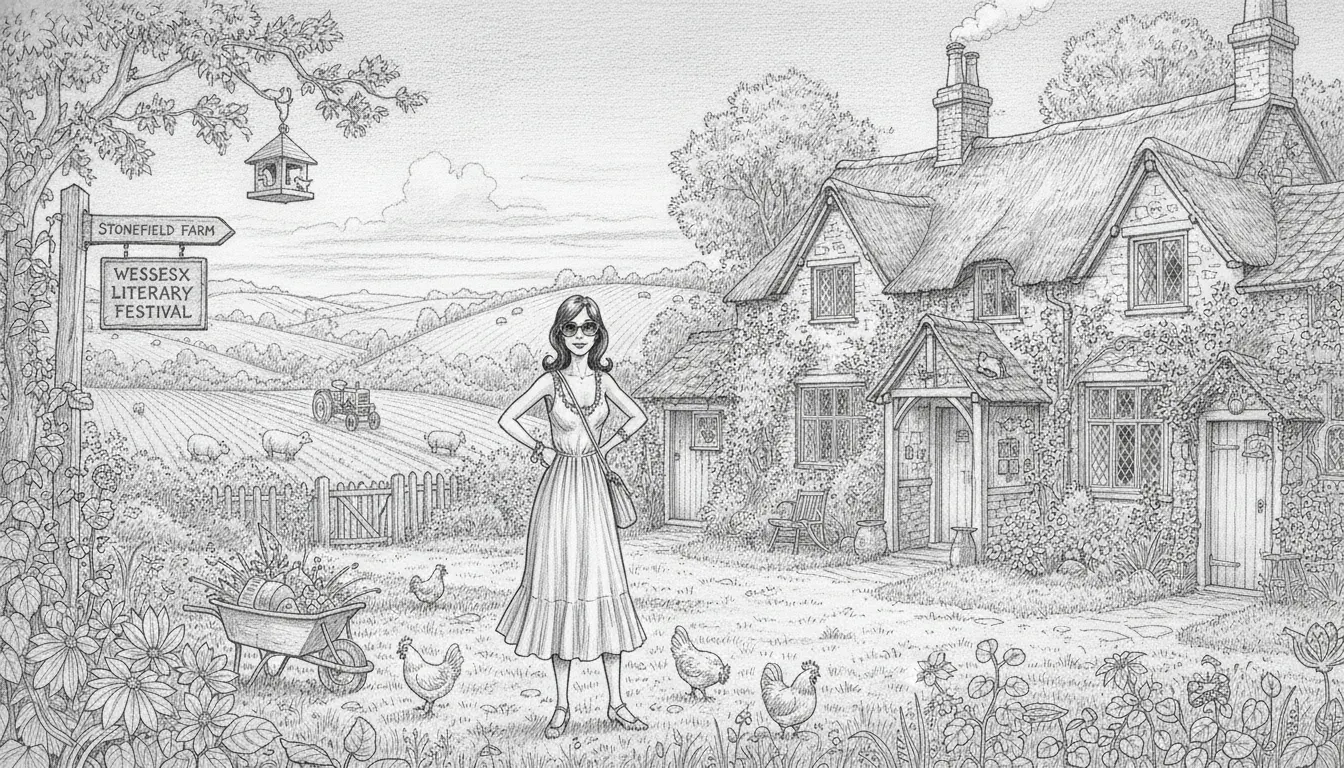
ILLUSTRATORS EXTENDED · 2000S · UK
Posy Simmonds UK Graphic Novel
Posy Simmonds Guardian and Tamara Drewe graphic novel. Fine pencil line with grey wash, intricate middle-class English satire, dense prose-with-illustration page.
simmondstamara-drewepencil-washsatire
LUT simmonds-guardian-pencil
WHEN TO USE
- Literary, editorial, or cultural content targeting educated adult audiences
- British cultural content -- countryside, class, satire, literary adaptation -- where a specifically UK graphic tone is appropriate
- Long-form editorial illustration for magazines or newspapers that need a voice carrying both wit and depth
- Adaptations of classic literary texts that want a contemporary visual parallel
- Publishers, book clubs, or literary brands building engagement with a reading audience
WHEN NOT TO USE
- Youth or youth-oriented content where the adult literary register is inaccessible
- Action, fantasy, or sci-fi content requiring dynamic visual storytelling with high kinetic energy
- Brands requiring bold graphic simplicity -- the Simmonds style rewards slow reading
- International campaigns where specifically British social satire does not translate
SIGNATURE TECHNIQUES
How the look is made.
The moves a human crew would use to get here. Cue applies them for you, and knowing their names is how you ask for a change.
- 01Fluid, controlled ink linework with confident hatching and wash for shadow and texture
- 02Page layouts mixing typeset prose passages with sequential comic panels on the same page
- 03Expressive, economical face drawing
- enormous character range from subtle eyebrow and lip adjustments
- 04Middle
distance and aerial viewpoints mixed with intimate close-ups to establish social context
- 05Colour used sparingly or in restricted palette to signal mood shifts rather than describe reality
- 06Ironic captioning
- characters' speech or thought often counterpointed by the image beneath
- 07Architectural and landscape backgrounds rendered in careful, lived-in detail (Normandy farmhouses, Dorset hills)
HISTORY & CONTEXT
Where it comes from.
Posy Simmonds: UK Graphic Novel
Posy Simmonds (born 1945) occupies a singular position in British cartooning: she bridged the gap between newspaper strip and literary graphic novel before the term "graphic novel" was in common use, and did so with a combination of social insight and draftsmanship rarely matched in British comics.
Career and Context
Simmonds began publishing in The Guardian in 1977 with The Silent Three of St Botolph's, a spoof of girls' school comics. Her long-running strip Weber's World (1979-1987) established her central subject: educated, left-leaning, middle-class British life examined with sympathy and wit. The strip mixed speech-bubble panels with densely annotated prose passages -- a hybrid form she would perfect in her long works.
Gemma Bovery (1999, serialised in The Guardian, collected by Cape) -- a transposition of Flaubert's Madame Bovary to Normandy in the 1990s -- is her first fully realised graphic novel. A Norman baker narrates the doomed English couple who move next door to him. Tamara Drewe (2007, serialised in The Guardian, adapted into a 2010 film by Stephen Frears) transposes Thomas Hardy's Far from the Madding Crowd to a present-day Dorset writers' retreat. Both works sustain irony, pathos, and literary ambition across 100-plus pages of ink.
Visual Language
Simmonds' draftsmanship is confident, fluid, and economical. Her line is controlled -- neither scratchy nor mechanical -- and she deploys crosshatching and wash to suggest both texture and mood. Her faces carry enormous expressive range through subtle shifts in eyebrow and mouth position. She moves fluidly between close-up portraiture, architectural establishing shots, and aerial overviews of English countryside. Her page layouts mix prose sections typeset in columns with comic panels, a formal strategy that forces the reader into a dual-register experience: literary novel and comic simultaneously.
NOTABLE WORKS
Where you have seen it.
True Love (1981, Cape) -- collected strip, social comedy
Gemma Bovery (1999, serialised Guardian, collected Cape) -- Flaubert transposition to Normandy
Tamara Drewe (2007, serialised Guardian, collected Cape; film 2010) -- Hardy transposition to Dorset
Mrs Weber's Diary (1979, Fontana) -- first book collection
Lulu and the Flying Babies -- children's book interlude
1988
THE RECIPE
The exact knobs
the renderer turns.
A Look is not a filter. It is a set of stored decisions the pipeline reads before it makes a single frame, so two videos in the same Look actually match.
SettingValue
GradeColour LUT applied to every frame
simmonds-guardian-pencilTransitionHow one shot becomes the next
hard cuts · 160ms · linearKen BurnsCamera move applied to stills
Slow push · 0.02 · centerTypographyDisplay / body / mono pairing
Lora · Lora · JetBrains MonoMusic moodWhat the bed under the voice sounds like
english-folk-strings · piano-pastoralPrompt suffixAppended to every shot prompt in this Look
Posy Simmonds Guardian Tamara Drewe graphic novel, fine pencil line with grey wash, intricate middle class English satire, dense prose with illustrationPALETTE
Primary
#5C5C5C
Secondary
#F5F0E0
Accent
#7A1010
Text/Light
#1A1A1A
Text/Dark
#F5F0E0
BG 900
#1A1A1A
BG 800
#2A2A2A
RELATED LOOKS
Next to it on the shelf.
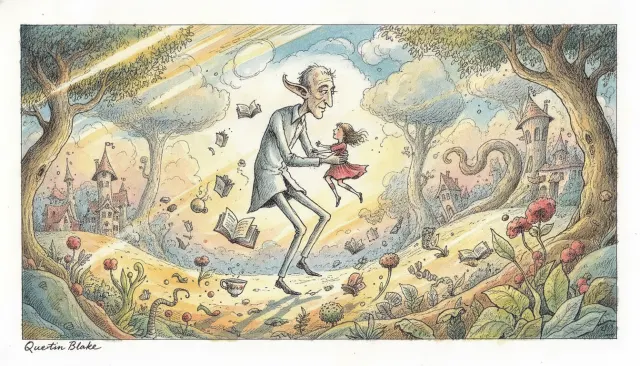 Childrens BookQuentin Blake Scratchy Line
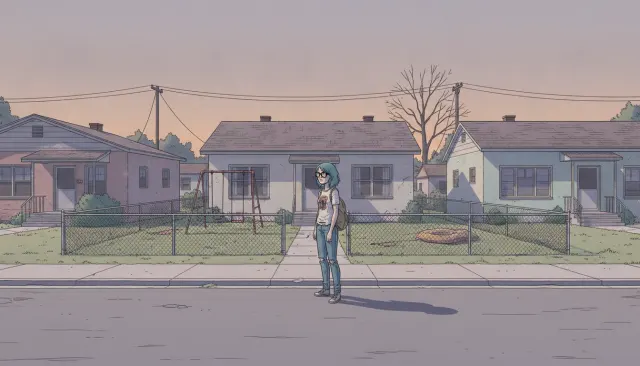 Illustrators ExtendedDaniel Clowes Deadpan Suburban Comic
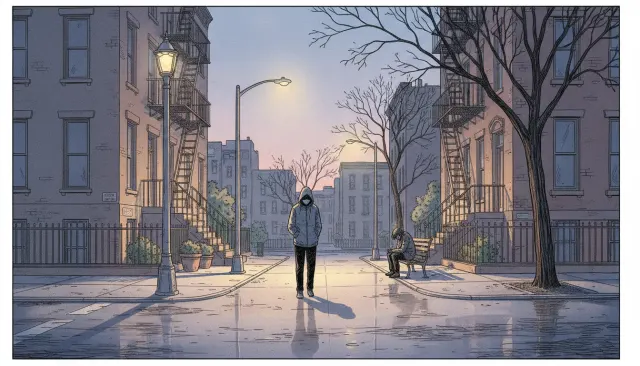 Illustrators ExtendedAdrian Tomine Clean Graphic Novel
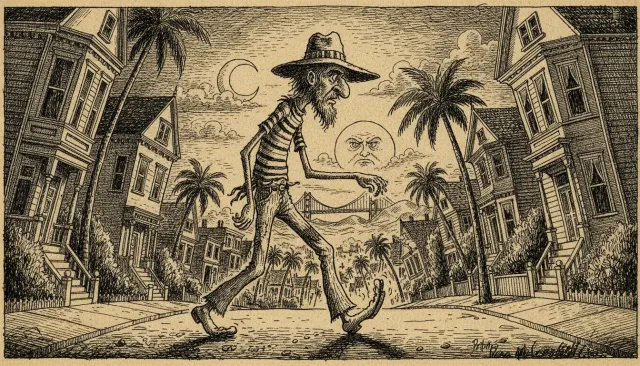 Illustrators ExtendedRobert Crumb Underground Comix Thick Line
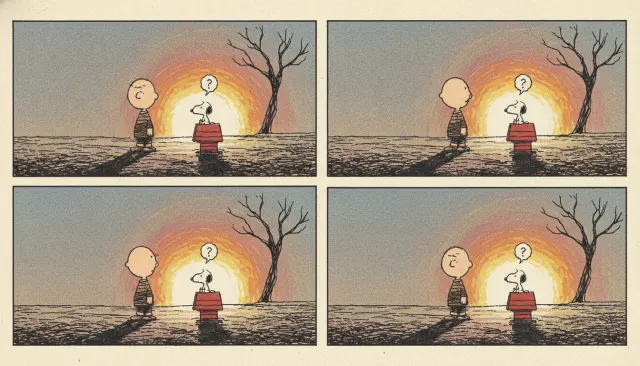 Illustrators ExtendedCharles Schulz Peanuts Minimalist Strip
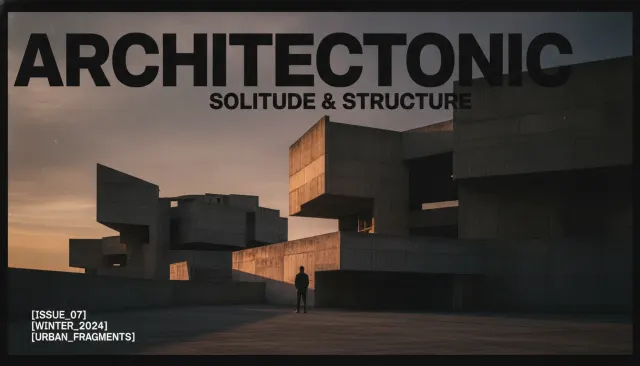 Magazine Print DesignBrutalist Magazine Cover
Your first cut
is on us.
+ New videoFree plan · no card · 1080p export