Riso Kagaku Corporation
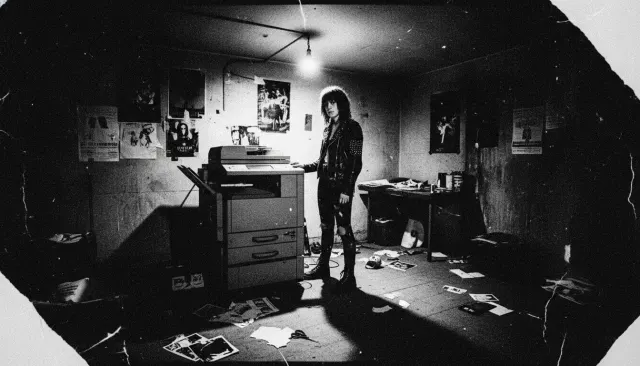
Risograph RP3700 first model (1986, Tokyo)
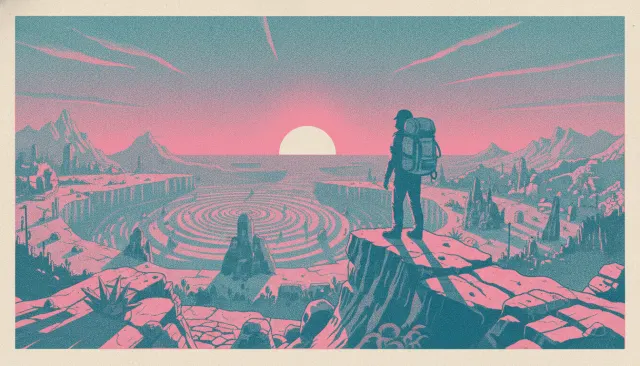
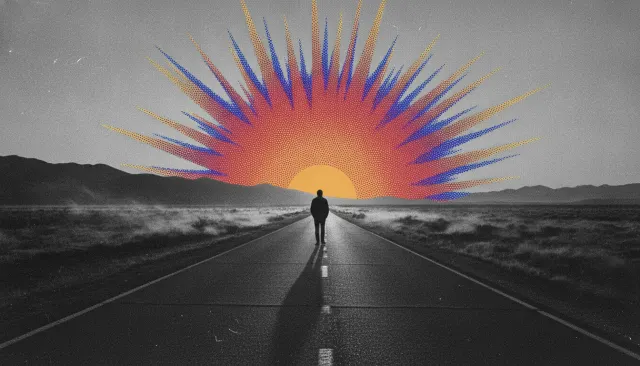
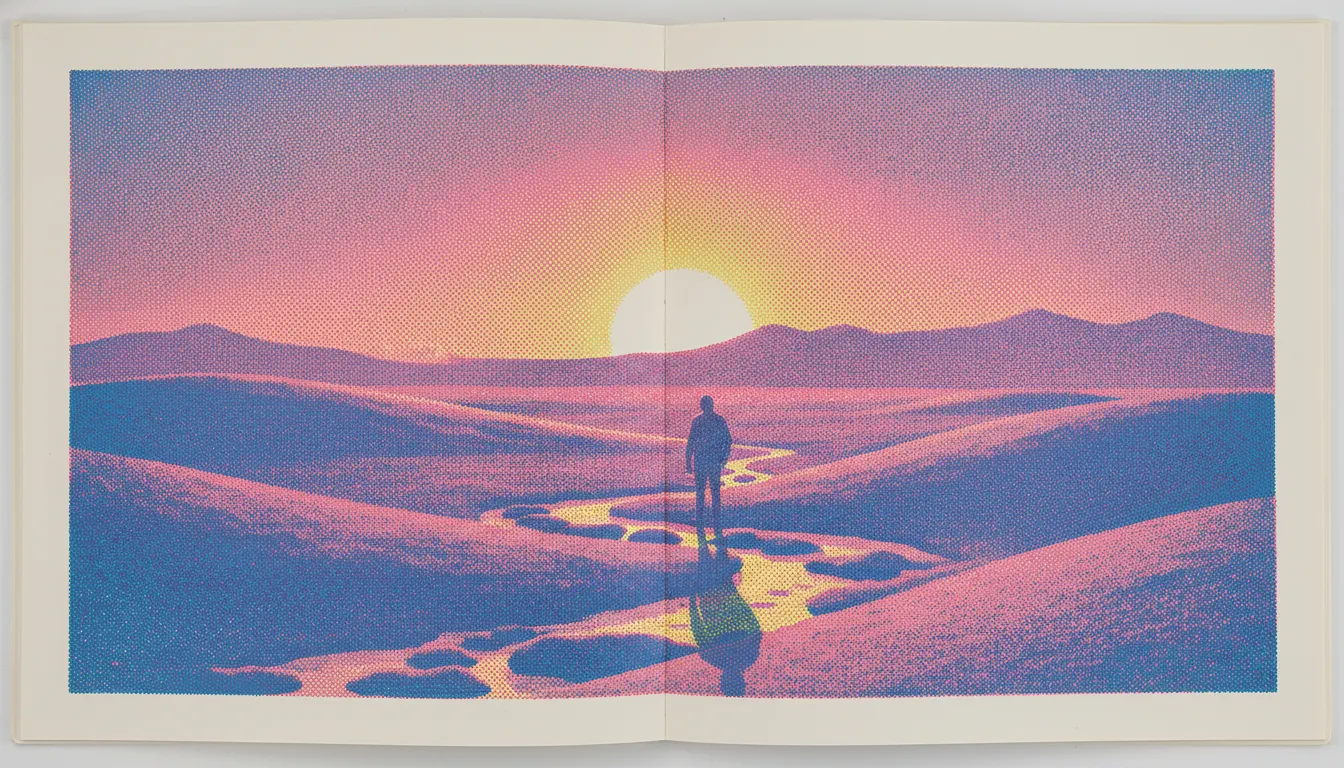
Risograph print over photograph. Limited Riso ink palette (fluorescent pink, blue, yellow), visible mis-registration, soy-ink halftone texture, contemporary art-book aesthetic.
The moves a human crew would use to get here. Cue applies them for you, and knowing their names is how you ask for a change.
color palette from Riso's specific ink range (Federal Blue + Fluorescent Pink is classic)
80 lpi, coarser than offset printing
1–4px offset between color layers creating chromatic halos
often Munken Lynx or Fedrigoni Arena Natural
areas of dense coverage show slight bleed into surrounding paper, giving soft edges
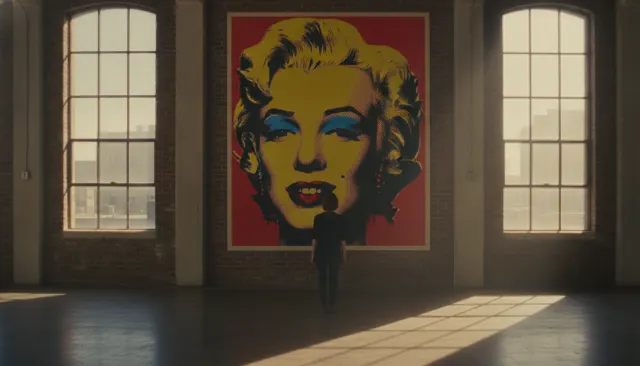
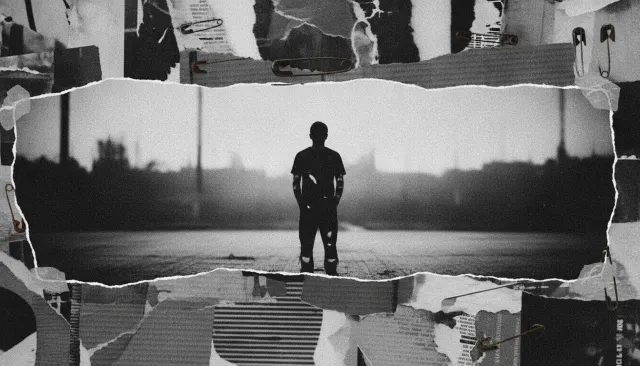
The riso print mix with photo combines photographic imagery with the visual character of Risograph printing: soy-based inks in flat, unmixed colors, halftone dot patterns, deliberate misregistration between color layers, and the slightly rough texture of uncoated paper. Where digital photography produces continuous tone and mechanical precision, Riso printing introduces controlled imprecision that makes images feel handmade, warm, and individual.
The Risograph was introduced by the Riso Kagaku Corporation in Japan in 1986 as a high-speed duplicator for office document reproduction – essentially a digital stencil duplicator using a thermal head to burn a master onto a porous drum, through which soy-based ink is pressed onto paper. It was designed for cost efficiency, not artistic expression: it prints one color per pass at speeds of 120–150 sheets per minute.
The machine's limitations became its aesthetic. Soy inks produce colors of distinctive saturation: Riso's Fluorescent Pink, Bright Red, Teal, and Federal Blue are not reproducible in CMYK offset or inkjet printing. Each ink color has a distinctive character – Federal Blue sits cool and punchy, Fluorescent Pink verges on neon, Soy-based Black dries matte rather than glossy. Halftone dots in Riso are visible at magazine reading distance, giving images an editorial poster quality reminiscent of 1950s–1960s offset lithography.
Because each color pass is a separate physical action, slight misalignment between layers is inherent. Riso printers embrace this: misregistration creates chromatic shadows and halos around photographic elements, especially at portrait edges. The photograph's precision reads through the Riso layers, but is transformed by the offset, halftone, and limited palette.
The Riso aesthetic is associated with independent publishing from the 2010s onward: small-run art books, zines, posters, and exhibition catalogs from studios like RISOTTO (Edinburgh), Colour Code (London), and Perfectly Acceptable Press (US). Graphic designers Metahaven and Experimental Jetset incorporated Riso-adjacent aesthetics into their editorial work.
The Risograph's commercial failure as an office machine freed it from functional expectations. Schools and arts organizations bought surplus machines cheaply in the late 1990s and 2000s because they were inexpensive to run. The first wave of Riso art publishing emerged from this economic accident: paper-making students, art school printing rooms, and self-publishing communities who had access to machines no serious commercial printer would use.
By 2012–2015, the Riso aesthetic had traveled from marginal accident to intentional choice. Studios spent money to simulate what had been free: careful digital emulation of Riso's halftone angles, specific ink-color matching in Pantone systems for print and in hex values for screen, and the misregistration simulation plugins developed for Adobe Photoshop and Procreate. The deliberate choice of limitation as aesthetic was fully conscious. RISOTTO Studio in Edinburgh opened specifically to provide Riso printing as an art service, charging premiums for the very qualities that had made the machine a commercial failure.
Risograph RP3700 first model (1986, Tokyo)
Edinburgh-based Riso print studio and artist publishing (2012–present)
Austin TX Riso zine and book publisher (2012–present)
*Black Transparency* (2015, Sternberg Press, Riso-influenced editorial design)
London Riso print shop, notable client collaborations (2010s–present)
*L'Oiseau de Nuit* Riso book (2014, B42 Paris)
*Risogrph Printing: Artists and Publishers* survey (2020, Gestalten)
A Look is not a filter. It is a set of stored decisions the pipeline reads before it makes a single frame, so two videos in the same Look actually match.