Bridgerton (Season 1)
Shondaland / Netflix / Jeffrey Jur · 2020
Defining the streaming prestige pastel-Regency aesthetic
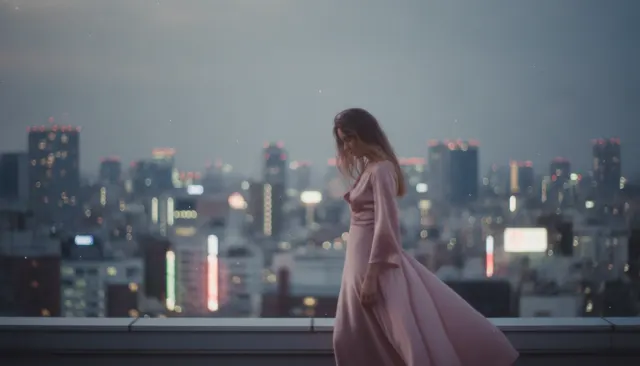
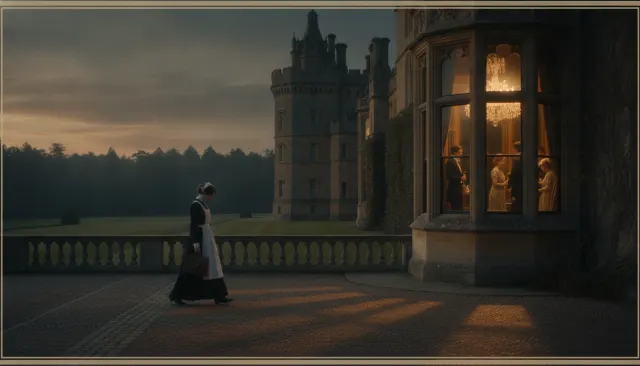
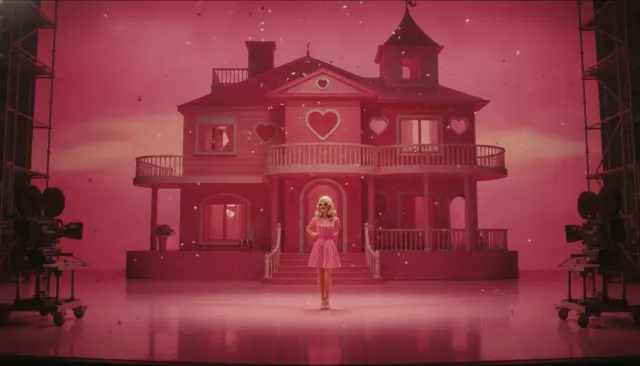
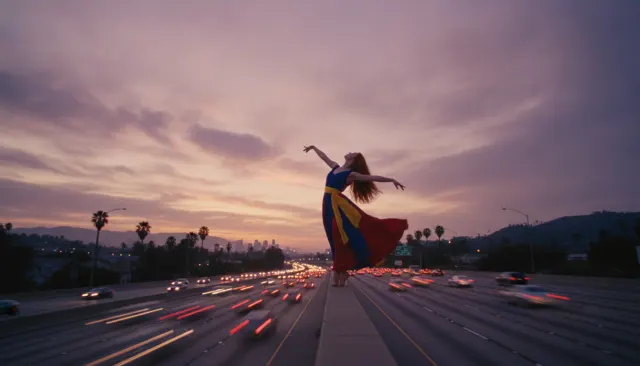
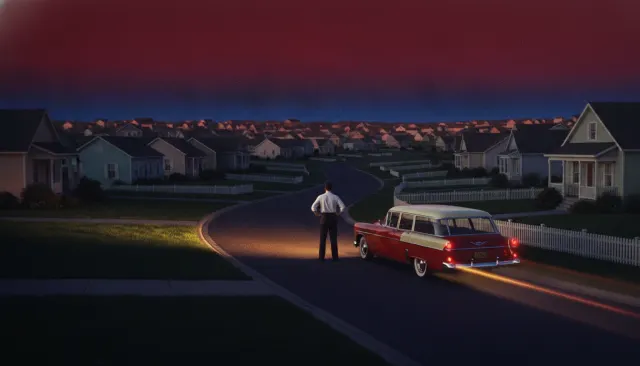
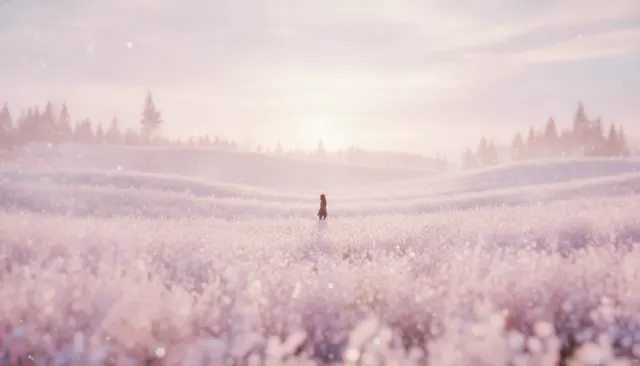
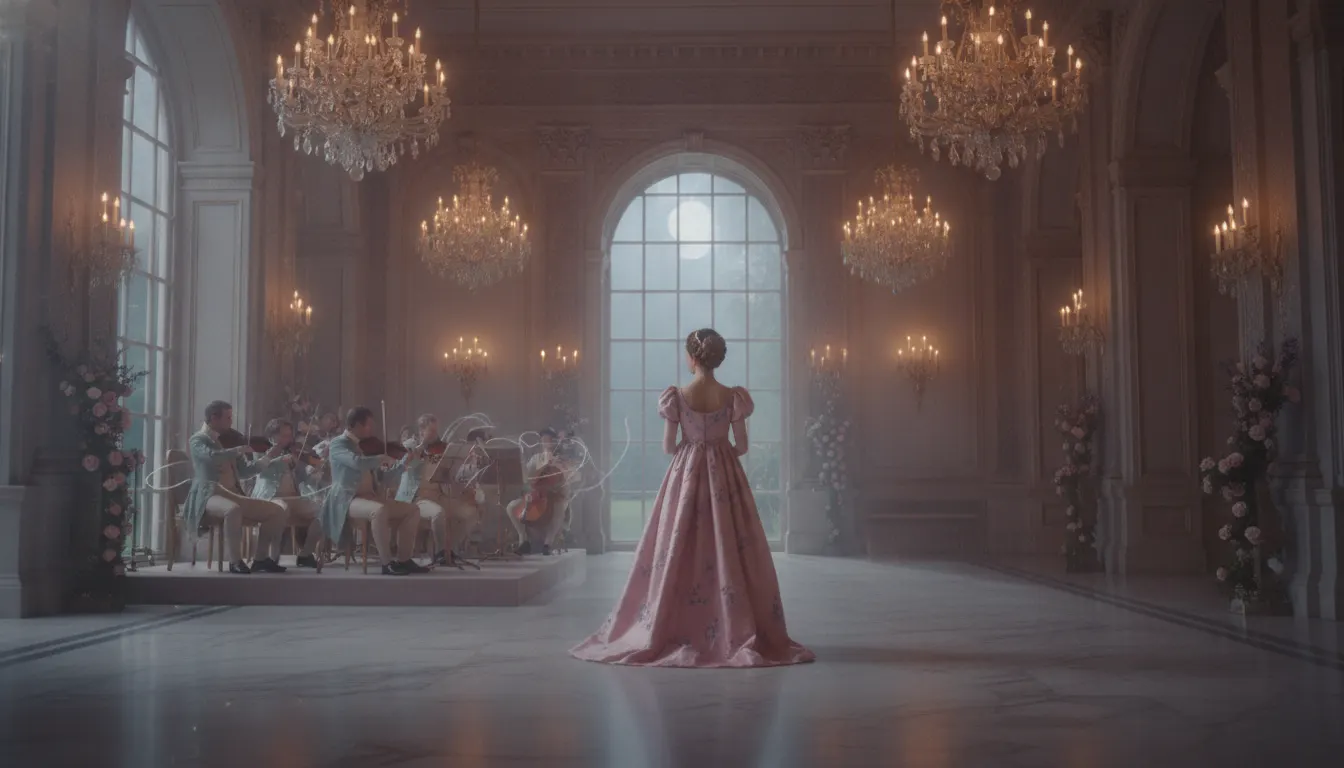
Bridgerton Regency pastel reimagining. Jeffrey Jur lavender-and-rose ballroom, candlelit chandelier soft key, empire-waist gown, modern-pop-orchestra waltz.
The moves a human crew would use to get here. Cue applies them for you, and knowing their names is how you ask for a change.
Powder pinks, lavenders, sage greens, and champagne golds built into costume and production design before the camera rolls.
Bounced sources eliminate hard shadows, creating the impression of perpetual soft candlelight regardless of actual shooting conditions.
Social gathering sequences use continuous Steadicam or crane moves to capture the chromatic spectacle of period costume.
Outdoor scenes favour late afternoon or early morning golden light to maintain the warm, aspirational colour temperature.
Selective focus softens backgrounds into pastel colour fields while keeping principal faces in crisp detail.
Modern music, diverse casting, and contemporary emotional directness are embedded in the visual grammar without apology.
The Regency Bridgerton pastel aesthetic emerged as a defining visual language of prestige streaming television in the early 2020s, crystallised by Netflix's Bridgerton (2020-present), produced by Shonda Rhimes and shot primarily by Jeffrey Jur and later Christophe Lautrette. The look synthesises early-nineteenth-century Regency period design with a consciously contemporary, inclusive sensibility, producing a fantasy version of Georgian England saturated in powder pinks, lavender, sage green, and champagne gold.
Genuine Regency-era visual culture - Gainsborough portraits, Austen-adjacent watercolours, the soft-box clarity of pre-Victorian domestic painting - informs the palette, but Bridgerton deliberately heightens and modernises it. The show's production designer Will Hughes-Jones drew on the actual Regency colour vocabulary while increasing saturation to television-friendly levels and removing the grime and austerity the period historically involved.
This approach descends from a lineage of pastel-forward period pieces: Sofia Coppola's Marie Antoinette (2006) used candy-bright anachronism as emotional commentary, and Pride & Prejudice (2005) with Roman Osin's cinematography established warm, golden-hour naturalism as the default period-romance grammar. Bridgerton goes further, embracing the confectionery quality as an explicit statement about whose story is being centred.
The lighting approach relies heavily on bounced and diffused sources to create the soft, even illumination associated with candlelit interiors reimagined through a modern lens. Hard shadows are minimised; everything is kissed by warmth. Costume and production design carry much of the colour work, with cinematographers serving the palette established by the design team.
Ball sequences deploy sweeping crane and Steadicam moves through rooms packed with colour - gowns in coral, sage, and blush interacting with candlelit chandeliers. These sequences use a controlled but present depth of field, keeping the social spectacle in frame while directing attention to central characters.
The look has become a shorthand for inclusive period romance, aspirational domestic fantasy, and "cottagecore-adjacent" content. It influenced wedding photography aesthetics, lifestyle brand campaigns, and a generation of social-media-driven content creators seeking the emotional warmth of period romance without historical accuracy's constraints.
Shondaland / Netflix / Jeffrey Jur · 2020
Defining the streaming prestige pastel-Regency aesthetic
Shondaland / Netflix · 2022
Extended palette with deeper saffron and emerald accents
Sofia Coppola / Lance Acord · 2006
Proto-pastel anachronistic period candy - direct predecessor
Joe Wright / Roman Osin · 2005
Warm golden-hour naturalism as period romance grammar
Autumn de Wilde / Christopher Blauvelt · 2020
Brighter, more saturated Regency palette as art-house comedy
ITV / Various · 2019
Softer, more restrained Regency coastal palette
A Look is not a filter. It is a set of stored decisions the pipeline reads before it makes a single frame, so two videos in the same Look actually match.