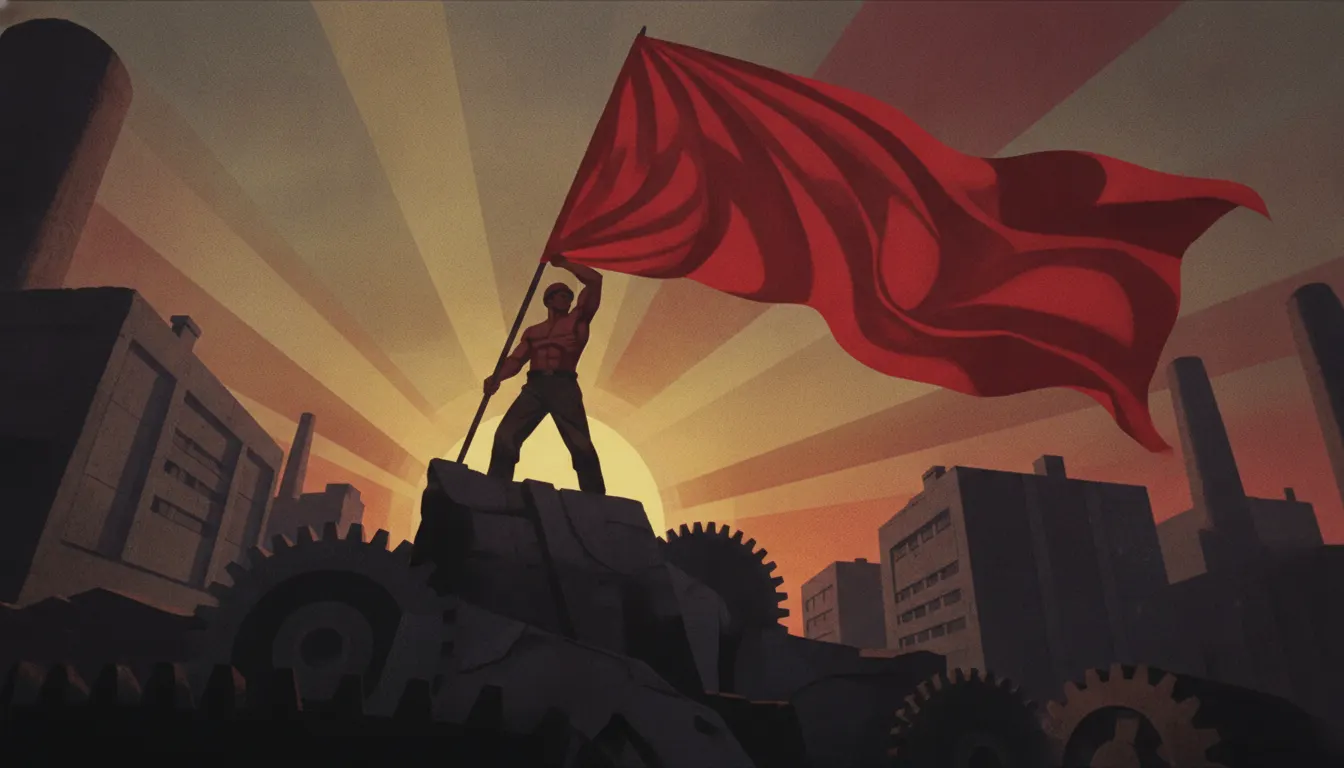
PHOTOJOURNALISM · 1930S · INTERNATIONAL
Propaganda Poster Soviet Photo
Soviet socialist-realist propaganda photo. Heroic-angle worker, red flag dominant, Rodchenko constructivist composition, low-angle hero shot.
propagandasovietheroicconstructivist
LUT propaganda-soviet-red
WHEN TO USE
- Politically engaged content or campaigns invoking collectivism, labor rights, or social movements
- Satirical or commentary content about authoritarian aesthetics or propaganda mechanisms
- Brand content for heritage or craft brands invoking early 20th century industrial or workers' aesthetic
- Historical documentary content about the Soviet Union, Cold War, or Constructivist art movement
- Art direction using extreme geometric composition and high contrast monochrome as deliberate style
- Music or cultural content for artists whose work references revolutionary or political-art traditions
WHEN NOT TO USE
- Content with genuine aspirations toward state or political propaganda - the ethical problems are obvious
- Commercial content for contemporary brands where authoritarian visual associations conflict with values
- Warm, intimate, or personal content contexts where the monumental public rhetoric is tonally wrong
- Content for audiences who may have direct personal history with Soviet-era political repression
- Fashion, beauty, or lifestyle content where the heavy industrial aesthetic conflicts with softness
SIGNATURE TECHNIQUES
How the look is made.
The moves a human crew would use to get here. Cue applies them for you, and knowing their names is how you ask for a change.
- 01Extreme low angle (worm's
eye view): camera at knee height or below, subject towering against sky
- 02High contrast black and white printing
shadows crushed to dense black, highlights bright white
- 03Geometric diagonal composition derived from Constructivist design: diagonals, triangles, radiating lines
- 04Heroic upward gaze
subjects look into middle distance above the frame with determined expression
- 05Industrial or architectural background elements
factory smokestacks, turbines, wheat fields, scaffolding
- 06Tight cropping creating monumental scale effect from ordinary subjects
- 07Red or bold single
color accent in color versions referencing poster design tradition
HISTORY & CONTEXT
Where it comes from.
Soviet Propaganda Poster Photo
Soviet photographic propaganda between the October Revolution (1917) and Stalin's death (1953) represents one of the most studied and visually influential bodies of political photography in history. Drawing on Constructivist design principles developed in the early 1920s, Soviet photographers produced images that were simultaneously art-photography, political communication, and state documentation.
Alexander Rodchenko and Constructivism
Alexander Rodchenko (1891-1956) is the central figure in Soviet propaganda photography's aesthetic development. Trained as a painter in the Constructivist movement - which prioritized diagonal lines, geometric composition, and the elimination of bourgeois decorative values - Rodchenko brought these principles to photography beginning in 1924. His most famous photograph, Assembler of the Factory 'Red Banner' (Varvara Stepanova, his partner, photographed from directly below, 1928), exemplifies the radical low-angle technique: the face fills the frame from a worm's-eye view, creating a heroic monumentality unavailable in conventional eye-level portraiture.
The Visual Rhetoric of Heroism
Soviet propaganda photography systematized Rodchenko's innovations into a grammar of heroism. Extreme low angles (camera placed below waist height looking up at the subject) created monumental scale. Workers, soldiers, and collective farm laborers were photographed with squinting determination against dramatic sky backgrounds. Industrial subjects (tractors, turbines, factory smokestacks) were abstracted into geometric forms through tight framing and high contrast printing. The human figure was made simultaneously individual and representative of collective aspiration.
Technical Approach
Soviet photographers used Leica 35mm cameras (widely available after 1925) for reportage and larger format cameras for composed propaganda work. High contrast printing on glossy silver gelatin paper was standard. Dodge and burn techniques (and later, assembly darkroom composites of multiple negatives) were used extensively - a practice formalized by Soviet editors who retouched political enemies out of historic photographs as purges removed them from official history.
Influence on Contemporary Design
Constructivist photography directly influenced graphic design, advertising, and political poster art globally. It remains one of the most referenced visual traditions in politically engaged contemporary art and design.
NOTABLE WORKS
Where you have seen it.
Alexander Rodchenko, Pioneer with a Bugle, 1930
Georgi Zelma, Soviet collective farm photography, 1930s
Yevgeny Khaldei, Raising a Flag over the Reichstag, Berlin, May 1945
Dmitri Baltermants, Attack (WWII Soviet combat photography), 1941
Arkady Shaikhet, A Day in the Life of a Moscow Worker family (magazine reportage), 1931
Gustav Klutsis, photo-montage propaganda posters, 1930s
THE RECIPE
The exact knobs
the renderer turns.
A Look is not a filter. It is a set of stored decisions the pipeline reads before it makes a single frame, so two videos in the same Look actually match.
SettingValue
GradeColour LUT applied to every frame
propaganda-soviet-redTransitionHow one shot becomes the next
hard cuts · 180ms · linearKen BurnsCamera move applied to stills
Slow push · 0.03 · rule-of-thirdsTypographyDisplay / body / mono pairing
Archivo · Inter · CourierMusic moodWhat the bed under the voice sounds like
soviet-anthem-brass · orchestral-marchPrompt suffixAppended to every shot prompt in this Look
Soviet socialist realist propaganda photo, heroic angle worker, red flag dominant, Rodchenko constructivist low angle heroPALETTE
Primary
#9A1B2E
Secondary
#1A1A1A
Accent
#F5C144
Text/Light
#1F0510
Text/Dark
#FBE5C0
BG 900
#0F0508
BG 800
#1F0810
RELATED LOOKS
Next to it on the shelf.
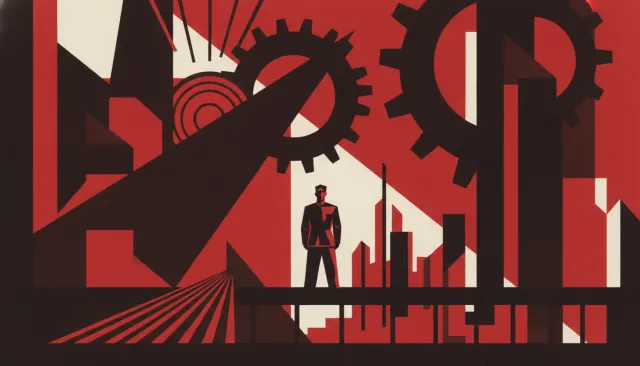 Art Movement ModernConstructivism Russian Rodchenko
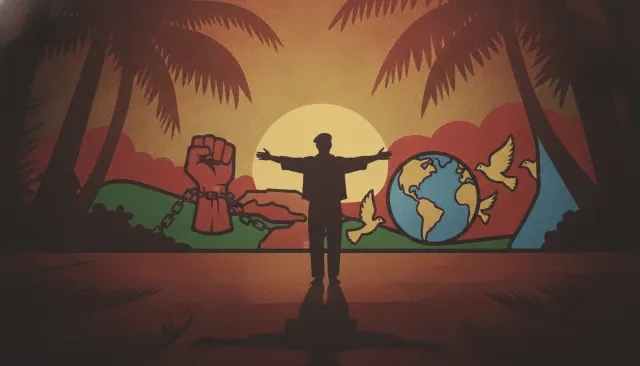 Propaganda Political PosterCuban Political Poster
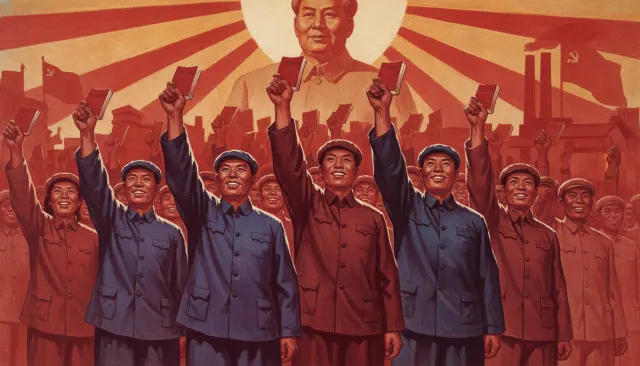 Propaganda Political PosterChinese Cultural Revolution Poster
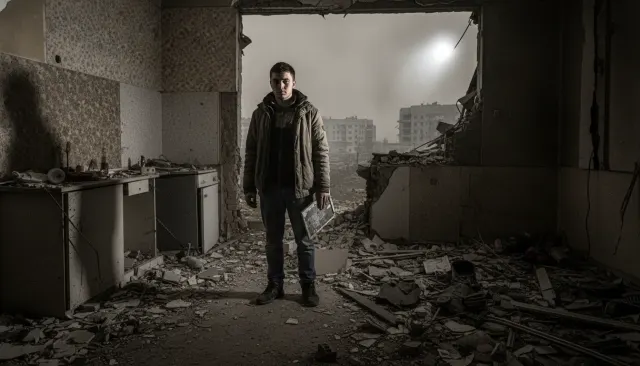 Genres ExtendedConflict Zone Photojournalism Color
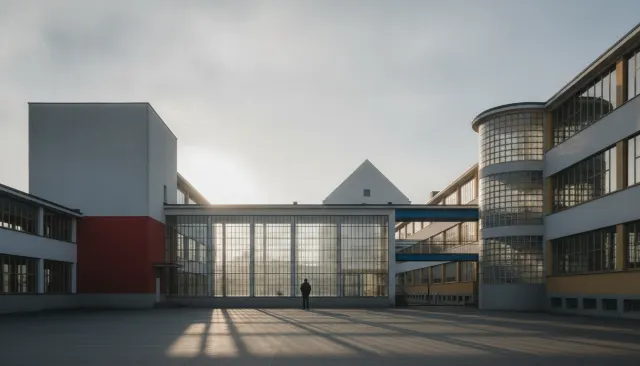 Art Movement ModernBauhaus Modernist
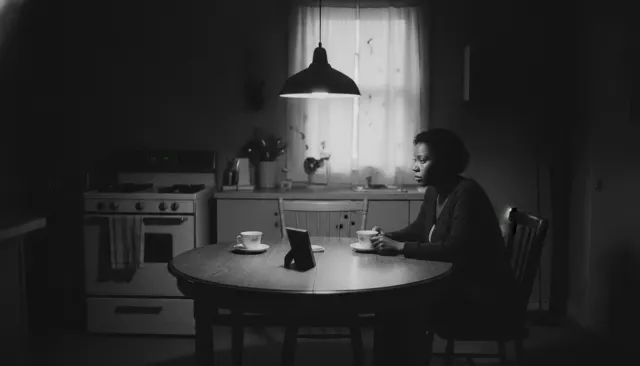 Photographers Color ModernCarrie Mae Weems Narrative BW
Your first cut
is on us.
+ New videoFree plan · no card · 1080p export