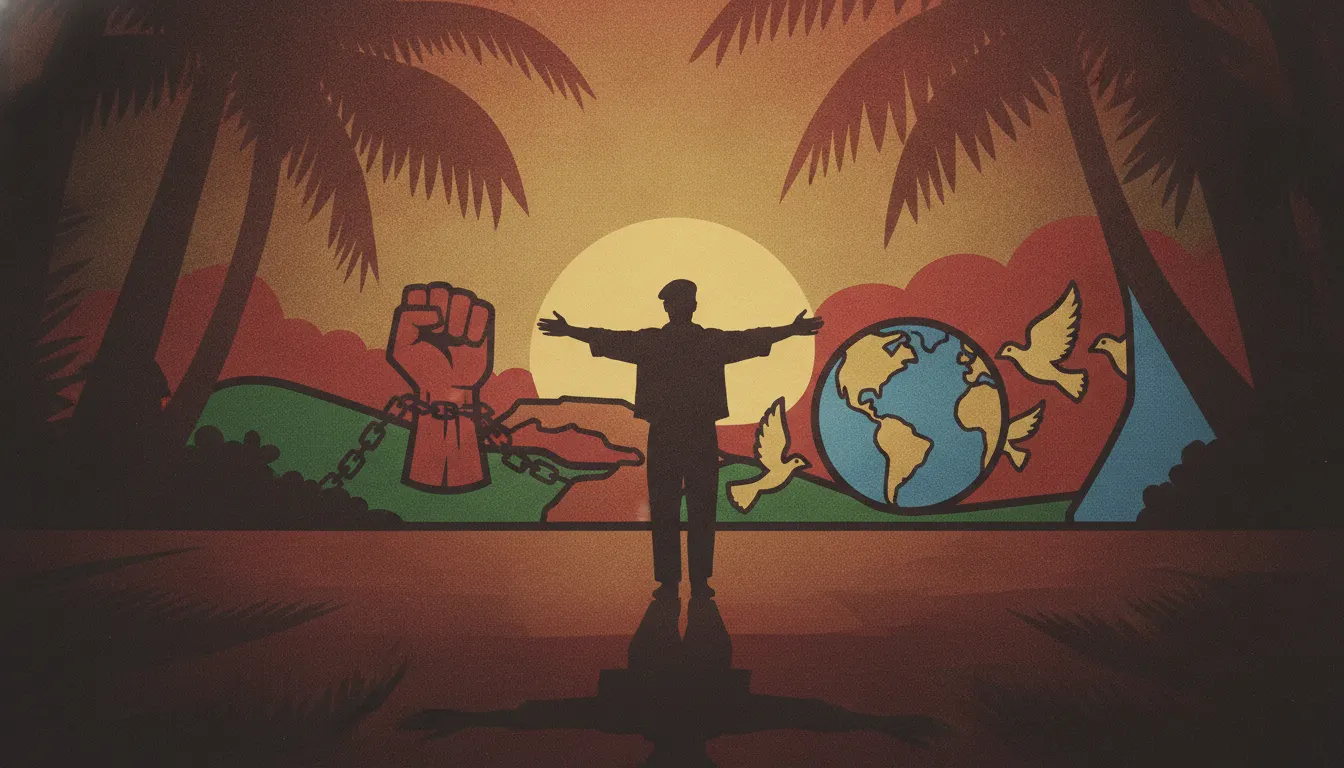
OSPAAAL solidarity poster series
various designers (1966-1990s)
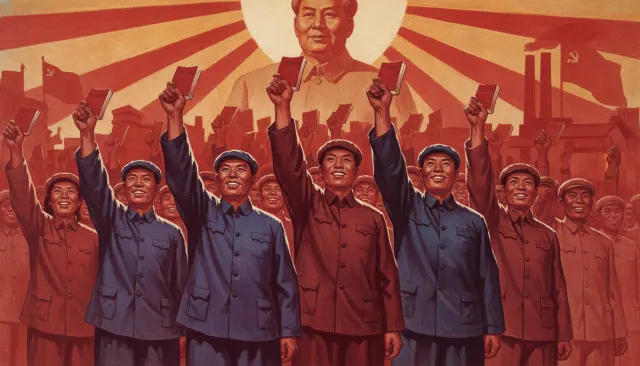
Cuban OSPAAAL political poster. Felix Beltran and Rene Mederos silkscreen, tropical palette, anti-imperialist iconography, bold flat solidarity.
The moves a human crew would use to get here. Cue applies them for you, and knowing their names is how you ask for a change.
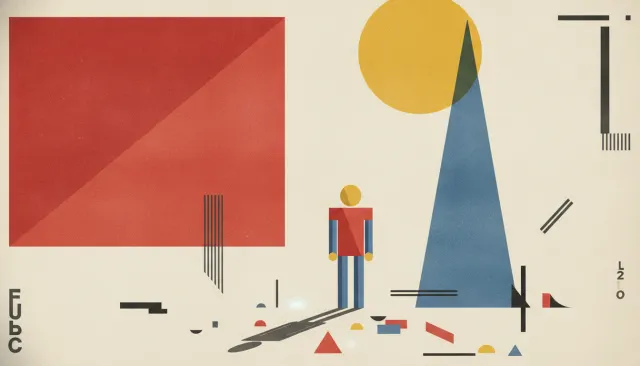
contrast silk-screen palette: often three to five bold flat colors with no gradients
raised fists, maps, faces in profile, weapons as objects
lettered or brush-script title typography combined with printed body text
deep red, golden yellow, olive green, black, white
images assembled from multiple sources within a unified flat field
Cuban political poster art from 1966 onward is one of the most formally accomplished bodies of political graphic design in the 20th century, distinguished from Soviet propaganda by its embrace of modernist and surrealist visual languages, its vibrant palette, and the extraordinary latitude given to individual designers working within ideological constraints.
The Organisation of Solidarity with the Peoples of Africa, Asia and Latin America (OSPAAAL) was founded in Havana in 1966. From its first year, it produced a series of color poster inserts included in the magazine Tricontinental and distributed worldwide. These posters declared solidarity with liberation movements in Vietnam, Mozambique, Angola, Palestine, and dozens of other countries. They were designed by Cuba's most talented graphic artists and printed in silk-screen four-color runs that allowed rich, saturated colors.
The OSPAAAL posters were remarkable for their visual sophistication. While Soviet and Chinese propaganda of the same period used heroic realism, the Cuban designers synthesized Art Nouveau line quality, constructivist geometry, psychedelic color, and Pop Art flatness into something entirely their own. Designer Félix Beltrán created a system of bold symbolic forms - fists, maps, silhouetted figures - combined with dynamic typography. Elena Serrano's 1967 poster for Che Guevara's death remains a canonical example: a map of Latin America erupting into a star form that references the revolutionary guerrilla's actual guerrilla activity.
The Cuban Institute of Cinematographic Art and Industry (ICAIC) ran parallel to OSPAAAL, with designers including Eduardo Muñoz Bachs creating film posters that had no precedent in international cinema graphics. Working in limited print runs with silk-screen and offset, Bachs, René Azcuy, and Antonio Fernández Reboiro developed distinctive styles combining hand-lettering, photographic montage, and illustration that reflected both the film's content and a distinctly Cuban visual sensibility.
The Cuban poster tradition influenced international poster design from the 1970s through to contemporary political graphic design. Artists associated with the Chicano movement - including Rupert García and the Royal Chicano Air Force - drew on Cuban visual models for their own political work in the United States.
various designers (1966-1990s)
Elena Serrano (1968, following Che Guevara's death)
Eduardo Muñoz Bachs (1960s-1980s)
Félix Beltrán and others (1967-1990s)
OSPAAAL official poster (October 8, 1968)
2003
A Look is not a filter. It is a set of stored decisions the pipeline reads before it makes a single frame, so two videos in the same Look actually match.