ART MOVEMENT EXTENDED · 1970S · USA
Photorealism Chuck Close Portrait
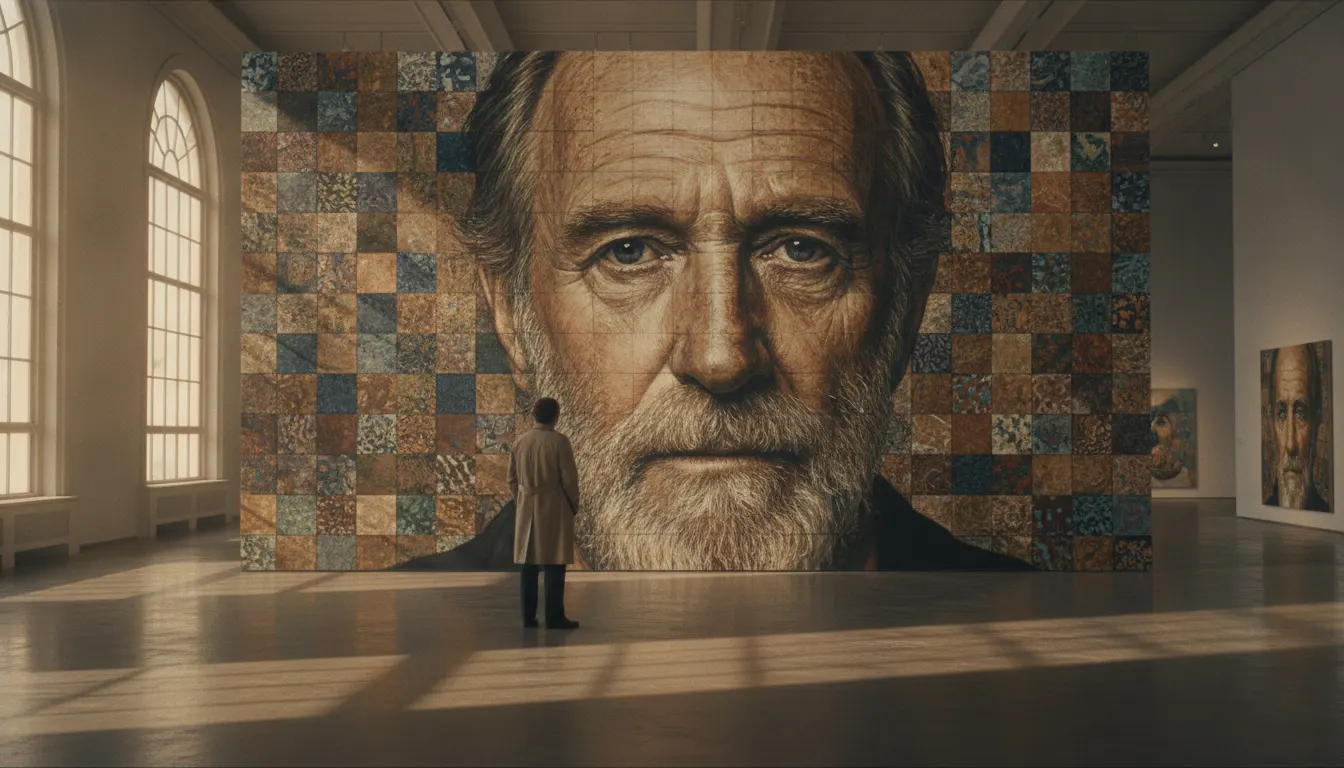
Chuck Close Photorealism portrait. Monumental grid-built face, airbrush or acrylic-on-canvas hyper-detail, every pore rendered, 1970s gallery scale.
photorealismchuck-closeportraithyperdetail
LUT photorealism-gallery-grey
WHEN TO USE
- Documentary or profile content about visual artists, musicians, or cultural figures where a monumental portrait register is appropriate
- Brand campaigns for luxury, art, or prestige clients where hyper-detailed craftsmanship signals value
- Title sequences or key-art for biographical films and series
- Editorial illustration requiring a photographic-yet-painterly gravitas
- Gallery, museum, or art-world promotional content
WHEN NOT TO USE
- Fast-moving, high-energy content -- sports, events, viral social -- where the meditative stillness reads as slow
- Youth or streetwear brands where the academic fine-art register distances rather than connects
- Content requiring multiple subjects or narrative action; the style works best on a single face
- Low-budget productions where the hyper-detail cannot be executed credibly
SIGNATURE TECHNIQUES
How the look is made.
The moves a human crew would use to get here. Cue applies them for you, and knowing their names is how you ask for a change.
- 01Grid transfer from photographic source, with each cell rendered individually
- 02Monumental scale
- works typically range from 6 to 9 feet; the face fills the entire canvas
- 03Strict frontality
subjects photographed straight on, neutral expression, often against neutral ground
- 04Early works
airbrush, graphite, or oil with invisible brushwork simulating photographic detail
- 05Late works
visible gestural brushmarks within grid cells -- fingerprints, ovals, diamonds -- that pixelate into likeness at distance
- 06Limited palette in early black
and-white works; expanded to full colour in 1970s with mezzotint and pulp-paper works
- 07Shallow depth of field simulated in paint
sharp focus at the bridge of the nose, softening toward ears and hairline
HISTORY & CONTEXT
Where it comes from.
Photorealism: Chuck Close Portrait
Chuck Close (1940-2021) occupies a singular position in American painting: a photorealist who made portraiture the exclusive and lifelong subject of his inquiry, and who radically transformed his method mid-career without abandoning his subject. His work asks a deceptively simple question: what does it mean to render a face?
The Photorealist Phase (1967-1980s)
Close began his monumental photorealist portraits in 1967 with Big Self-Portrait -- a nine-foot-tall black-and-white painting of his own face derived from a photograph, transferred to canvas using a grid. The grid was Close's signature tool: he divided the photographic source into small squares and rendered each square individually in paint, accumulating hyper-precise detail that from close range dissolves into abstraction and from a distance resolves into a photographic likeness. Phil (1969, Walker Art Center) -- a 9 x 7-foot frontal portrait of composer Philip Glass -- exemplifies the early method: airbrushed acrylic over ruled graphite grid, with every pore and stray hair documented.
Post-Paralysis Method (1988-2021)
In 1988 a spinal artery collapse left Close largely paralysed. He resumed painting with a brush strapped to his wrist, which forced a new approach: rather than hyper-precise simulation, he developed a system of distinctive oval, diamond, and finger-print shaped brushmarks -- each cell in the grid now a miniature abstract painting. Works like Lucas (1986-87) and the series of self-portraits from the 1990s demonstrate how this late method reads as pixelation at close range and as coherent face at a distance. The grid becomes visible and celebrated rather than concealed.
Legacy
Close's work sits at the intersection of photorealism, conceptualism, and portraiture. His sitters -- Philip Glass, Alex Katz, Cindy Sherman, Richard Serra, Kara Walker -- read as a cross-section of New York intellectual and artistic life from 1967 to 2020.
NOTABLE WORKS
Where you have seen it.
Phil -- Philip Glass, 9x7 feet; Walker Art Center
1969
Keith -- Keith Hollingsworth; Museum of Modern Art
1970
Mark (1978-79) -- color airbrush; St. Louis Art Museum
Self-Portrait -- post-paralysis grid-cell method; MOMA
1997
Lucas (1986-87) -- transitional work; Art Institute of Chicago
THE RECIPE
The exact knobs
the renderer turns.
A Look is not a filter. It is a set of stored decisions the pipeline reads before it makes a single frame, so two videos in the same Look actually match.
SettingValue
GradeColour LUT applied to every frame
photorealism-gallery-greyTransitionHow one shot becomes the next
hard cuts · 160ms · linearKen BurnsCamera move applied to stills
Slow push · 0.02 · centerTypographyDisplay / body / mono pairing
Helvetica Neue · Inter · JetBrains MonoMusic moodWhat the bed under the voice sounds like
minimalist-glass · ambient-portraitPrompt suffixAppended to every shot prompt in this Look
Chuck Close Photorealism portrait painting, monumental grid built face, airbrush acrylic hyper detail, every pore rendered, 1970s gallery scalePALETTE
Primary
#5C5C5C
Secondary
#3A3A3A
Accent
#D4A574
Text/Light
#0A0A0A
Text/Dark
#F5F5F5
BG 900
#1A1A1A
BG 800
#2A2A2A
RELATED LOOKS
Next to it on the shelf.
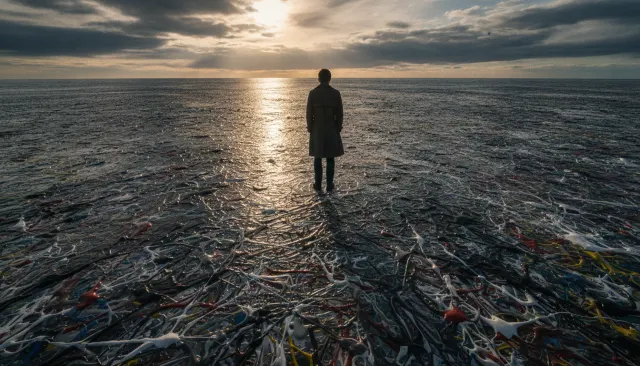 Art Movement ModernAbstract Expressionism Pollock
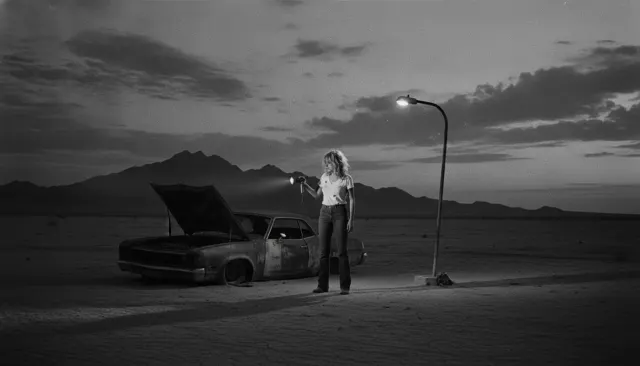 Photographers Fine ArtCindy Sherman Conceptual Portraiture
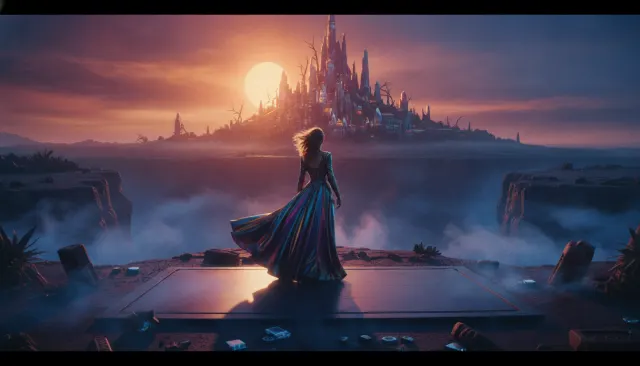 Fashion EditorialAnnie Leibovitz Celebrity Portrait
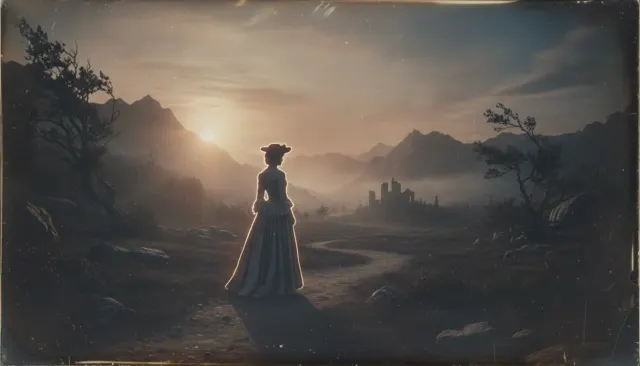 Analog Process ExtendedDaguerreotype Modern Recreation
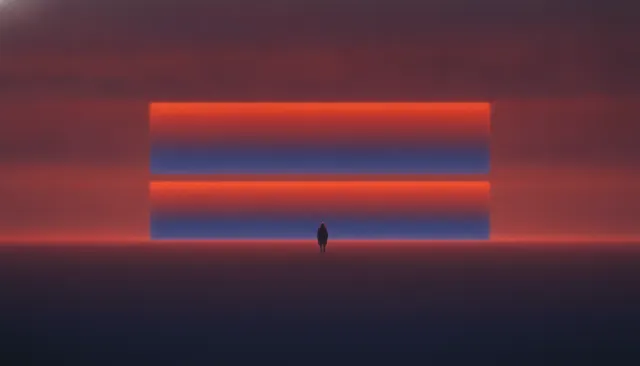 Art Movement ModernColor Field Rothko
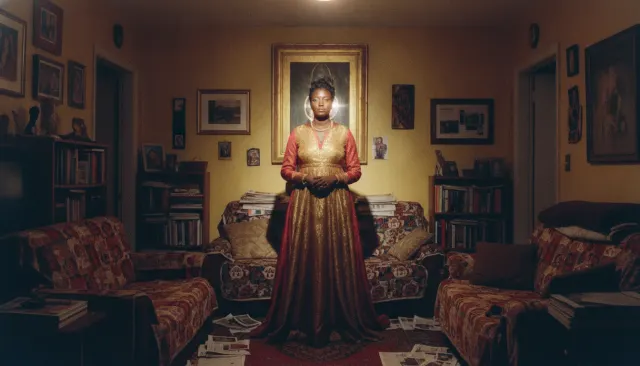 Photographers Color ModernDeana Lawson Staged Color Portrait
Your first cut
is on us.
+ New videoFree plan · no card · 1080p export