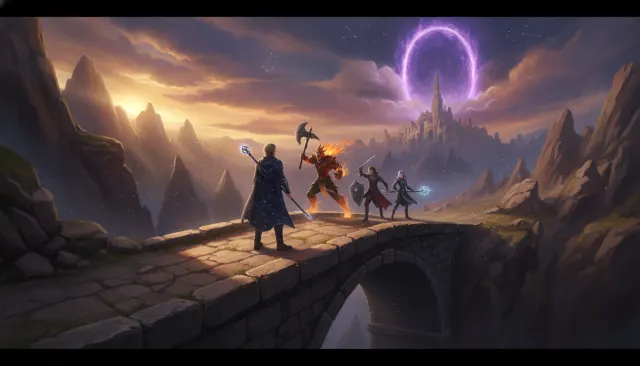
Persona 3 (FES / Portable)
Atlus, 2006/2007/2009 (PS2) - the blueprint entry for modern Persona visual identity
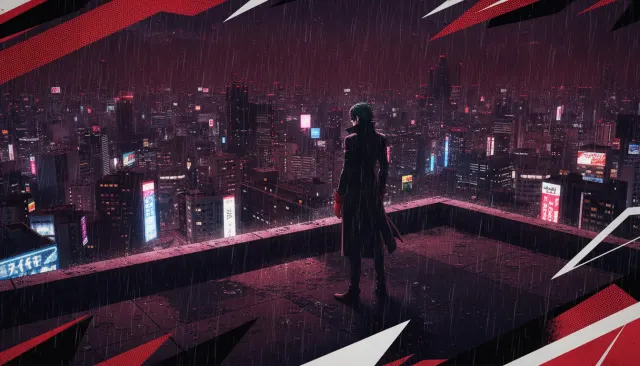
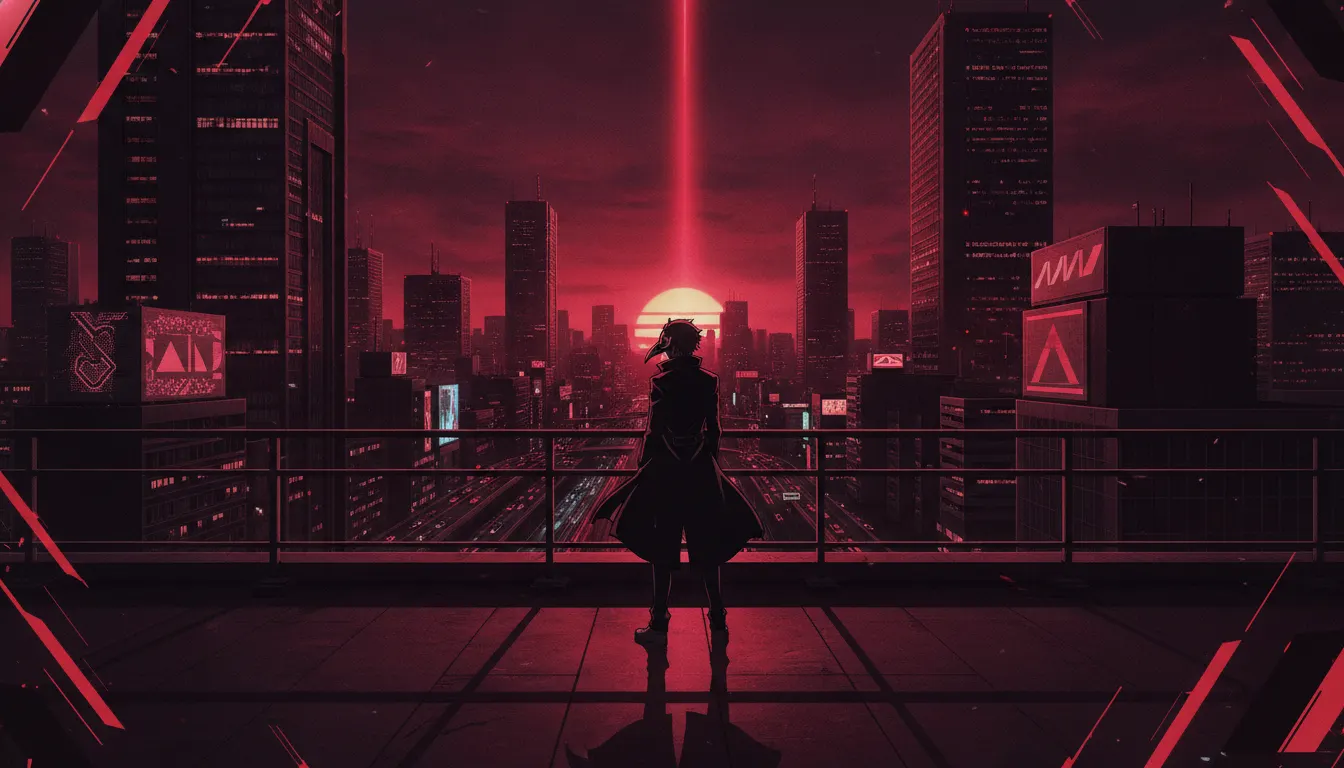
Persona 5 Atlus stylish modern JRPG aesthetic. Shigenori Soejima anime portraits, red-and-black UI motion graphics, Tokyo high school confidant scenes.
The moves a human crew would use to get here. Cue applies them for you, and knowing their names is how you ask for a change.
game locked palette identity: blue for P3 death/longing, yellow for P4 friendship/warmth, red for P5 rebellion
world visual language: mundane urban realism for social simulation; surrealist abstraction for dungeon exploration
as-psychology character design: Soejima's costumes are readouts of personality before a word is spoken
matched musical identity: Meguro's soundscapes are calibrated to each game's dominant color emotional range
actual Shibuya, Inaba, and Port Island geography rendered with observational detail
Fool through World arcana structure the social link characters and menus
driven visual pacing: seasons change the school uniform and environment lighting as narrative passes
The broader Persona series by Atlus spans from Persona (1996) through the current era, but the stylish modern JRPG identity was fully crystallized with Persona 3 (2006) and has been refined through Persona 4 (2008) and Persona 5 (2016/2020). This look encompasses the series' shared design philosophy rather than any single entry's specific palette.
Persona games are hybrid: half turn-based RPG dungeon crawler, half social simulation set in a high school calendar year. This dual structure creates a distinctive visual rhythm. Students walk to school under painted urban skies; part-time jobs take place in graphically stylized shops; friendships develop over lunch menus with illustrated food. The slice-of-life mundane half is depicted with careful, observational realism - actual Tatsumi Port Island, Inaba, and Shibuya locations reconstructed. The supernatural half explodes into surrealist abstract psychological spaces.
Each Persona title has a locked color identity.
Soejima designs characters starting with fashion choices that express psychology. Yukari Takeba's sporty casual look signals practical optimism; Mitsuru Kirijo's riding coat signals aristocratic authority; Chie Satonaka's green jacket signals tomboyish energy. Characters age, mature, and change costumes to signal growth. The visual design is a reading system, not decoration.
Shoji Meguro (Persona 3-5 composer) creates soundscapes calibrated to each game's visual palette: P3's blue melancholy in 'Burn My Dread', P4's golden rock in 'Reach Out to the Truth', P5's red jazz-hip-hop in 'Last Surprise'. The music-color-palette unity is a design principle, not coincidence.
Atlus, 2006/2007/2009 (PS2) - the blueprint entry for modern Persona visual identity
Atlus, 2012 (Vita); PC 2020 - yellow-identity peak and the series' warmest game
Atlus, 2019/2020 - red-identity apex and the most acclaimed entry
Atlus, 2024 - modern remake demonstrating how the 2006 visual language holds
Arc System Works / Atlus, 2012/2013 - Soejima character designs in Arc fighting game context
Atlus, 2011/2019 - adult psychological thriller in adjacent Atlus visual universe
A Look is not a filter. It is a set of stored decisions the pipeline reads before it makes a single frame, so two videos in the same Look actually match.