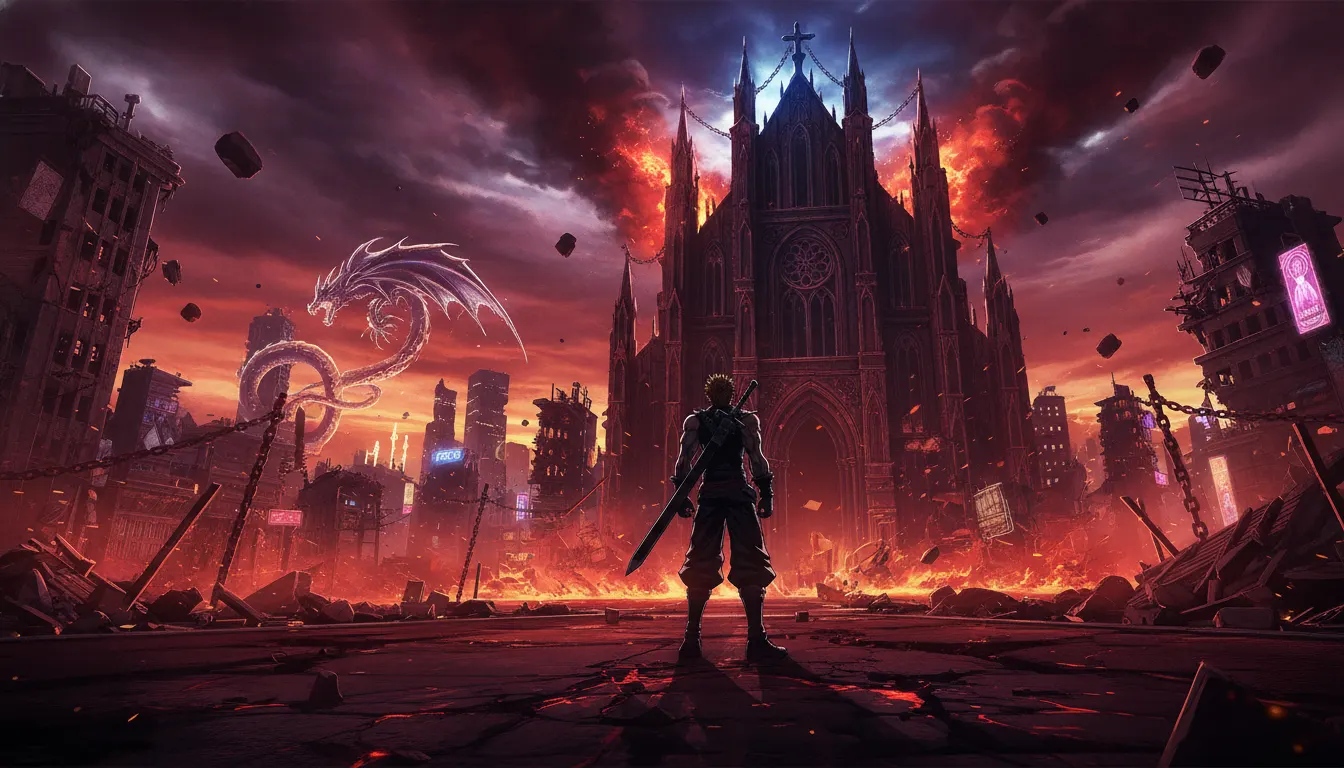
Guilty Gear Strive
Arc System Works, 2021 (PS4/PS5/PC)
Guilty Gear Strive Arc System Works modern cel-shaded 3D aesthetic. Daisuke Ishiwatari 2D-look 3D pipeline, rock-and-roll heavy-metal palette, anime fighter spectacle.
The moves a human crew would use to get here. Cue applies them for you, and knowing their names is how you ask for a change.
tuned toon ramps per character, not automated cel-shading filters
weight ink outlines: thick at silhouettes, thin at interior detail lines
tone flat cel shading (base + shadow) with no photorealistic gradients
frame distortion on limbs during high-speed attacks to imply motion blur
neon saturation with no ambient occlusion grounding characters in pure color space
rendered 2D painted backgrounds that seamlessly integrate with the 3D foreground fighters
Arc System Works' Guilty Gear Strive (2021) represents the culmination of a decade-long technical pursuit: making 3D polygon characters look indistinguishable from hand-drawn anime at 60 frames per second. Building on techniques refined in Dragon Ball FighterZ (2018) and the earlier Guilty Gear Xrd series (2014), Strive introduced what the studio calls 'Artstyle Unification' - a proprietary rendering pipeline where every cel shading decision is hand-tuned per character to preserve the original 2D illustration intent.
The key technical achievement is that Strive's characters do not look like 3D models with a cartoon filter. Artists manually painted shading gradients, toon ramps, and specular masks for each character at dozens of pose angles, then baked those decisions into the shader. The result is that Sol Badguy's flame-torn jacket reads as brushwork, not geometry. Ink outlines are generated procedurally but vary in weight based on curvature, distance, and manual artist override - thin and precise on fingers, thick and expressive at silhouette edges.
Palettes are saturated to near-neon intensity with absolutely no photorealistic subsurface scattering or ambient occlusion. Colors are flat or carry at most two steps of cel shading tones (base + shadow), with occasional rim lighting to separate characters from heavily illustrated backgrounds. Backgrounds themselves are fully pre-rendered 2D paintings that shift into 3D geometry only for camera-pan sequences.
Animation in Strive emphasizes smear frames - the hand-drawn technique of distorting limbs mid-motion to convey speed - and impact frames where the entire screen flashes with halftone dots, speed lines, and kanji-like graphic overlays. These hit-stops and impact effects are lifted directly from classic shounen manga panel conventions.
The Guilty Gear Strive pipeline is now the gold standard for anime-style 3D and has influenced mobile games, animated series, and indie fighters worldwide.
Arc System Works, 2021 (PS4/PS5/PC)
Arc System Works, 2014/2016 - the series that proved the technique at scale
Arc System Works, 2018 - parallel refinement of the cel-shaded 3D pipeline
Cygames / Arc System Works, 2020
French-Bread, 2023 - successor aesthetics in the same genre
Neople / Arc System Works, 2022
A Look is not a filter. It is a set of stored decisions the pipeline reads before it makes a single frame, so two videos in the same Look actually match.
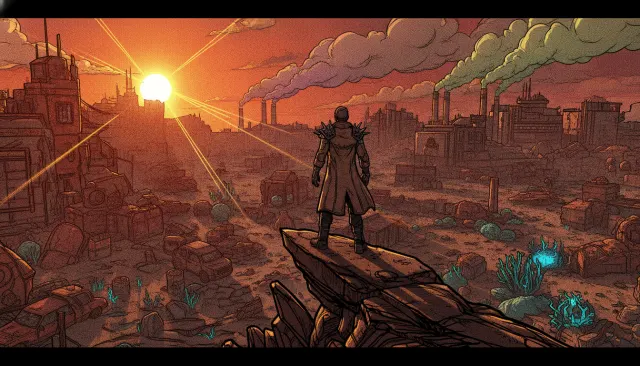 Cel Shaded 3DBorderlands Cel Shaded 3D
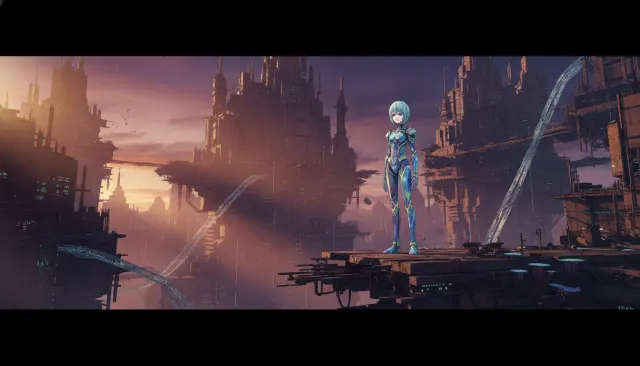 Indie 3DAnime 3D Hybrid Modern
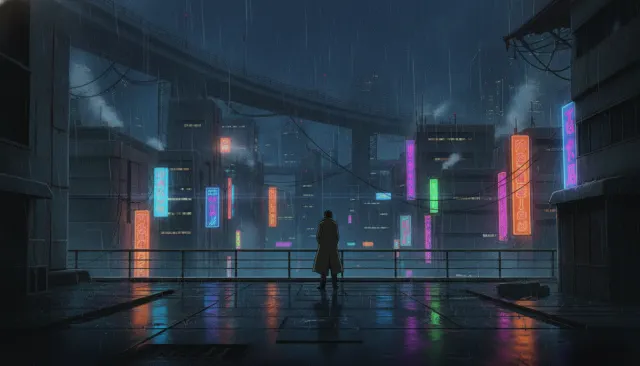 Era Classic AnimeAkira / Bebop 90s OVA Cel
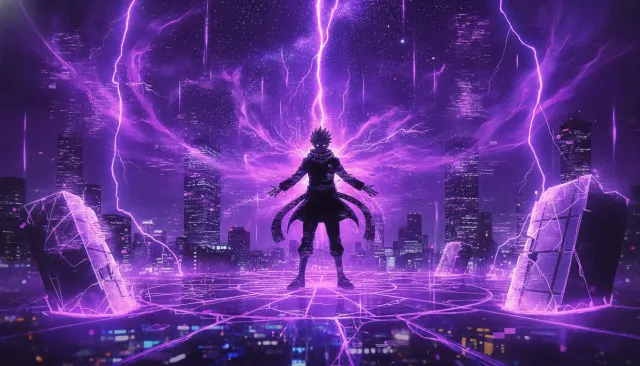 Era Classic Anime Expanded2020s Jujutsu Kaisen Cursed Energy
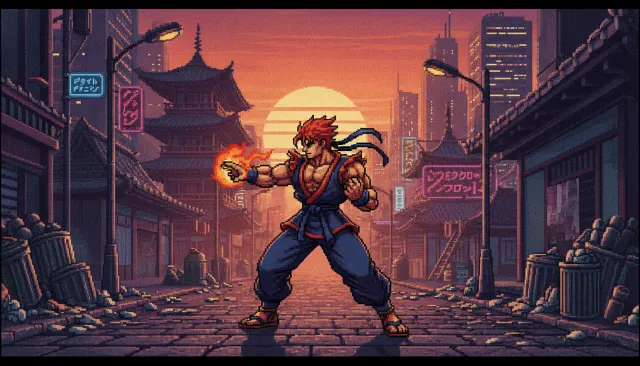 Fighting Game SpriteKing of Fighters 2D Sprite
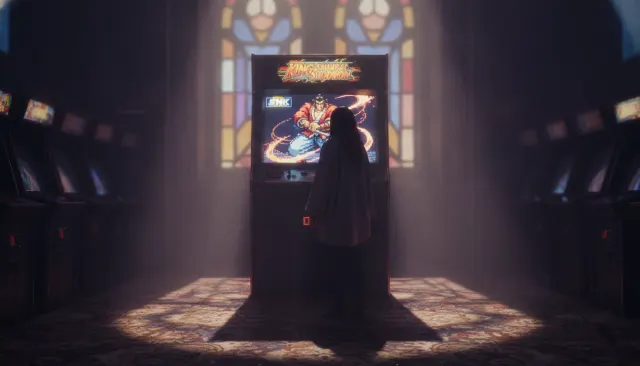 Retro Pre NesNeo Geo Arcade Fighter Detailed
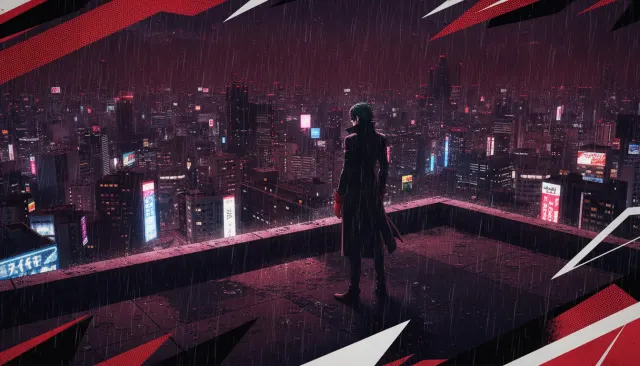 Jrpg ExtendedPersona 5 Royal Stylish Anime 3D