DamNation
Matt Stoecker / Patagonia Films · 2014
Patagonia environmental advocacy film establishing the outdoor brand documentary aesthetic with landscape cinematography and river-kayaking sequences
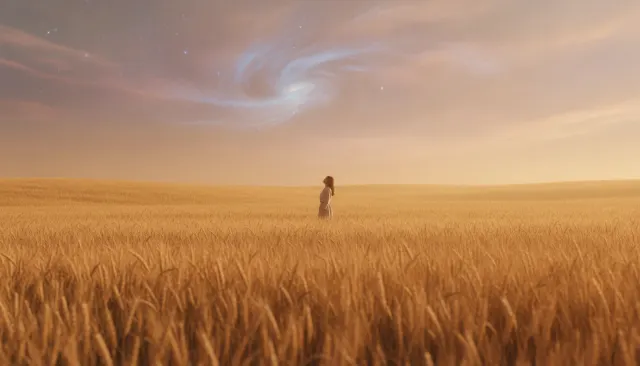
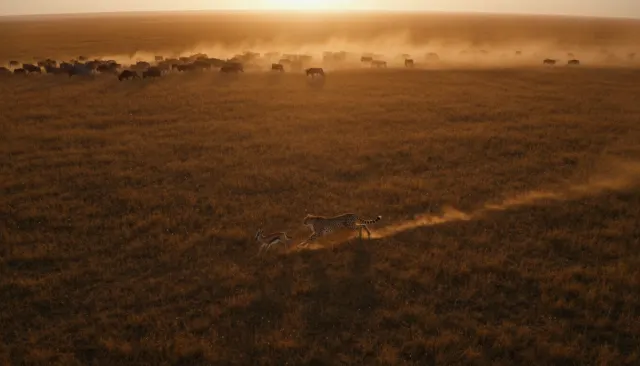
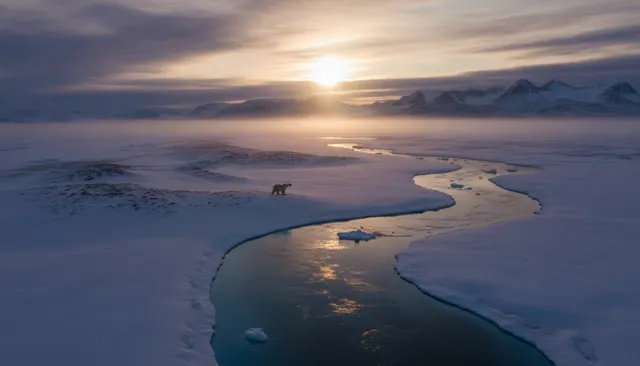
Vast vistas, dynamic range, drone-sweeping aerials. Epic scale, natural beauty.
The moves a human crew would use to get here. Cue applies them for you, and knowing their names is how you ask for a change.
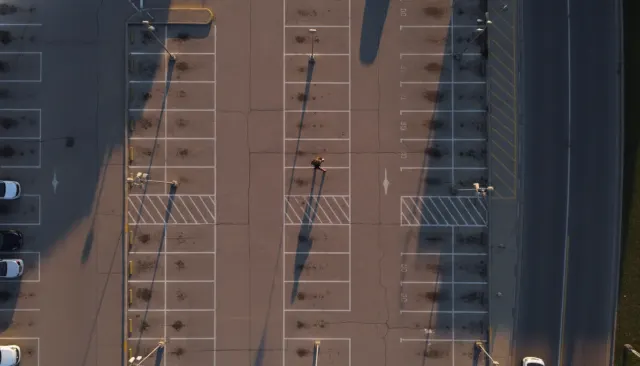
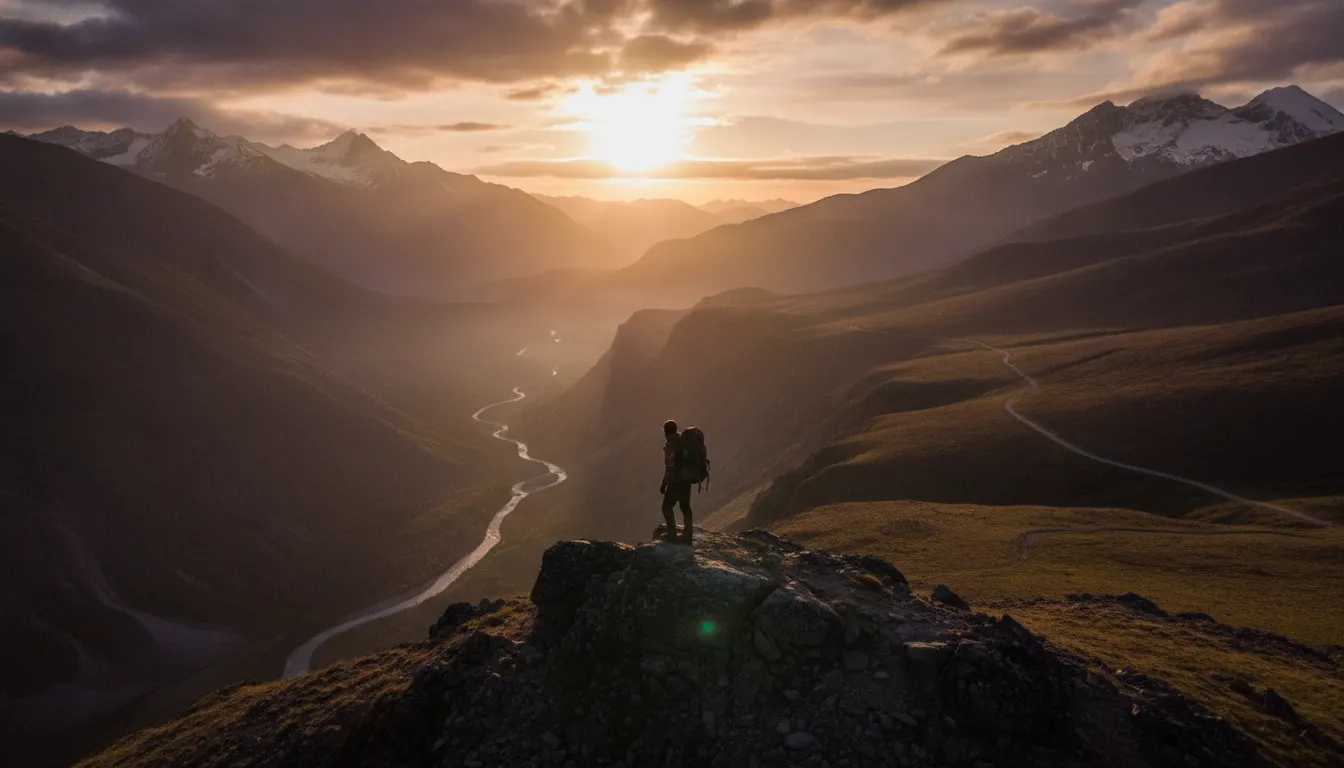
Drone cinematography at dawn or dusk capturing the warm directional light across landscape at altitude.
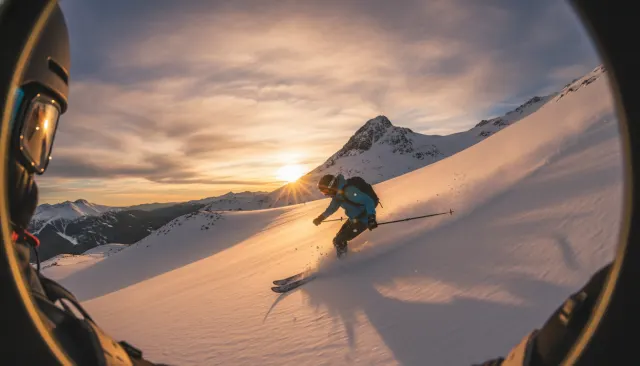
Action camera mounted on athlete or equipment providing subjective perspective of physical performance in natural environments.
Ultra-wide or standard wide shots that establish the full scale of the natural environment before introducing the human subject.
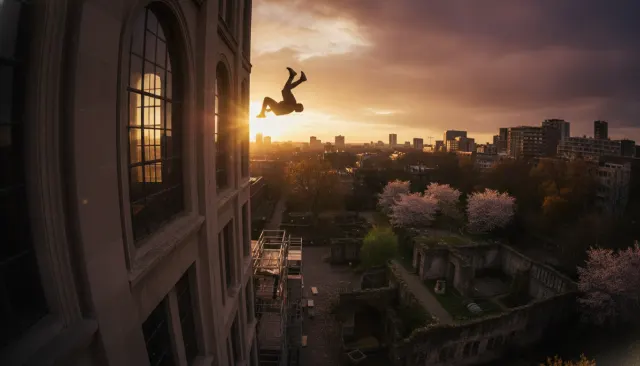
Backlit silhouette of an athlete against sky or sun, typically at a summit or exposed position, signaling achievement and perspective.
Camera in underwater or water-contact housing capturing the surface of ocean, river, or lake with the athlete visible above or below.
Macro or close shots of rock, moss, water, snow, or wood grain that ground the content in the physical reality of the natural environment.
Camera following the athlete through terrain at pace, close enough to capture effort and detail, allowing natural movement and instability.
The outdoor adventure visual aesthetic is a synthesis of landscape photography tradition, outdoor brand filmmaking, and the technical capabilities that drone, action camera, and waterproof housing technology made available in the 2010s. It is simultaneously an aesthetic and a commercial genre: Patagonia, The North Face, REI, and a generation of adventure sports brands built their visual identities around this grammar, and the grammar in turn shaped what millions of viewers understand as the visual language of the outdoors.
Patagonia's film productions, beginning with their environmental activism films of the 2000s and expanding through their Patagonia Films catalog, established the benchmark for outdoor brand cinematography. Films including DamNation (2014), Fishpeople (2016), and Public Trust (2020) used the same visual grammar as their marketing: wide-open landscapes, athletes in natural environments, golden hour light, drone aerials, and GoPro-perspective POV shots. The films weren't distinguishable from advertisements, and this was by design - the brand's environmental advocacy and its product marketing used the same visual credibility.
The REI Co-op's 1440 Media content studio and The North Face's film productions extended the same grammar across a broader range of disciplines: climbing, trail running, kayaking, skiing, mountain biking. The outdoor adventure aesthetic became a distinct genre with its own technical standards and visual conventions.
The outdoor adventure look is assembled from several technical sources. Drone cinematography - particularly DJI equipment in the post-2013 era - provided the sweeping aerials that establish landscape scale. GoPro and action cameras provided the subjective POV perspective of athletes in motion. Cinema cameras on stabilization rigs provided the stable, controlled imagery for interviews and set pieces. The combination of these sources within a single production created a visual language that moved fluidly between scale and intimacy.
Natural light is prioritized in outdoor adventure cinematography, both practically (artificial lighting is impractical in remote locations) and aesthetically (the golden hour light of mountain and coastal environments is the genre's defining color). ND filters allow exposure control in bright outdoor conditions, and fast lenses enable available-light shooting in the deep shade of forest interiors.
Social media - particularly Instagram (2010) and later YouTube and TikTok - created a mass participatory version of the outdoor adventure aesthetic. Creators with iPhones and GoPros reproduced the visual grammar at consumer scale, driving the popularization of the look across millions of accounts. The aesthetic became simultaneously aspirational and attainable, which is the condition for its current ubiquity.
Matt Stoecker / Patagonia Films · 2014
Patagonia environmental advocacy film establishing the outdoor brand documentary aesthetic with landscape cinematography and river-kayaking sequences
Jimmy Chin / Elizabeth Chai Vasarhelyi · 2015
Academy Award-winning climbing documentary using helmet cameras and DSLR footage to document the first ascent of the Shark's Fin
Jimmy Chin / Elizabeth Chai Vasarhelyi · 2018
Academy Award Best Documentary winner filming Alex Honnold's free solo ascent of El Capitan at Yosemite
Peter Mortimer / Nick Rosen · 2021
Extreme alpine climbing documentary pushing the available-light and handheld-in-dangerous-conditions aesthetic
Various · 2013
Shane McConkey tribute film combining aerial skiing and base jumping footage with the drone era's expanded visual range
Peter Mortimer / Nick Rosen · 2014
Yosemite climbing counterculture documentary using archival footage alongside contemporary cinematography
A Look is not a filter. It is a set of stored decisions the pipeline reads before it makes a single frame, so two videos in the same Look actually match.