PHOTOJOURNALISM · CONTEMPORARY · USA
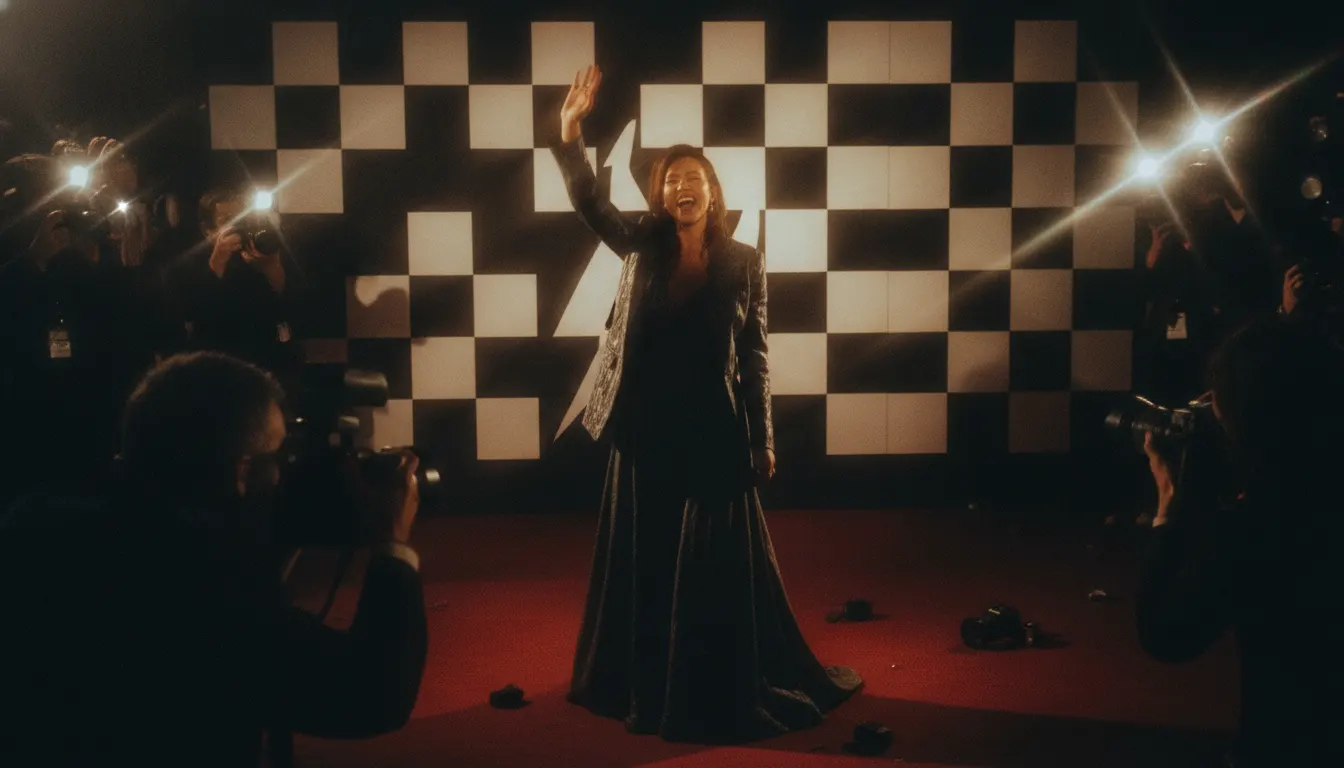
Oscar Night Flash Paparazzi
Red-carpet paparazzi blitz. Direct flash chaos, gown over step-and-repeat, motion-blur arm wave, blinded smile, TMZ Getty wire.
paparazzired-carpetflashcelebrity
LUT paparazzi-flash-direct
WHEN TO USE
- Awards ceremony or gala event coverage for entertainment, arts, or corporate clients
- Red carpet content for film festivals, music awards, fashion events, or brand activations
- Celebrity or influencer content invoking the Hollywood glamour and press-attention signifier
- Event photography for charity galas, luxury brand launches, or cultural institutions using step-and-repeat branding
- Satirical or commentary content about celebrity culture or the awards industrial complex
- Archival or documentary content about Hollywood history or entertainment industry
WHEN NOT TO USE
- Intimate portrait sessions where the press-pit aesthetic dehumanizes the subject
- Documentary photography where cooperative celebrity posing undermines candor
- Nature, landscape, or product photography with no connection to the celebrity event context
- Content requiring a high-fashion editorial polish (Mert & Marcus, Mario Testino) rather than press-photography efficiency
- Brand content for luxury goods where the paparazzi aesthetic conflicts with aspirational values
SIGNATURE TECHNIQUES
How the look is made.
The moves a human crew would use to get here. Cue applies them for you, and knowing their names is how you ask for a change.
- 01Direct on
camera or near-camera hotshoe flash providing flat, shadow-minimal illumination
- 02Step
and-repeat branded backdrop as universal background for formal red carpet frames
- 03Cooperative three
quarter rotation posing: subjects trained to face camera at flattering angles
- 0470
200mm telephoto at medium reach for comfortable working distance and background compression
- 05Continuous burst shooting (8
20fps) to capture maximum expression and gesture variation
- 06Slight drop shadow on background
inherent to direct flash at press-pit working distances
- 07Flat color grade or minimal post
processing: wire-service turnaround prioritizes speed over creative grading
HISTORY & CONTEXT
Where it comes from.
Oscar Night Flash Paparazzi
The Oscars red carpet press pit is one of the most codified photographic environments on earth. Every year, 300-500 credentialed photographers from wire services (Getty Images, AFP, AP), entertainment outlets, and fashion publications crowd a 30-meter press area and generate approximately 50,000 frames in two hours. The resulting aesthetic - bright direct flash against crimson backdrop, subjects in formal wear at precise camera-facing angles - is instantly globally recognizable.
The Press Pit Economy
Accredited photographers work from a designated press pen positioned perpendicular to the red carpet walk. Celebrities pause at designated marks and rotate through positions - facing forward, three-quarter left, three-quarter right - while publicists manage timing. The Getty and AP wire images shot in this environment typically reach picture desks within 90 minutes of the carpet closing. The physical density of photographers, the need for consistent backgrounds (the branded step-and-repeat banner), and the celebrity's cooperative positioning create uniform baseline conditions that make this simultaneously one of the most technically straightforward and most competitive photography environments.
Technical Characteristics
Direct hotshoe flash (600-series Nikon or Canon speedlights, or Profoto B10 battery strobes for editorial work) is near-universal in the press pit. Flash freezes movement and provides consistent exposure regardless of outdoor ambient or indoor transition lighting. The direct flash signature - flat, even illumination with slight drop shadow on the step-and-repeat behind the subject - is inherent to the production environment. Lenses range from 70-200mm zoom (for reach across the carpet) to 24-70mm (for close presses).
The Paparazzi Extension
Beyond the organized press pit, the candid paparazzi photograph shares the direct-flash aesthetic but occurs in uncontrolled conditions: restaurant exits, car arrivals, airport terminals. Here the flash creates more aggressive shadows, subjects are caught off-guard, and the compositional chaos reads as authentic urgency rather than controlled ceremony. Publications like People, TMZ, and Us Weekly have historically relied on this second category of Oscar-night content.
Cultural Significance
The step-and-repeat red carpet photograph has become the primary visual format for celebrity recognition globally, adopted by corporate events, charity galas, and brand activations worldwide.
NOTABLE WORKS
Where you have seen it.
AP Photos Oscar night coverage, annually 1960-present
Vanity Fair Oscar Party photography, annually 2000-present
People Magazine Oscar issue photography, annually 1980s-present
TMZ celebrity paparazzi coverage archive, 2005-present
Life Magazine Hollywood coverage, 1936-1972
THE RECIPE
The exact knobs
the renderer turns.
A Look is not a filter. It is a set of stored decisions the pipeline reads before it makes a single frame, so two videos in the same Look actually match.
SettingValue
GradeColour LUT applied to every frame
paparazzi-flash-directTransitionHow one shot becomes the next
hard cuts · 100ms · linearKen BurnsCamera move applied to stills
Static framesTypographyDisplay / body / mono pairing
Archivo · Inter · JetBrains MonoMusic moodWhat the bed under the voice sounds like
orchestral-fanfare · red-carpet-glam-popPrompt suffixAppended to every shot prompt in this Look
Oscar red carpet paparazzi flash blitz, direct flash chaos step and repeat, motion blur arm wave, blinded smilePALETTE
Primary
#F5C144
Secondary
#7A2030
Accent
#1A1A1A
Text/Light
#1F1408
Text/Dark
#FFF1D0
BG 900
#0F0808
BG 800
#1F1410
RELATED LOOKS
Next to it on the shelf.

Your first cut
is on us.
+ New videoFree plan · no card · 1080p export