PORTRAIT TRADITIONS · CONTEMPORARY · USA
Mugshot Front Side Flash
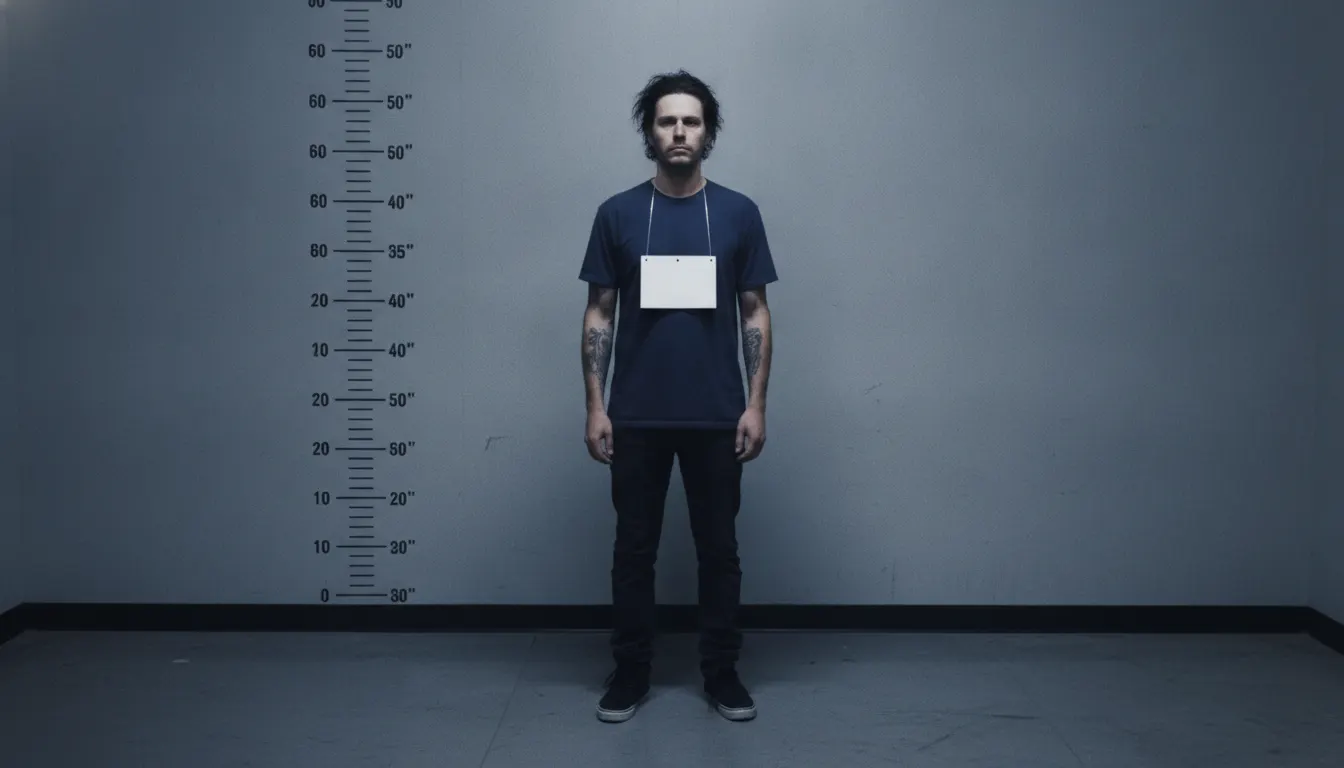
Law-enforcement booking photograph. Direct on-axis flash, height-rule background, dual front and profile pose, date plate, blank affect.
mugshotbookingforensicflat-light
LUT mugshot-flat-flash
WHEN TO USE
- Conceptual portraiture or fine art work engaging with themes of identity, surveillance, or criminal justice
- True-crime documentary or podcast visual content where the forensic aesthetic establishes tone
- Comedic or satirical content where the mugshot format creates ironic commentary on celebrity or power
- Fashion or editorial content deliberately subverting glamour conventions by invoking anti-aesthetic
- Historical documentary content about the criminal justice system or 19th-20th century forensic photography
WHEN NOT TO USE
- Standard portrait sessions where subjects expect flattering presentation
- Brand or commercial photography for any product or service not specifically engaging with the format
- Content for subjects who may find the criminal association uncomfortable or harmful
- Food, product, or landscape photography where the two-shot portrait format makes no sense
- Any context requiring warmth, aspiration, or approachability as primary emotional goals
SIGNATURE TECHNIQUES
How the look is made.
The moves a human crew would use to get here. Cue applies them for you, and knowing their names is how you ask for a change.
- 01Flat on
camera flash or ring flash for shadow-free, forensic-even illumination across the full face
- 02Neutral grey or beige background, evenly lit to avoid gradient
- 03Front
facing 0-degree and strict 90-degree profile shots made as a pair
- 04Fixed camera
to-subject distance (Bertillon standard: approximately 1.5-2 meters)
- 05Neutral, deadpan expression directed from subject
- 06Cool
to-neutral color grade without skin-warming or flattery
- 07Height ruler or case
number placard in frame for full documentary authenticity
HISTORY & CONTEXT
Where it comes from.
Mugshot Front/Side Flash
The police booking photograph - colloquially the mugshot - is among the most rigidly codified photographic genres ever developed. Its conventions were established in the late 19th century by Alphonse Bertillon, the French criminologist whose Bertillonage system of criminal identification (1879) specified standardized lighting, distance, and both full-face and profile views to create a scientific archive of criminal identity.
Bertillon and Forensic Photography
Bertillon's system, adopted by police departments across Europe and the United States through the 1880s, required two photographs made at fixed distance with consistent flat lighting: one full-face frontal, one strict 90-degree profile. The lighting - flash or continuous - was designed to eliminate shadow, ensuring that facial landmarks (ear shape, nose bridge, brow ridge) were measurable and comparable across records. The neutral background (grey or beige) served the same archival function.
The Aesthetic That Transcends Function
The mugshot's visual language has been extensively appropriated in art, fashion, and popular culture precisely because of its refusal to flatter. Andy Warhol's Most Wanted Men series (1964) silkscreened FBI wanted posters at the New York World's Fair. Taryn Simon's The Innocents (2002) photographed exonerated wrongfully convicted individuals at the sites of their alleged crimes, using the forensic portrait tradition to interrogate the criminal justice system. Fashion photographers including Juergen Teller and photographers working in 'anti-fashion' traditions have invoked mugshot conventions to strip glamour from celebrity subjects.
Technical Signature
Flat on-camera flash or near-camera speedlight produces even, shadow-free illumination. Background is neutral and consistently lit. Subject is instructed to face directly forward or turn exactly 90 degrees to the right. Expression is neutral to deadpan. Props - height ruler, case number placard - may appear. Color is cool-to-neutral; grading does not warm or flatter skin.
Contemporary Uses
The look appears in conceptual portraiture, true-crime content thumbnails, comedic contexts (celebrity mugshots as pop culture touchstone), identity politics commentary, and as ironic counterpoint in fashion shoots that deliberately subvert glamour expectations.
NOTABLE WORKS
Where you have seen it.
Andy Warhol, Most Wanted Men, silkscreen series, 1964
Taryn Simon, The Innocents, photography book, 2002
Celebrity mugshot photo archive (Paris Hilton 2007, Frank Sinatra 1938, Mick Jagger 1967)
Richard Prince, Mugshot series, appropriation prints, 2000s
Weegee (Arthur Fellig), NYPD booking photography documentation, 1930s-1940s
THE RECIPE
The exact knobs
the renderer turns.
A Look is not a filter. It is a set of stored decisions the pipeline reads before it makes a single frame, so two videos in the same Look actually match.
SettingValue
GradeColour LUT applied to every frame
mugshot-flat-flashTransitionHow one shot becomes the next
hard cuts · 100ms · linearKen BurnsCamera move applied to stills
Static framesTypographyDisplay / body / mono pairing
JetBrains Mono · Inter · JetBrains MonoMusic moodWhat the bed under the voice sounds like
procedural-drone · tension-bassPrompt suffixAppended to every shot prompt in this Look
police booking mugshot front and profile, on-axis flash height rule background, date plate blank affectPALETTE
Primary
#5C8AA8
Secondary
#3A4A5C
Accent
#1A1A1A
Text/Light
#0A1A2E
Text/Dark
#E0E8F0
BG 900
#0A1418
BG 800
#1A2A30
RELATED LOOKS
Next to it on the shelf.
 Street PhotographyDaido Moriyama BW Grain Japan
 Photographers Color ModernCarrie Mae Weems Narrative BW
 Photographers Fine ArtCindy Sherman Conceptual Portraiture
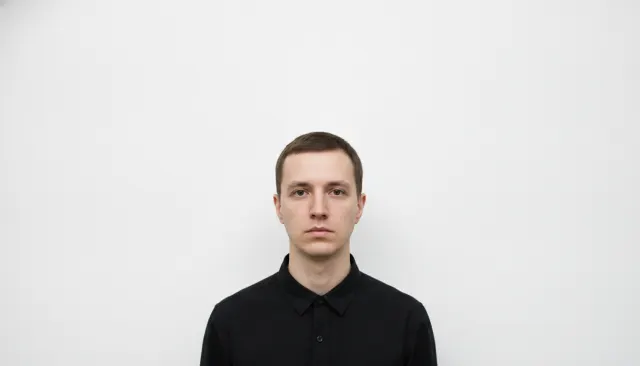 Portrait TraditionsPassport Photo Flat Light
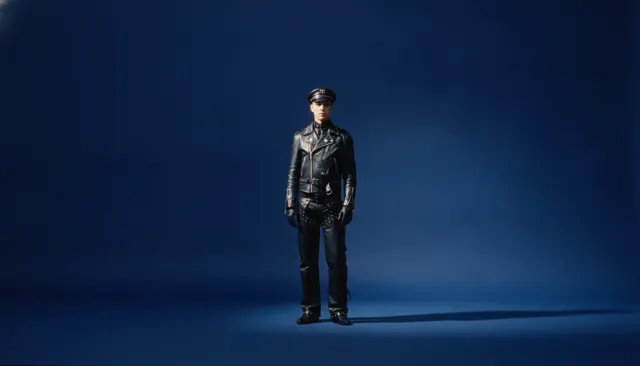 Photographers Fine ArtCatherine Opie Portrait Formal
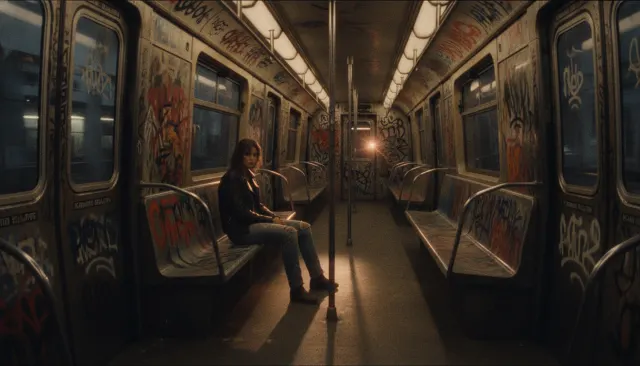 Street PhotographyBruce Davidson Subway Flash
Your first cut
is on us.
+ New videoFree plan · no card · 1080p export