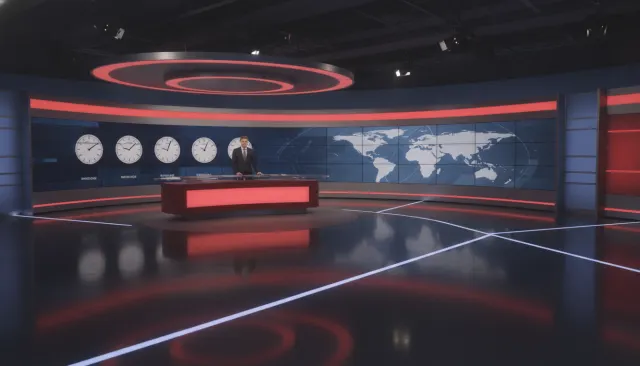
CNN Studio 7
CNN / Jack Morton PDC · 2013
Major LED-based studio rebuild establishing the immersive digital backdrop newsroom format
Modern broadcast newsroom. Heavy lower-thirds, neutral neon accents, multi-source feed.
The moves a human crew would use to get here. Cue applies them for you, and knowing their names is how you ask for a change.
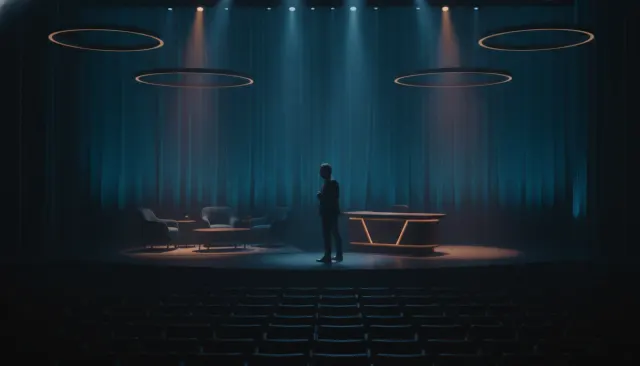
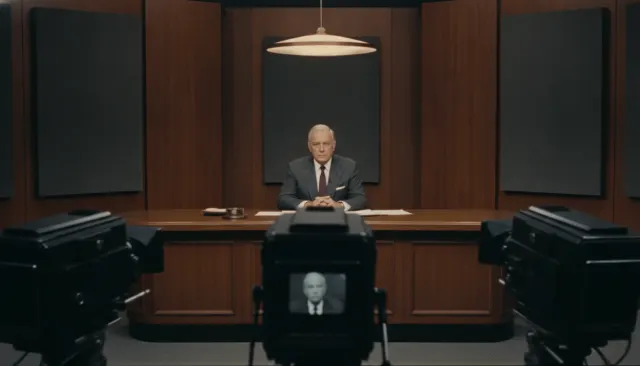
Deep navy-to-black studio backgrounds that create high contrast with the anchor and allow graphic elements to glow against the dark field.
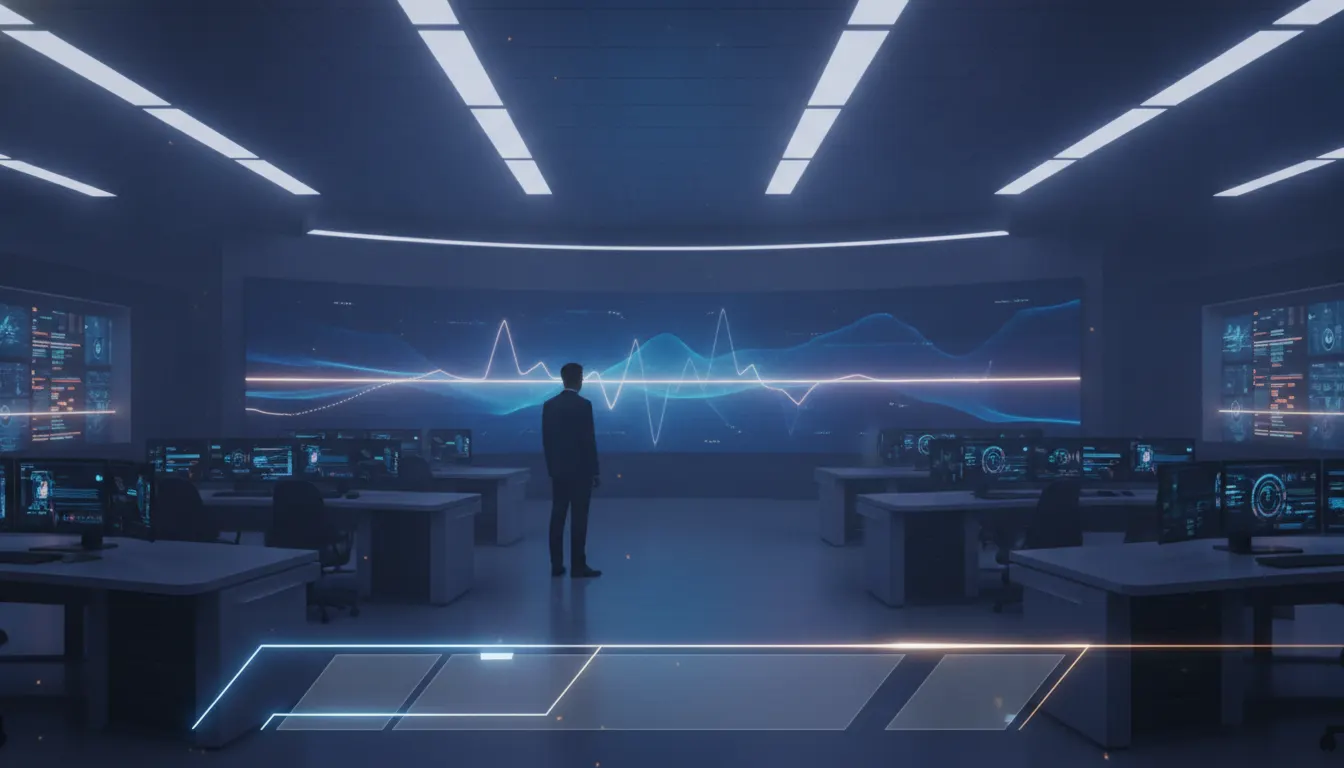
Cool cyan and electric blue accent lighting from embedded LED systems in studio architecture, signaling digital modernity.
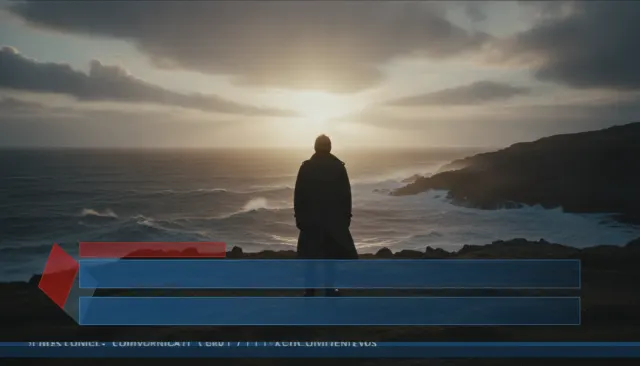
Layered lower-third graphics combining headline text, sub-headline, network logo, timestamp, and social handles in a precisely designed system.
Split-screen or insert boxes showing additional footage, data visualizations, or remote correspondent feeds simultaneously.
Massive LED display surfaces behind anchors showing dynamic content - maps, graphics, footage - that merges the physical and digital studio.
Animated graphic transitions between segments that use the network's brand motion language to maintain visual continuity.
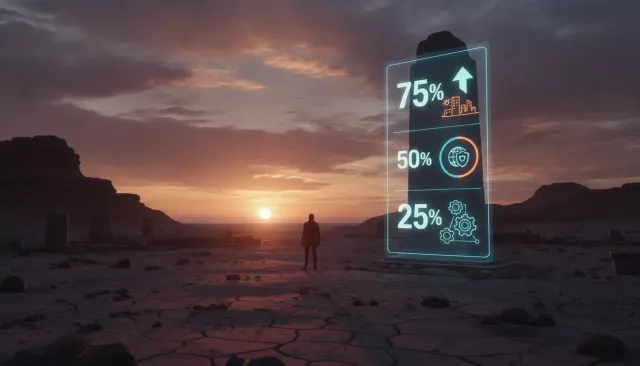
Live data feeds - market prices, vote counts, weather - displayed in designed on-screen graphics that update in real time.
The broadcast news visual identity of the mid-2020s represents the confluence of four decades of newsroom design evolution, digital display technology, and the aesthetic arms race between major news networks competing for authority and attention in a fragmented media landscape. The contemporary newsroom look is defined by its deliberate modernity: clean lines, dark backgrounds, cyan and blue accent lighting, dense lower-third graphics packages, and the visual vocabulary of digital dashboards translated into physical studio architecture.
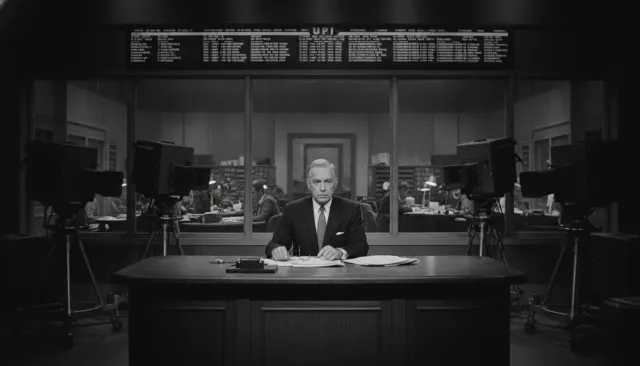
Network news visual identity evolved through three distinct phases. The Walter Cronkite era (1950s-1970s) was defined by the gravity of simplicity: a single anchor, a plain desk, and the authority of the institutional voice. The 1980s and 1990s introduced the multi-anchor format, the green-screen insert graphic, and the beginning of the 24-hour news cycle that demanded continuous visual content. CNN's launch in 1980 and the explosion of cable news created competitive pressure to differentiate through production design.
The post-9/11 era (2001-2010) accelerated the adoption of motion graphics, lower-thirds that consumed 30% of the screen, and the crawl ticker at the bottom. Information density became a design value, not merely a production necessity. Fox News, CNN, and MSNBC competed for visual authority through increasingly complex on-screen graphic systems.
The 2010s brought the glass and LED revolution. Major networks rebuilt studios around floor-to-ceiling LED displays that could show any graphic or footage content. The physical and digital environments of the newsroom merged: anchors now stand before screens that could be city skylines, data visualizations, or satellite imagery. Sky News, the BBC, and Al Jazeera built studio environments in which the digital display was the architecture.
Contemporary broadcast news design prioritizes two competing values: authority (dark backgrounds, controlled color, high contrast) and immediacy (dense information layers, motion graphics, real-time data). The palette is typically navy-to-black backgrounds with cyan or electric blue accent lighting that references the digital glow of screens. Lower-third graphic packages are precisely typeset and animated, using sans-serif typefaces that signal modernity and legibility at screen distance.
Streaming and social news distribution has pressured the format to produce vertical-optimized content, but the horizontal broadcast studio format remains the flagship product for audiences who watch on living room screens.
CNN / Jack Morton PDC · 2013
Major LED-based studio rebuild establishing the immersive digital backdrop newsroom format
Sky News · 2015
London studio using glass and LED architecture to create the newsroom-as-digital-environment model
BBC / Red Bee Media · 2019
Major graphic system update establishing the modern BBC news visual language
MSNBC · 2020
30 Rock studio rebuild emphasizing dark backgrounds and dense lower-third information architecture
Al Jazeera · 2018
International news network studio design emphasizing global coverage with a modern dark-and-cyan visual language
Various networks · 2020s
Cross-format adoption of the news desk aesthetic in late-night and commentary formats, demonstrating the grammar's authority transfer
A Look is not a filter. It is a set of stored decisions the pipeline reads before it makes a single frame, so two videos in the same Look actually match.