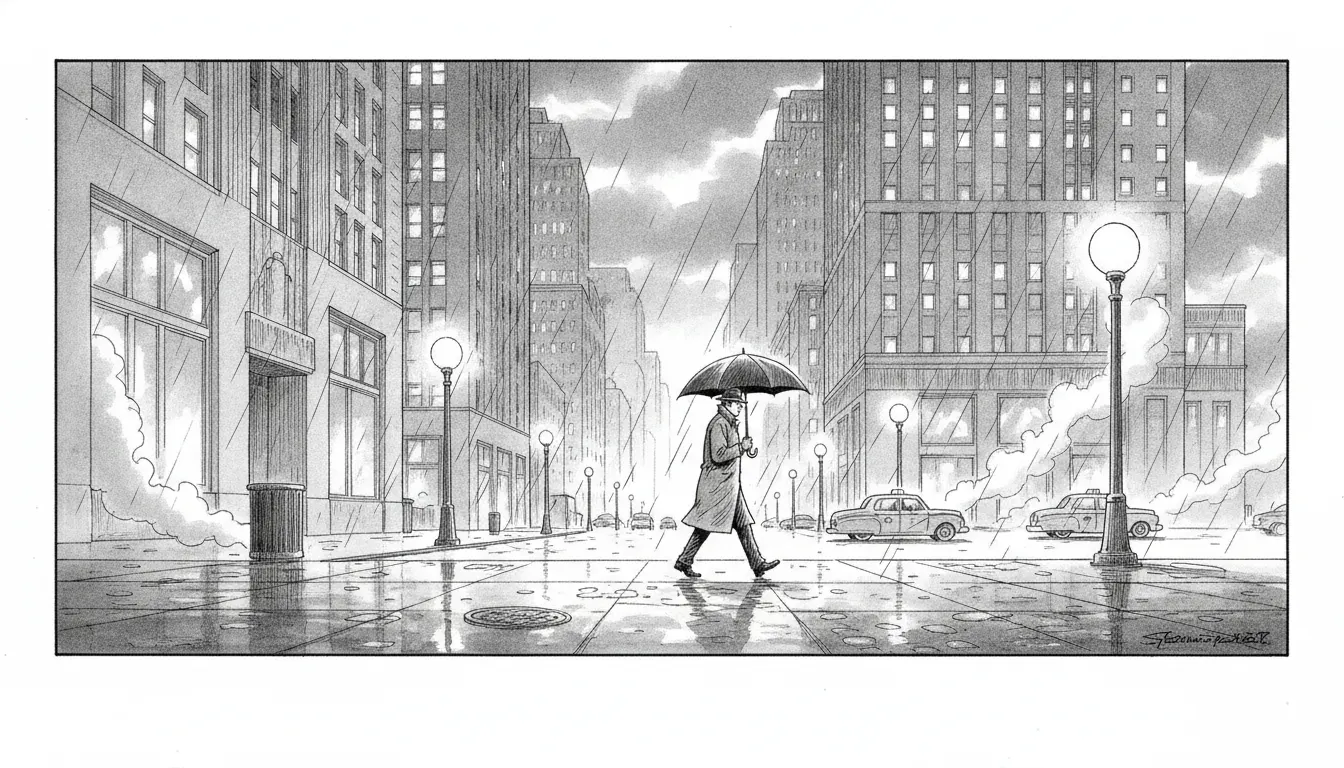
Saul Steinberg
View of the World from 9th Avenue (New Yorker cover, March 29, 1976)
New Yorker single-panel cartoon. Thin pen-and-ink wash, dry-witted caption beneath, urbane Manhattan domestic scene.
The moves a human crew would use to get here. Cue applies them for you, and knowing their names is how you ask for a change.
panel format: one frozen moment that implies a complete narrative through compression
dialogue or observation that reframes the image to produce meaning through their juxtaposition
and-white only - never photorealistic rendering
offices, living rooms, deserts as familiar stage sets for absurdity
specific haircuts, clothing, facial expressions signaling social class, profession, and disposition
the visual element and caption together pointing to an unstated observation that clicks for the reader
figures floating in pure white backgrounds to focus attention on the cartoon equation
The New Yorker cartoon is one of the longest-running and most formally consistent traditions in American illustration - a weekly ritual since the magazine's founding in 1925 that has produced some of the most technically and conceptually sophisticated single-image humor in the world.
The classic New Yorker cartoon is a single panel, black-and-white (or lightly washed with watercolor color), captioned with one or two lines of dialogue or a brief observation. The form demands a specific kind of intelligence: the image and the caption must together produce a meaning that neither could achieve alone, through a gap that the reader crosses in the moment of comprehension. This structure is often called the 'cartoon equation': image + caption = insight + laughter.
The constraint of a single panel - no sequence, no before or after, only one frozen moment - requires artists to choose the exact instant that implies the maximum narrative before and after.
Romanian-born Saul Steinberg is the New Yorker's most philosophically ambitious cartoonist. His work, appearing from 1941 to 1999, frequently abandons conventional cartoon premises entirely: his 1976 cover View of the World from 9th Avenue (showing Manhattan's west side looming enormous over a tiny, compressed America and Pacific beyond) became the most requested reprint in New Yorker history. Steinberg drew with a precise, playful line that flirted with Cubism and examined the ontological status of drawing - hands drawing themselves, lines that became roads that became words.
Charles Addams created both the genre-defining macabre single-panel cartoon and a cast of characters - the Addams Family - that became one of American popular culture's most durable properties. His cartoons depict the cheerful enjoyment of the sinister: a family on a snow-covered building roof pouring boiling oil on carolers below, or Gomez and Morticia observing a normal suburban family with bewildered pity.
Roz Chast's work, appearing since 1978, uses a deliberately scratchy, anxious line to map the interior landscape of suburban neurosis. Her cartoons are densely lettered, with multiple text panels and annotations that enact the racing thoughts of her narrator-figures. Her graphic memoir Can't We Talk About Something More Pleasant? (2014) brought her anxiety-memoir cartoonist sensibility to book length.
View of the World from 9th Avenue (New Yorker cover, March 29, 1976)
Carolers on the Roof (New Yorker, December 1946)
Can't We Talk About Something More Pleasant? (2014, Bloomsbury)
The Hell You Say (1930s-1960s; founding era cartoonist)
'It's a Naive Domestic Burgundy' series and dog cartoons (1930s-1940s)
working-class domestic cartoons (1930s-1970s)
symbol drawings and emotional-landscape cartoons (1930s-1960s)
dark, contemporary minimalist captions (1990s-present)
A Look is not a filter. It is a set of stored decisions the pipeline reads before it makes a single frame, so two videos in the same Look actually match.
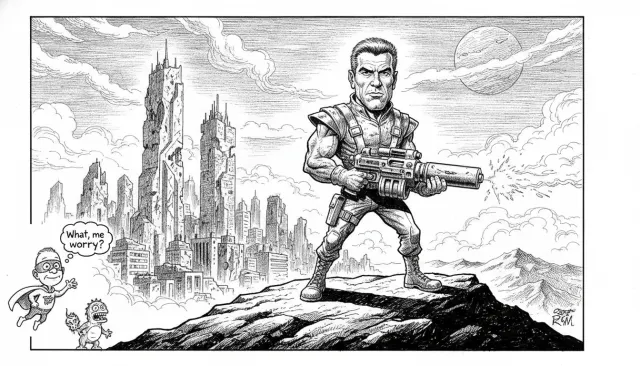 Editorial MagazineMAD Magazine Satire
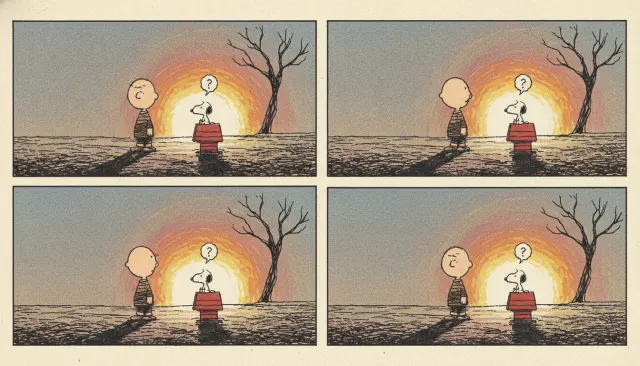 Illustrators ExtendedCharles Schulz Peanuts Minimalist Strip
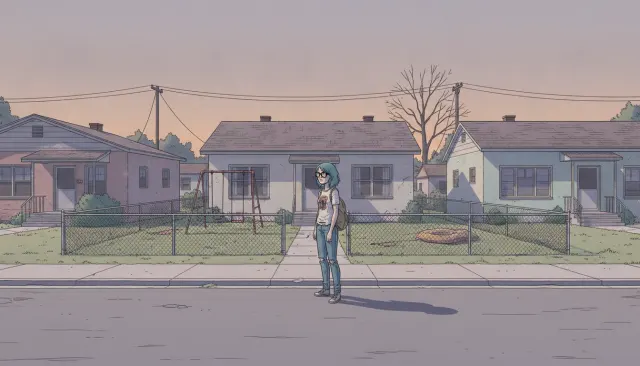 Illustrators ExtendedDaniel Clowes Deadpan Suburban Comic
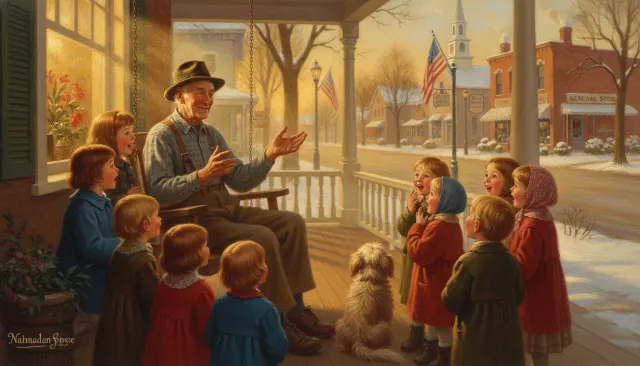 Illustrators NamedNorman Rockwell Americana Cover
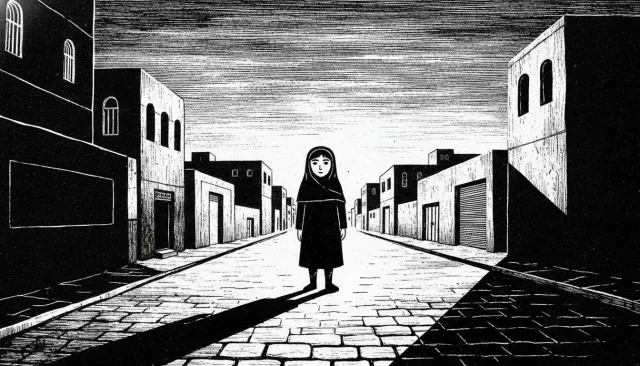 Illustrators ExtendedMarjane Satrapi Persepolis BW Thick Line
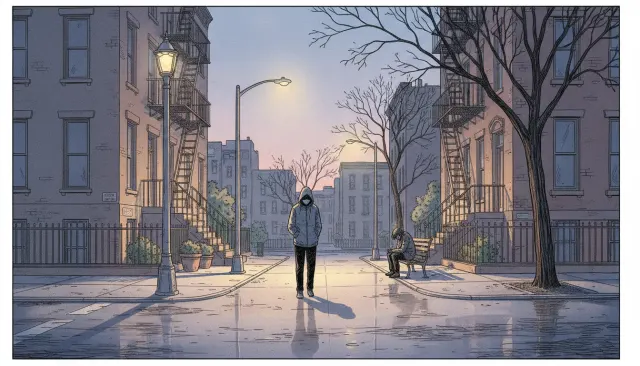 Illustrators ExtendedAdrian Tomine Clean Graphic Novel