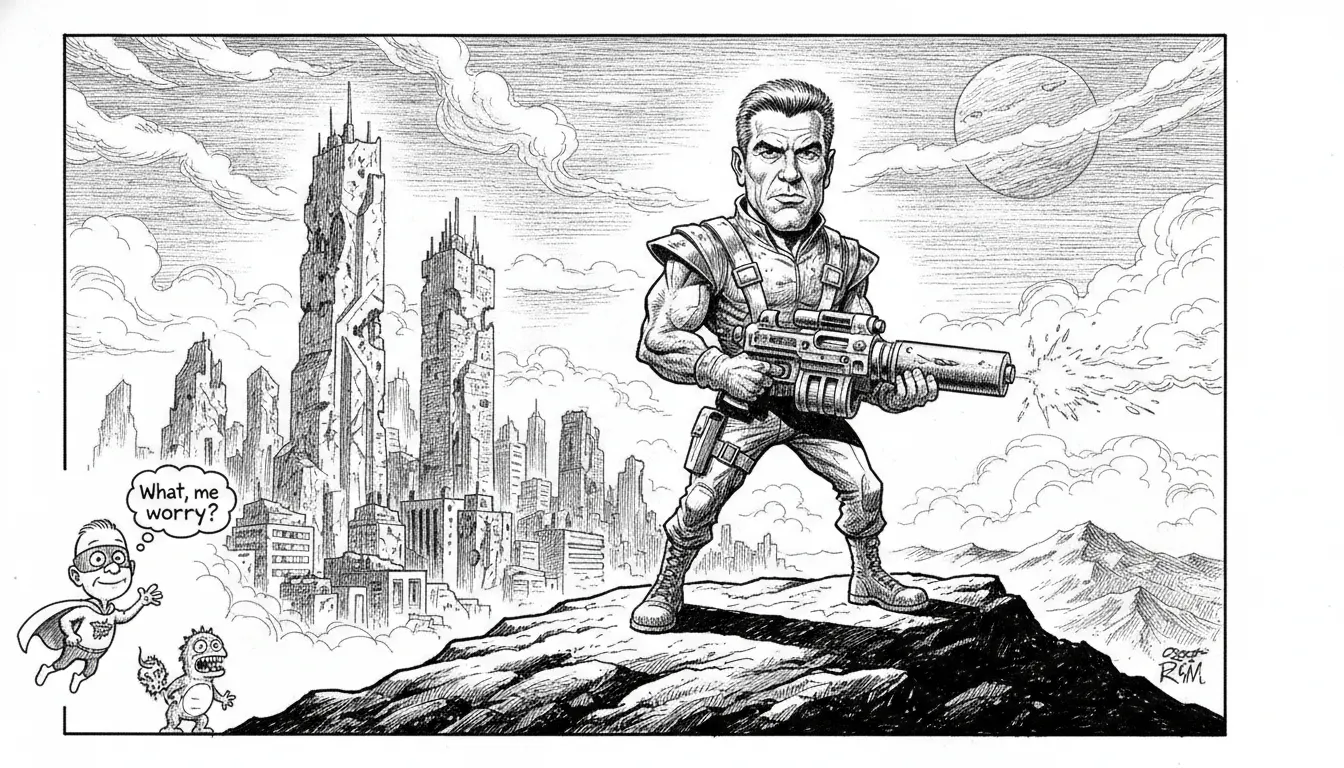
Mad #1
1952
Harvey Kurtzman's first issue, Humor in a Jugular Vein
MAD Magazine Mort Drucker satire. Caricatured celebrity likeness, hyper-detailed cross-hatch, gag panel margin doodles.
The moves a human crew would use to get here. Cue applies them for you, and knowing their names is how you ask for a change.
exaggerating the most distinctive facial features while maintaining likeness and costume accuracy
hatching and pen-and-ink rendering with dense tonal variation in portrait work
tiny wordless gag panels in the white space around main content
gap-toothed grinning idiot face as shorthand for blissful stupidity
to-panel continuity parody: reproducing the exact visual grammar of a film or comic and then subverting it
gags operating simultaneously
Founded by Harvey Kurtzman and William M. Gaines in 1952 as a ten-cent comic book under EC Comics, Mad became the dominant satirical publication in American popular culture for four decades, influencing every comedian, animator, and satirist who grew up reading it - from Steven Spielberg and George Lucas to Weird Al Yankovic and the creators of The Simpsons.
Kurtzman established the template in the original comic-book run (issues #1-23, 1952-1955): parodies of specific films, TV shows, and comics drawn in a hyper-expressive style that exaggerated every visual cue for comedic effect. The switch to magazine format (beginning with issue #24, 1955) expanded the format while preserving the core sensibility. The magazine never carried advertising, funded instead by cover price - a fact that gave it editorial freedom to savage the corporations and politicians that advertised everywhere else.
Mort Drucker (1929-2020) defined the magazine's visual identity for over four decades, contributing from 1956 onward. His movie and TV parodies - rendered in meticulous cross-hatched pen-and-ink with precise likeness caricature of every recognizable actor - set the standard for American editorial illustration caricature. Drucker could capture a celebrity's essence through exaggeration of their most distinctive features while maintaining a hyperrealistic rendering of costume, setting, and spatial depth that made the caricature legible. His parodies of The Godfather, Star Wars, Raiders of the Lost Ark, and hundreds of other films are considered among the finest caricature work of the century.
Alfred E. Neuman - gap-toothed, freckled, ears protruding, grinning idiotically beneath the motto "What, Me Worry?" - appeared on the cover from the mid-1950s through every iteration of the magazine until its final regular issue in 2019. The image was adapted from pre-existing advertising art; Kurtzman and Gaines claimed it had appeared in earlier advertising before being adopted by Mad.
Argentine-born cartoonist Sergio Aragonés has contributed margin doodles - tiny, wordless gag cartoons running in the white borders of the magazine's pages - continuously since 1963. These miniature drawings, rendered in a fluid, clean line, operate as a parallel visual track to the main content.
1952
Harvey Kurtzman's first issue, Humor in a Jugular Vein
1978
'Star Wars' parody, Mad #196
1973
'The Godfather' parody, Mad #155
1963
margin doodles, continuously from Mad #76
1956
sound-effects panels (KERSPLATT!, SPLOINK!) throughout 1956-1988
'The Lighter Side of...' recurring feature (1961-2002)
EC Comics-era horror parodies (1952-1955)
A Look is not a filter. It is a set of stored decisions the pipeline reads before it makes a single frame, so two videos in the same Look actually match.
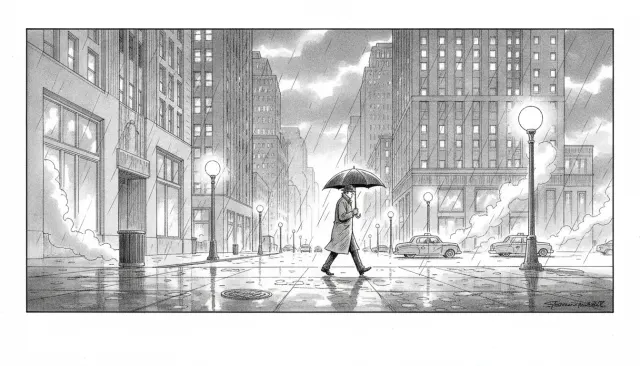 Editorial MagazineNew Yorker Cartoon Single Panel
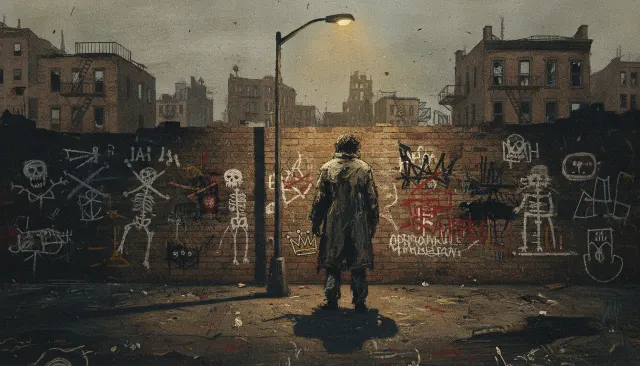 Pop And Street ArtBasquiat Graffiti Neo-Expressionism
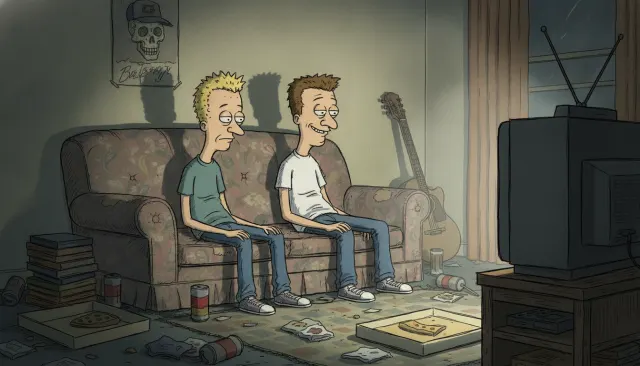 Adult Primetime ExpansionBeavis and Butt-Head MTV 90s
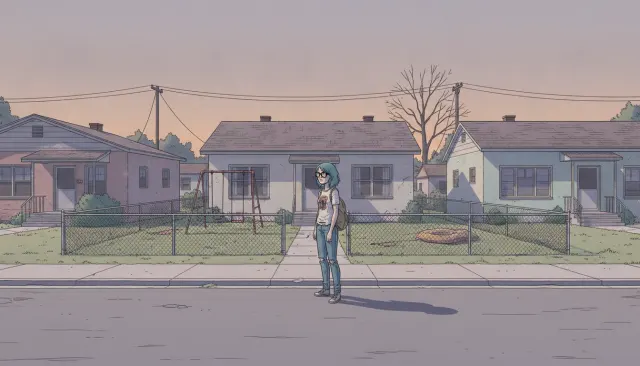 Illustrators ExtendedDaniel Clowes Deadpan Suburban Comic
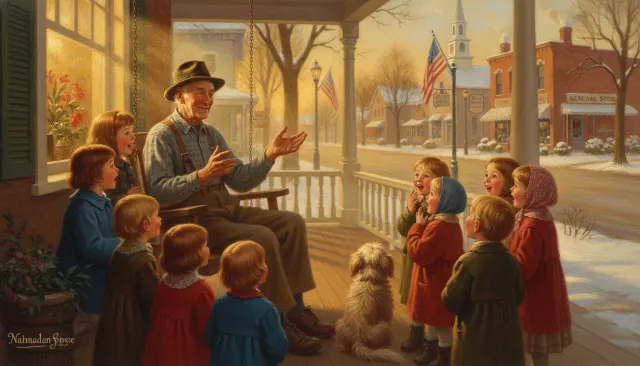 Illustrators NamedNorman Rockwell Americana Cover
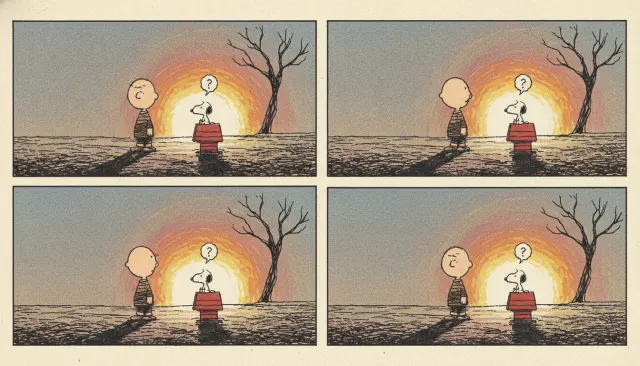 Illustrators ExtendedCharles Schulz Peanuts Minimalist Strip