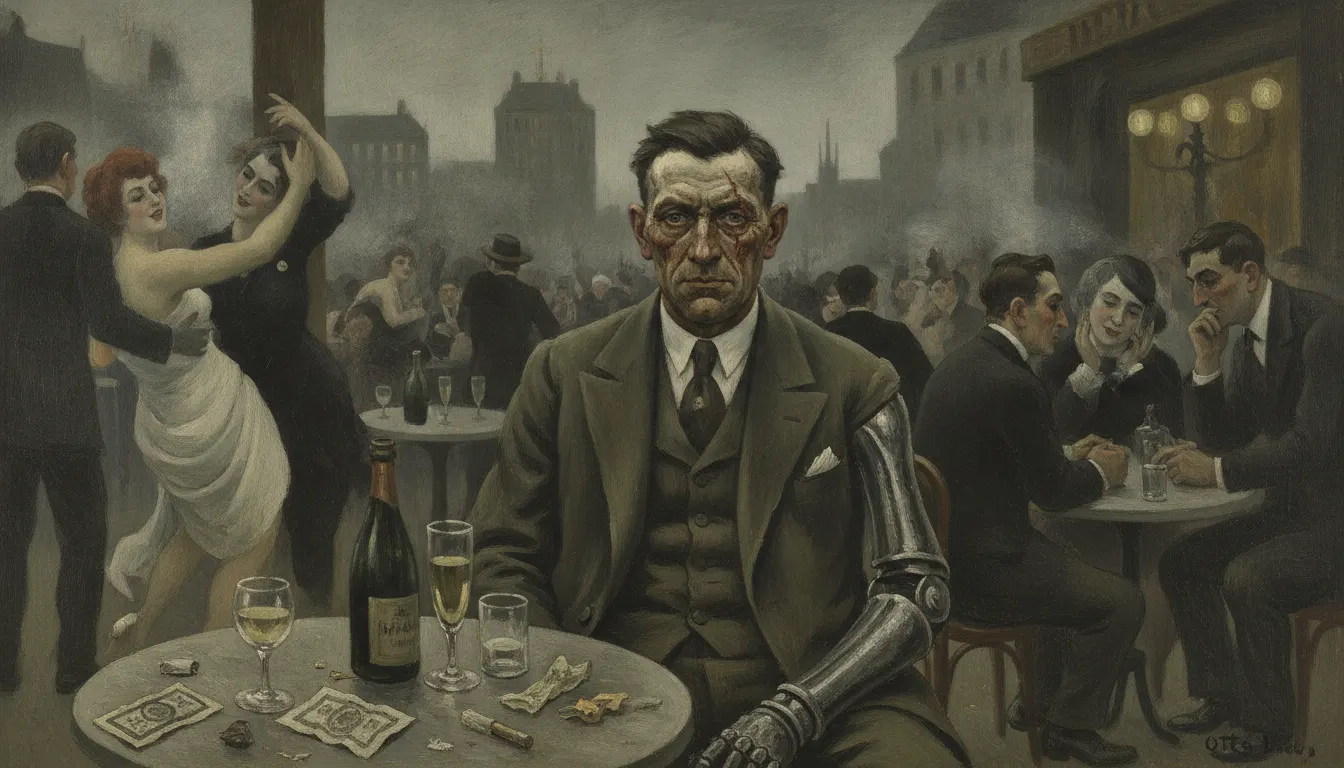
Otto Dix
Der Krieg (The War) triptych (1929-32) - Gemäldegalerie Neue Meister, Dresden
Otto Dix Neue Sachlichkeit New Objectivity. Cold unflinching Weimar Berlin portrait, scarred war veteran, decadent cabaret, unsentimental painter realism.
The moves a human crew would use to get here. Cue applies them for you, and knowing their names is how you ask for a change.
subjects painted with technical accuracy to emphasize their grotesque or degraded qualities
figures in the full glare of artificial or unforgiving light
facial features exaggerated just enough to function as caricature while maintaining photographic legibility
Iron Crosses, war wounds, luxury goods, and symbols of hypocrisy visible in compositions
streets and interiors populated with figures whose costumes and postures encode class and moral status
Neue Sachlichkeit (New Objectivity) emerged in the Weimar Republic between approximately 1918 and 1933 as a direct reaction against both the subjective distortion of Expressionism and the utopian optimism of movements like Bauhaus and Constructivism. Where the Expressionists distorted reality to externalize inner feeling, the Neue Sachlichkeit artists turned a cold, clinical, and often cruelly precise eye on the social reality of post-World War I Germany - the war wounded, the profiteers, the prostitutes, the politicians, and the starving.
Otto Dix (1891-1969) is the movement's most uncompromising figure. A veteran of World War I who served on the Western Front and witnessed some of the conflict's most catastrophic battles, Dix produced two landmark works directly confronting the war's aftermath.
Der Krieg (The War, 1929-1932) is a triptych and grisaille work in the tradition of German altarpieces: a central panel showing a devastated landscape of corpses, ruined trenches, and rotting flesh, flanked by panels of soldiers going to the front and returning as hollow-eyed survivors. The work was exhibited at the Galerie Neumann-Nierendorf in Berlin in 1932 and immediately attacked by the proto-Nazi press as defeatist. It is now at the Gemäldegalerie Neue Meister in Dresden.
Die Großstadt (Metropolis, 1927-28) is a three-panel work depicting Weimar Berlin: the outer panels show jazz-age nightlife - jazz musicians, dancing couples, and street prostitutes - while the central panel dissolves into a frenzied jazz band. The palette is simultaneously garish and sinister.
George Grosz (1893-1959) applied the same cold eye in ink and watercolor drawings rather than oil paint: satirical caricatures of Weimar politicians, military officers, industrialists, and clergymen that distorted their subjects far beyond observation into grotesque but psychologically precise accusation. Grosz was tried multiple times for blasphemy and obscenity and emigrated to the United States in 1933.
Curator Gustav Hartlaub, who organized the founding 1925 exhibition at the Kunsthalle Mannheim, divided the movement into two wings: the 'veristic' left (Dix, Grosz, Rudolf Schlichter) focused on social criticism, and the 'classical' right (Alexander Kanoldt, Georg Schrimpf) focused on cool, detached portraits and still lifes.
Der Krieg (The War) triptych (1929-32) - Gemäldegalerie Neue Meister, Dresden
Die Großstadt (Metropolis) triptych (1927-28) - Kunstmuseum Stuttgart
1926
Portrait of the Journalist Sylvia von Harden - Centre Pompidou, Paris
1926
Pillars of Society - Nationalgalerie, Berlin
1926
Eclipse of the Sun - Heckscher Museum, New York
1928
Portrait of Dr. Haustein - private collection
1924
Margot - Berlinische Galerie
The Night (1918-19) - Kunstsammlung Nordrhein-Westfalen, Düsseldorf
A Look is not a filter. It is a set of stored decisions the pipeline reads before it makes a single frame, so two videos in the same Look actually match.
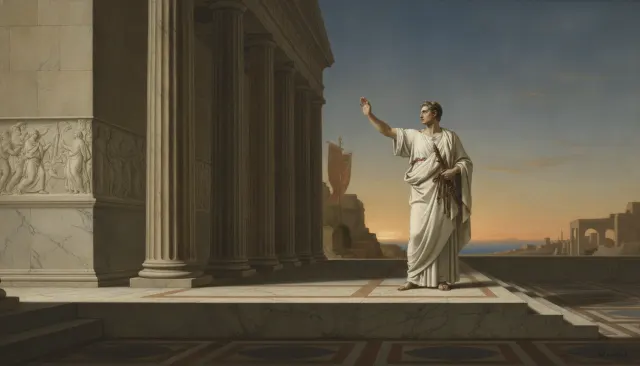 Art Movement ClassicalNeoclassical David
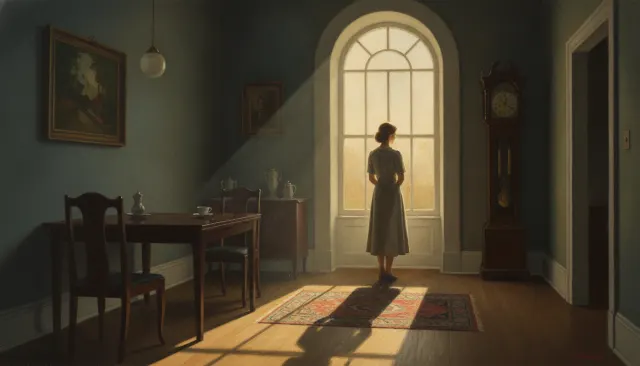 Art Movement ExtendedMagic Realism Painting Hopper Vermeer Modern
 Illustrators NamedMoebius Jean Giraud Sci-Fi Detail
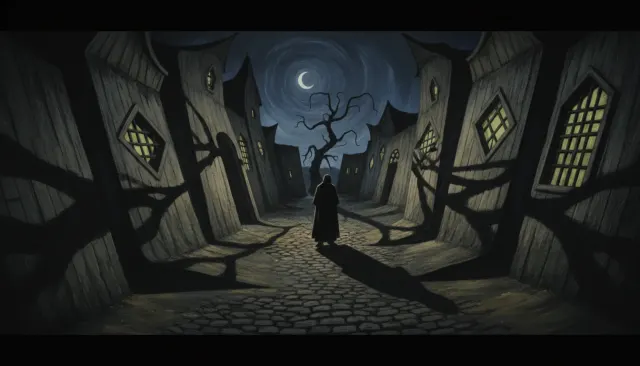 Cinema Era VintageGerman Expressionism Caligari 1920
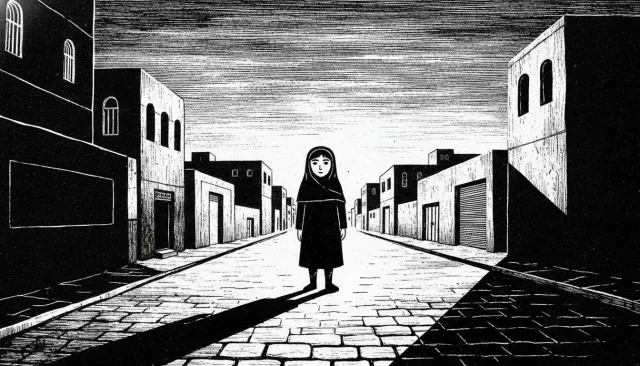 Illustrators ExtendedMarjane Satrapi Persepolis BW Thick Line
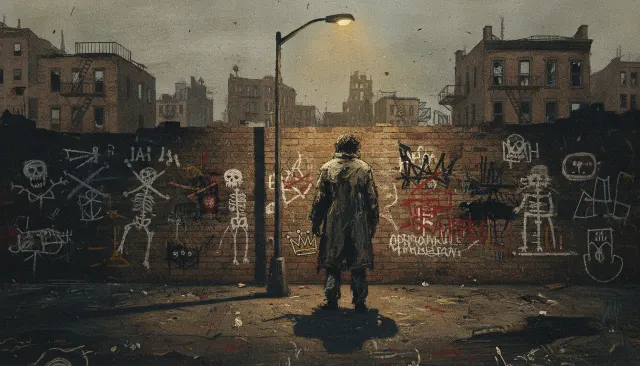 Pop And Street ArtBasquiat Graffiti Neo-Expressionism