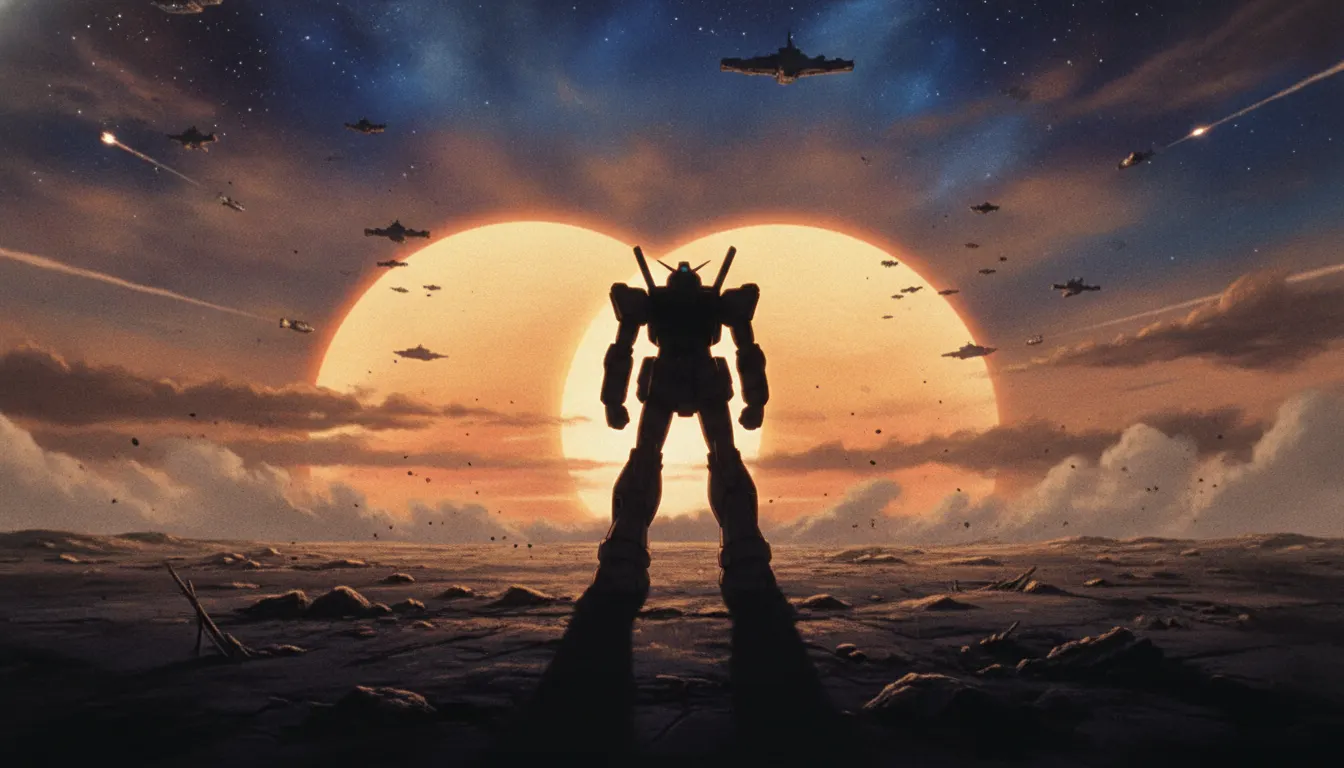
Mobile Suit Gundam
Sunrise / Yoshiyuki Tomino / Kunio Okawara · 1979
Originating series inventing the real robot genre and establishing the visual grammar of all Gundam properties
Classic 80s-90s Mobile Suit Gundam register. Sunrise Universal Century cel anime, hand-painted spacecraft, mobile-suit silhouettes, war-melodrama staging.
The moves a human crew would use to get here. Cue applies them for you, and knowing their names is how you ask for a change.
Mobile suit designs where every panel, vent, and joint appears to serve a plausible mechanical function -- creating visual credibility through implied engineering
Protagonist units assigned white/blue/red; antagonist forces use gray/green/dark tones; commander-grade units marked by red accents -- a visual military rank system
Background environments in olive drab, steel gray, and rust -- military tones that ground the fantastical mecha in a credible war context
Robot designs with visible panel seams and modular joint anatomy that reads as assemblable -- directly derived from Gunpla model kit construction logic
Cylindrical space colony interiors, asteroid fortresses, and orbital battle environments that established sci-fi space architecture conventions for the genre
The franchise's signature energy weapon effects: thin bright-green or pink beam traces, saber glow halos -- visual signatures replicated across 40 years of entries
Mobile Suit Gundam (1979, directed by Yoshiyuki Tomino, animated by Sunrise) invented the 'real robot' mecha genre, replacing the super robot aesthetic of predecessors like Mazinger Z (1972) and Getter Robo (1974) with militaristic, humanoid mobile suits that function as weapons technology rather than heroic totems. The visual grammar of Gundam -- angular mechanical designs, wartime color palettes, and a commitment to depicting war's human cost -- became the foundation for all serious mecha anime that followed.
Mecha designer Kunio Okawara's original Gundam designs established principles that persist across 40+ years of franchise entries: primary color identification (white/blue/red for the RX-78-2 Gundam), modular joint anatomy legible enough to be assembled as physical model kits (Gunpla), and a visual logic that suggests each part serves a functional military purpose even when that function is fictional. This 'hypothetical engineering' approach distinguishes real robot design from super robot design.
The original series' background environments use desaturated military tones: olive drab, steel gray, the rust-red of colony corridors. The mobile suits' brighter colors are tactical -- white and blue for visibility in space operations, red for commander-grade units (the Zaku II's Char's Custom red) -- embedded in the fiction as military logic. This grounded color system creates visual credibility that distinguishes Gundam from more fantastical mecha.
The original 1979 series' animation is by modern standards limited: held cels, recycled transformation sequences, and rough in-betweens. These limitations became aesthetically absorbed into the classic Gundam identity. The 2015 Gundam: The Origin OVA series (Yoshikazu Yasuhiko, original character designer, directing) achieved detailed modern animation quality while preserving the mechanical design proportions and wartime color palette.
The Universal Century timeline (1979's 0079 through Hathaway's Flash in 2021) maintains design consistency across 40 years. Analogous to Star Wars' ship design continuity, the Gundam visual language functions as a shared world-building grammar where mechanical designs carry chronological and political meaning.
Sunrise / Yoshiyuki Tomino / Kunio Okawara · 1979
Originating series inventing the real robot genre and establishing the visual grammar of all Gundam properties
Sunrise / Yoshiyuki Tomino · 1985
Darker sequel expanding the Universal Century politics and introducing transforming variable mobile suits
Sunrise / Takeyuki Kanda · 1996
OVA series with the most grounded, infantry-level Gundam combat and highest realism in unit tactical design
Sunrise / Yoshikazu Yasuhiko · 2015
Modern animation quality prequel OVA by the original character designer -- the visual benchmark for classic Gundam aesthetics rendered with contemporary craft
Sunrise / Shuko Murase · 2021
Theatrical film continuation with cinematic-quality animation and a nuanced political thriller visual register
Sunrise · 2013
Meta-series set in a world where Gunpla model kits battle, a self-aware celebration of the franchise's model-kit design legacy
A Look is not a filter. It is a set of stored decisions the pipeline reads before it makes a single frame, so two videos in the same Look actually match.
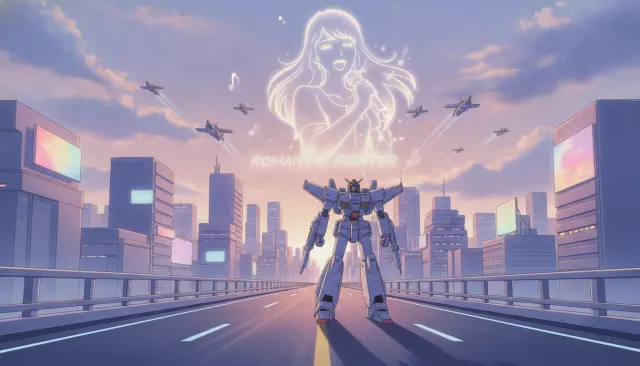 Era Classic Anime Expanded80s Macross Mecha Pastel
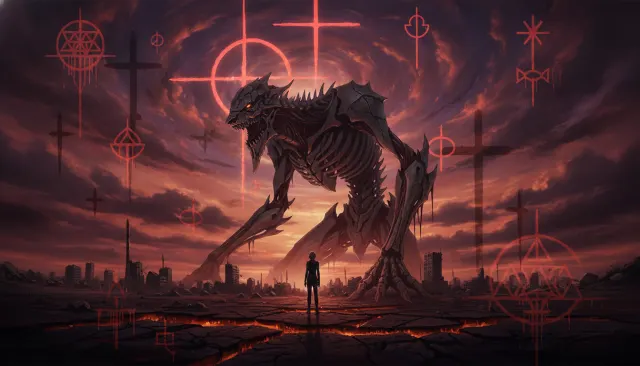 Studio Aesthetic ExpandedGainax Evangelion Mecha Mystical
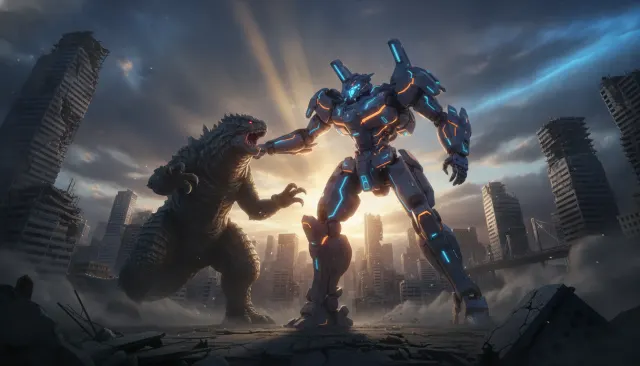 Subgenre Action DarkerMecha Modern Pacific Rim Uprising Anime
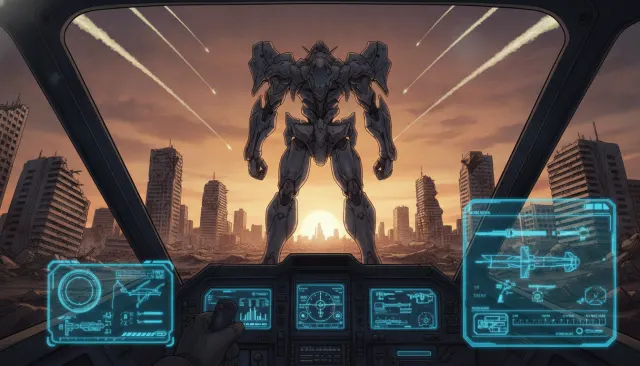 Subgenre MechaGundam Mecha Detailed
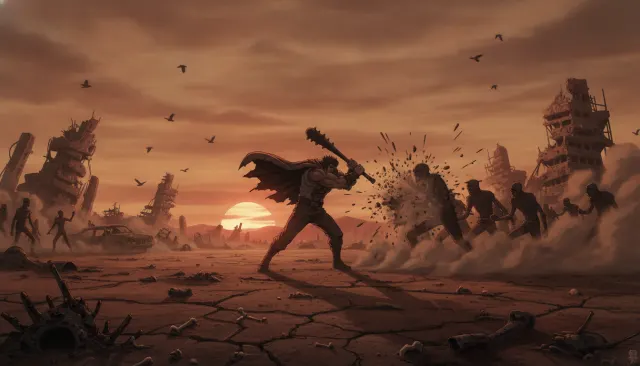 Subgenre Action DarkerPost-Apocalyptic Fist of the North Star
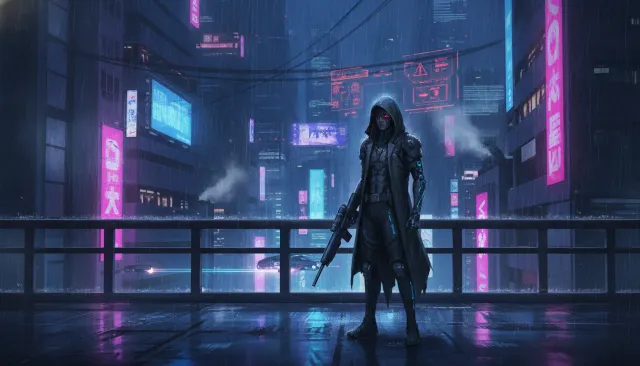 Subgenre Action DarkerCyberpunk Anime Akira Modern