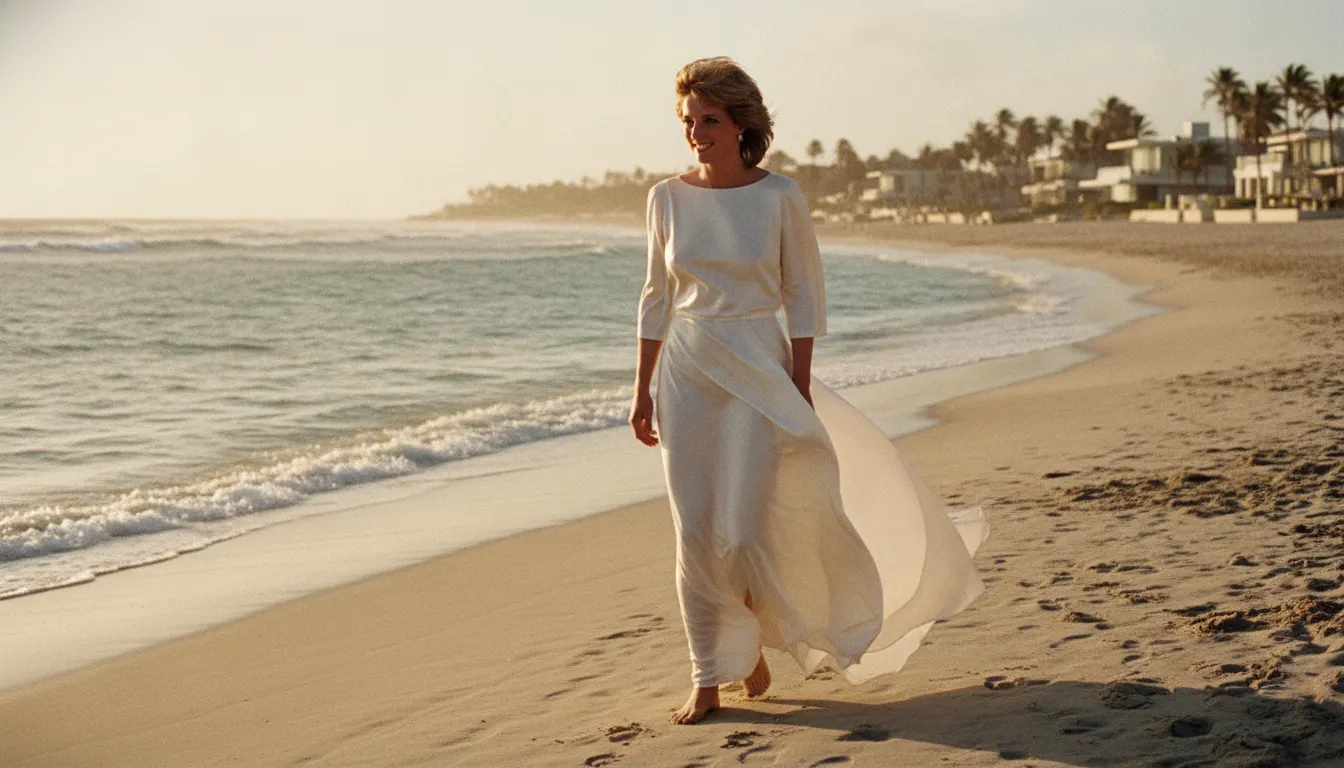
Princess Diana, Kensington Palace
Vanity Fair, 1997
Mario Testino y2k celebrity glam. Lady Diana White House gown, sun-kissed beach editorial, Princess Diana Vanity Fair, accessible luxury.
The moves a human crew would use to get here. Cue applies them for you, and knowing their names is how you ask for a change.
box key light positioned slightly above and in front of subject to create an even glow without hard shadows
tone grading: amber push in highlights and mids, often pulling blue out of shadows
looking retouching that retains skin texture - luminous, never plastic
135mm) for flattering facial geometry and background compression
Mario Testino (born Lima, Peru, 1954) became the defining portrait and fashion photographer of the celebrity era, his images inseparable from the idea of glamour itself. Shooting for British and American Vogue, Vanity Fair, GQ, and advertising campaigns for Gucci, Burberry, and Versace, Testino built a visual language that made subjects look simultaneously aspirational and warmly human.
The most famous session of his career remains the 1997 Vanity Fair shoot with Princess Diana at Kensington Palace, just months before her death. In those images - Diana laughing, relaxed, stripped of formality - Testino captured something no palace photographer had managed: intimacy at full glamour wattage. The warmth and ease he drew from subjects became his calling card.
Testino favors large, soft front-fill light that wraps around the face and eliminates unflattering shadows without flattening dimensionality. His color palette runs warm: skin tones pushed toward golden amber, backgrounds often creamy or sun-drenched. The lens is typically moderate telephoto (85-135mm equivalent), maintaining natural facial proportions while compressing background detail into smooth bokeh. Post-processing retains visible texture in skin - luminous but not airbrushed to plastic - giving the final image a sense of real presence within the fantastical.
Through the late 1990s and 2000s, Testino's Vogue covers defined what 'fashion photograph' meant to a mass audience. His shoots with Kate Moss, Jennifer Lopez, Madonna, Gisele Bundchen, and the British royal family turned editorial into event. His retrospective Let Me In (2007) and exhibition at the National Portrait Gallery London consolidated his art-world standing alongside his commercial reach.
Testino's warm-glamour approach contrasts sharply with the cooler, more architectural look of contemporaries like Steven Meisel or the raw naturalism of Peter Lindbergh. His work sits closest to Herb Ritts in its warmth and subject comfort, but is more overtly opulent.
Vanity Fair, 1997
retrospective monograph, 2007
A Look is not a filter. It is a set of stored decisions the pipeline reads before it makes a single frame, so two videos in the same Look actually match.
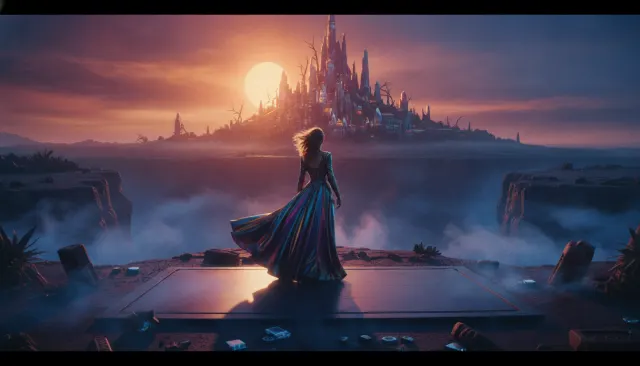 Fashion EditorialAnnie Leibovitz Celebrity Portrait
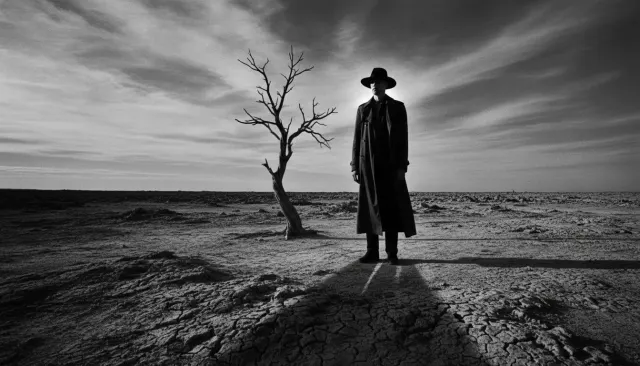 Mv DirectorAnton Corbijn BW High Contrast
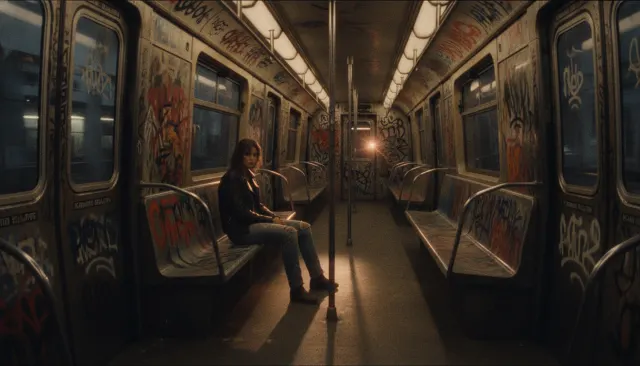 Street PhotographyBruce Davidson Subway Flash
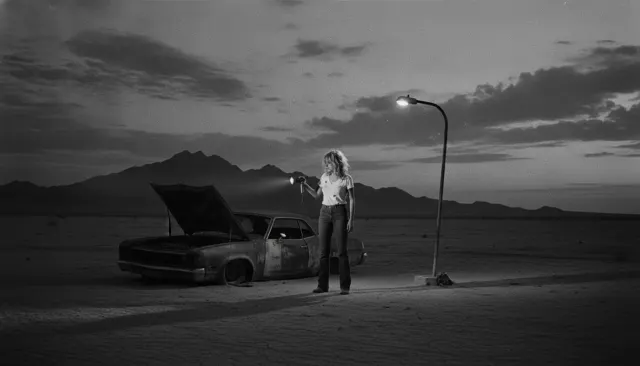 Photographers Fine ArtCindy Sherman Conceptual Portraiture
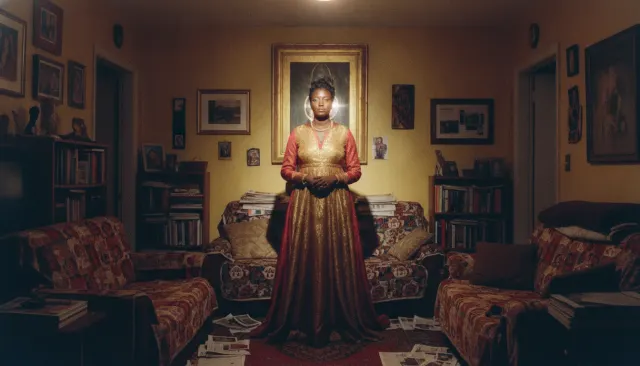 Photographers Color ModernDeana Lawson Staged Color Portrait
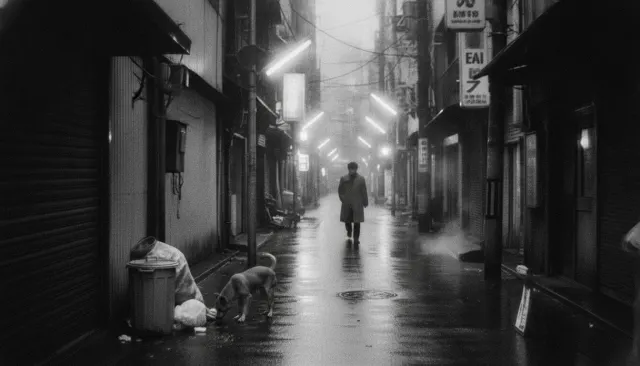 Street PhotographyDaido Moriyama BW Grain Japan