W. Eugene Smith
Country Doctor (Life, 1948): 28-image narrative essay
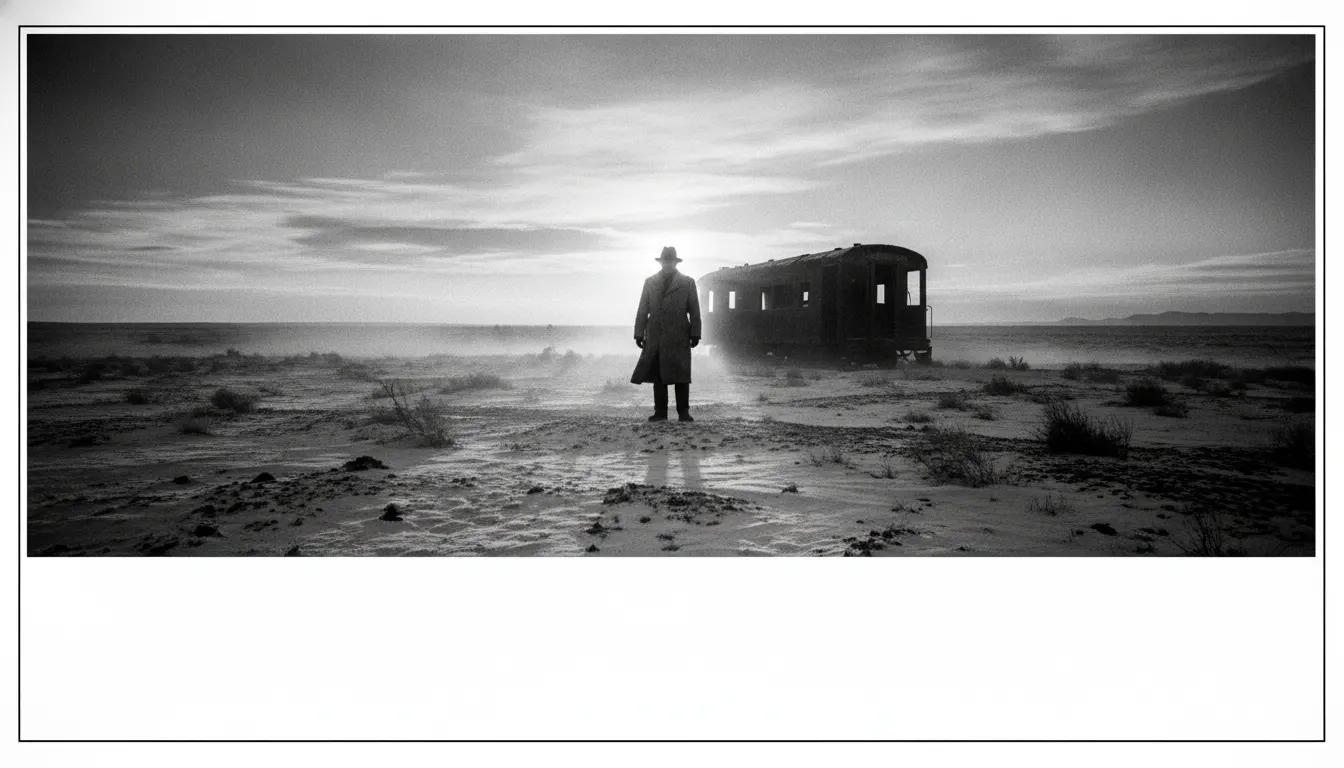
Life magazine photo essay spread aesthetic. Margaret Bourke-White and W. Eugene Smith photojournalism, full-bleed bw photo, caption-driven storytelling layout.
The moves a human crew would use to get here. Cue applies them for you, and knowing their names is how you ask for a change.
photographs set large (often full-bleed double page) with text subordinate
one dominant opener, supporting frames at quarter, half, and full page
each spread carries emotional momentum from the previous
Life magazine, published weekly from 1936 to 1972 by Henry Luce's Time Inc., invented the modern photo essay format. Its large-format pages (10.5 x 14 inches) gave photographers and art directors an unmatched canvas, and the magazine's circulation - over eight million weekly at its peak in the late 1960s - made it the most powerful vehicle for photojournalism ever created.
The defining design principle was image primacy. Photography ran large - often full-bleed across two pages - with captions kept minimal and body text subordinate. Art director Bernard Quint and later Bernard Quint's successors developed a layout grammar: a dominant opener image (often full double-page), followed by a sequence of supporting frames at varied scales, using the grid as a rhythmic device rather than a rigid cage. White space was used strategically to give major images room to breathe. The masthead's clean sans-serif wordmark (red on white) and the magazine's red border became globally recognized marks.
W. Eugene Smith's essay Country Doctor (1948) established the narrative photo essay as a literary form - 28 photographs following Dr. Ernest Ceriani over 23 days in Kremmling, Colorado. Alfred Eisenstaedt's V-J Day in Times Square (1945) ran as a single image that defined the magazine's power. Gordon Parks shot The Restraints: Open and Hidden (1956), his landmark essay on segregation. Margaret Bourke-White's images from the liberation of Buchenwald (1945) confronted readers with realities no text could fully carry. Robert Frank, Larry Burrows (Vietnam), John Dominis, and Carl Mydans all produced canonical work in its pages.
The photo essay spread is characterized by: a range of image scales from quarter-page to full double-page bleed; consistent caption typography in a small italic serif below or alongside each image; section headers in larger bold serif or sans-serif; text columns that serve the pictures rather than compete with them; and a strong sequence logic where each spread builds on the previous one's emotional momentum.
After the weekly edition ended in 1972, Life continued as a monthly and special-edition format. Its design language lives on in long-form photojournalism, the magazine documentary tradition, and the editorial layout conventions of National Geographic, Time, and contemporary publications like The New York Times Magazine.
Country Doctor (Life, 1948): 28-image narrative essay
V-J Day in Times Square (Life, August 1945)
Buchenwald liberation photos (Life, May 1945)
The Restraints: Open and Hidden (Life, 1956)
Vietnam War essays (Life, 1962-1971)
assignments for Life before The Americans (1955-1958)
A Look is not a filter. It is a set of stored decisions the pipeline reads before it makes a single frame, so two videos in the same Look actually match.