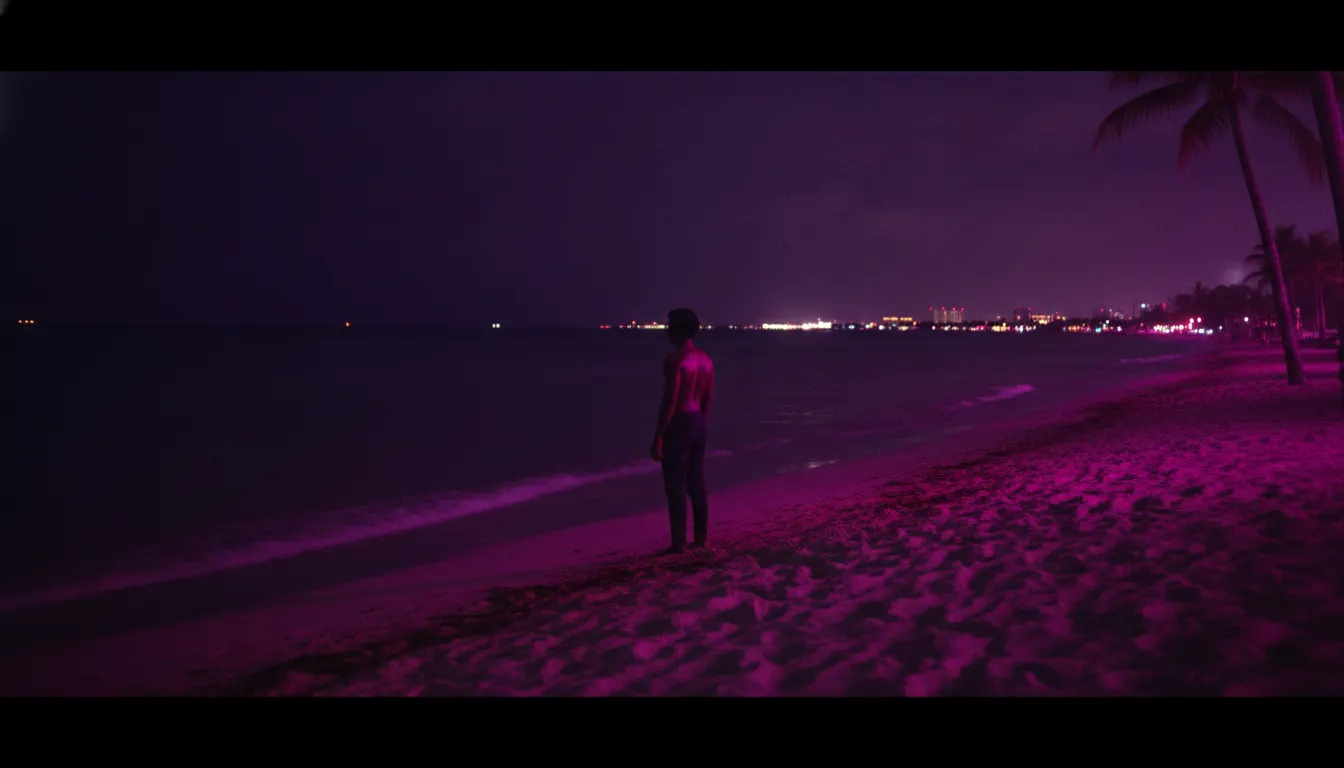
Moonlight
James Laxton / Barry Jenkins · 2016
Academy Award Best Picture winner - Miami purple-night palette, chromatic skin reverence, breathing handheld intimacy
James Laxton Moonlight chromatic skin. Barry Jenkins Miami night, purple-magenta beach, ARRI Alexa fluorescent neon, Black skin lit with reverence.
The moves a human crew would use to get here. Cue applies them for you, and knowing their names is how you ask for a change.
Ambient night light graded toward purple-magenta rather than neutralized to white balance, amplifying Miami's sodium-vapor street character.
Warm orange-amber key light separates subject from background while a cool cyan rim adds luminous edge definition to dark skin tones.
Fluid handheld camera movement tracks subjects at intimate distance with an organic breathing rhythm that suggests emotional proximity.
Wide aperture primes throw Miami neon and street lights into soft circular bokeh circles of purple, teal, and orange behind subjects.
Color grade preserves luminous detail in the brightest areas of dark skin rather than clipping to white, creating full tonal range.
Extreme close-up on wet or sweat-damp dark skin with directional backlight creates a tactile luminous quality in key intimate scenes.
James Laxton's cinematography for Barry Jenkins's Moonlight (2016) is the most celebrated example of chromatic skin-tone photography in contemporary American cinema. The film won the Academy Award for Best Picture at the 89th Oscars (in the infamous envelope mixup with La La Land), and Laxton received an Academy Award nomination for Best Cinematography - recognition for a visual approach that had never been photographed quite this way before.
Moonlight is set entirely in Miami, and Laxton's color strategy was driven by a specific observation: Miami at night has a distinct chromatic character unavailable in other American cities. The combination of sodium vapor streetlights (now largely replaced, but present in the film's 1980s-1990s period setting), fluorescent storefronts in Cuban and Haitian immigrant neighborhoods, neon signage from motels and diners, and the ambient glow of a coastal city produces a unique purple-magenta quality in ambient night light. Laxton amplified this ambient quality rather than correcting it - choosing to grade toward the purple-magenta end of the spectrum rather than neutralizing it to a conventional white balance.
The cinematographic ethics of Moonlight were as significant as its aesthetics. American cinema has a long history of lighting dark skin inadequately - using exposure values and lighting ratios designed for lighter skin tones and leaving Black subjects underexposed, underlit, and visually subordinate. Jenkins and Laxton made an explicit commitment to the opposite: Black skin would be lit with more care, more fill, and more luminosity than any other element in the frame. The skin tones in Moonlight - glistening with ocean water or Miami humidity, lit with a warm key and cyan rim, grade to a luminous, detail-rich rendering that makes the faces of Chiron, Kevin, and Paula radiant rather than merely present.
The camera was an ARRI Alexa Mini, operated with a smooth handheld float - not the shaky handheld of vérité documentary but a fluid, almost breathing movement that tracks close to subjects in intimate moments. The lens package included 35mm and 75mm primes at relatively wide apertures (f/2.0-2.8), providing a depth of field that keeps faces in sharp focus while the environment behind them falls into a soft, chromatic blur. The combination of smooth floating camera and shallow depth creates the subjective sensation of being in intimate proximity to the subjects - the cinema equivalent of emotional closeness.
Laxton and Jenkins extended the Moonlight palette into their second collaboration, If Beale Street Could Talk (2018), an adaptation of James Baldwin's 1974 novel. The Harlem interiors used warm amber firelight keys against cool blue-tinted walls, creating a more historically specific version of the chromatic skin reverence. The couple's tactile intimacy was photographed in extreme close-up - hands on faces, foreheads touching - with the camera maintaining the same breathing proximity.
James Laxton / Barry Jenkins · 2016
Academy Award Best Picture winner - Miami purple-night palette, chromatic skin reverence, breathing handheld intimacy
James Laxton / Barry Jenkins · 2018
Harlem amber-and-blue interior extension of the Moonlight skin-reverence methodology
James Laxton / Barry Jenkins · 2021
Historical drama extending Laxton-Jenkins visual grammar to antebellum America
James Laxton / Barry Jenkins · 2008
The pre-Moonlight debut - low-budget SF apartment drama with an early version of the chromatic intimate style
Karyn Kusama / Trey Edward Shults · 2019
Comparable chromatic night-Florida cinematography demonstrating the Southern suburban neon grammar
Marcell Rev / HBO · 2019
Autumn Durald Arkapaw's euphoria neon grammar sharing DNA with Laxton's chromatic night approach
Christian Sprenger / Donald Glover / FX · 2016
Atlanta night exterior photography demonstrating the Southern urban chromatic tradition Moonlight crystallized
A Look is not a filter. It is a set of stored decisions the pipeline reads before it makes a single frame, so two videos in the same Look actually match.
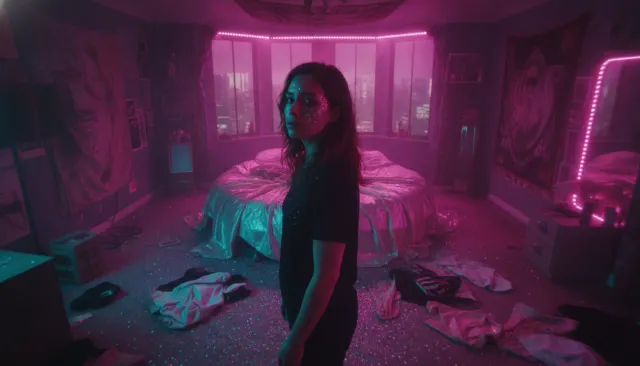 Cinematographer AcclaimedAutumn Durald Arkapaw Euphoria Neon
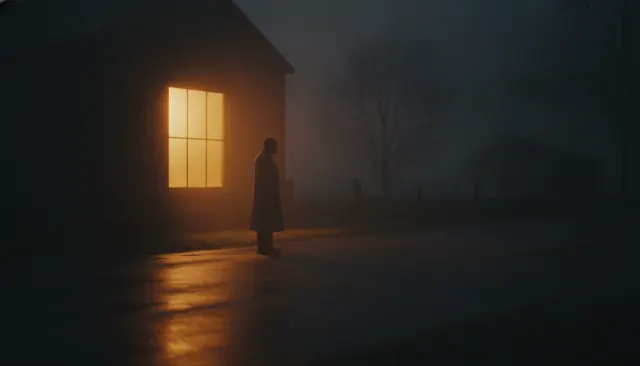 CinematographerBradford Young Shadows
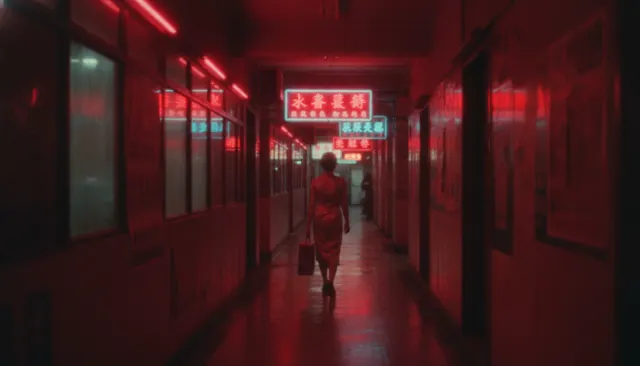 Director AestheticWong Kar-wai Saturated Grain
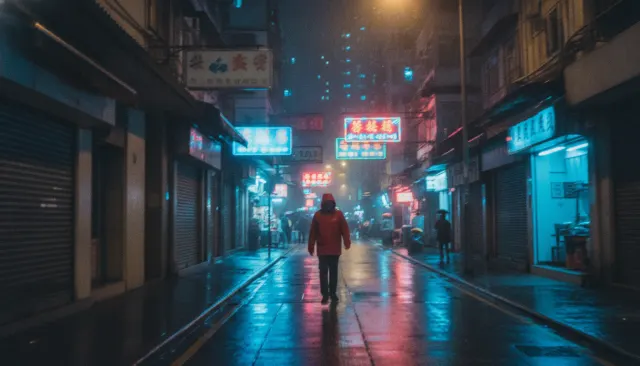 CinematographerChristopher Doyle Handheld
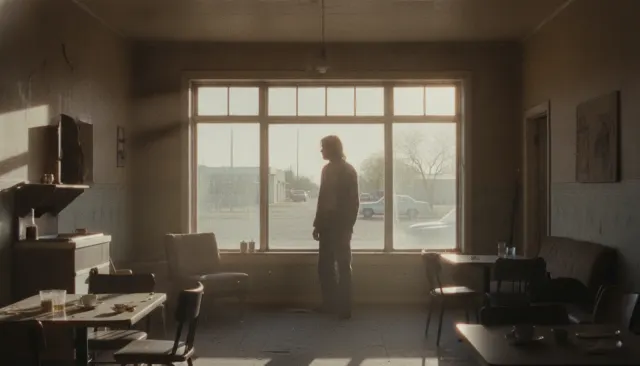 Cinema EraIndie 90s Sundance
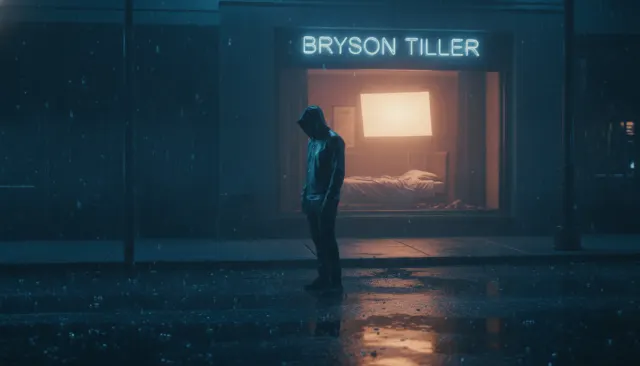 Genre Hiphop RbLate Night RB Baby Blue Neon
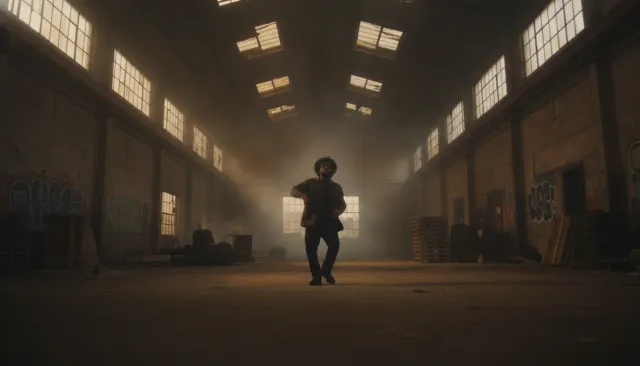 Mv DirectorHiro Murai Childish Gambino Painterly