FAMILY3D ANIMATIONSUBFAMILYCOMIC INFLUENCED 3DERACONTEMPORARYREGIONUSA

Into The Spider-Verse Detail

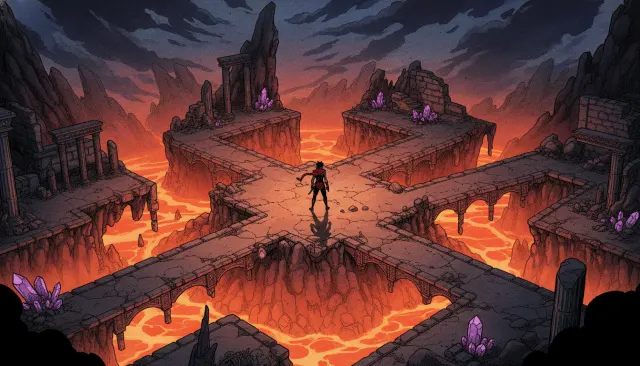
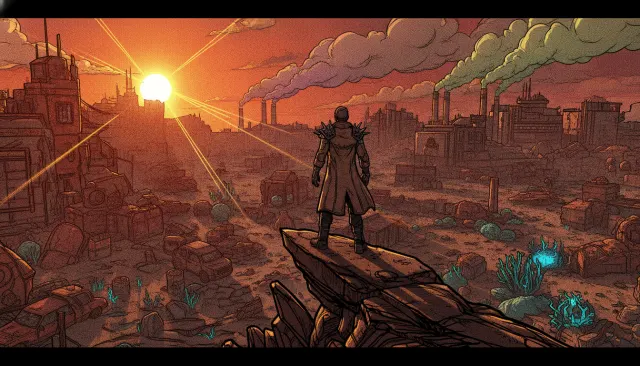
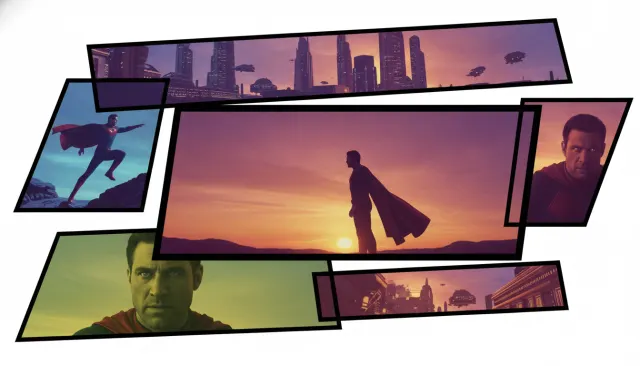
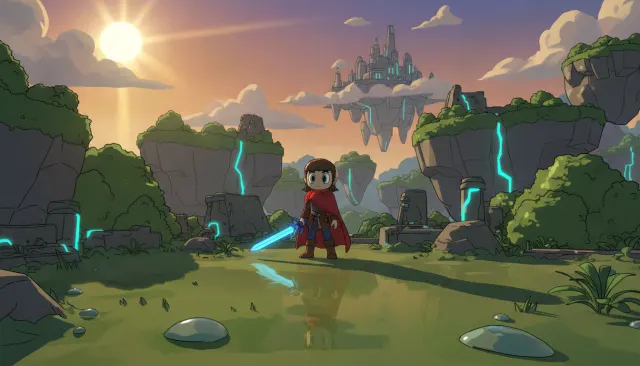
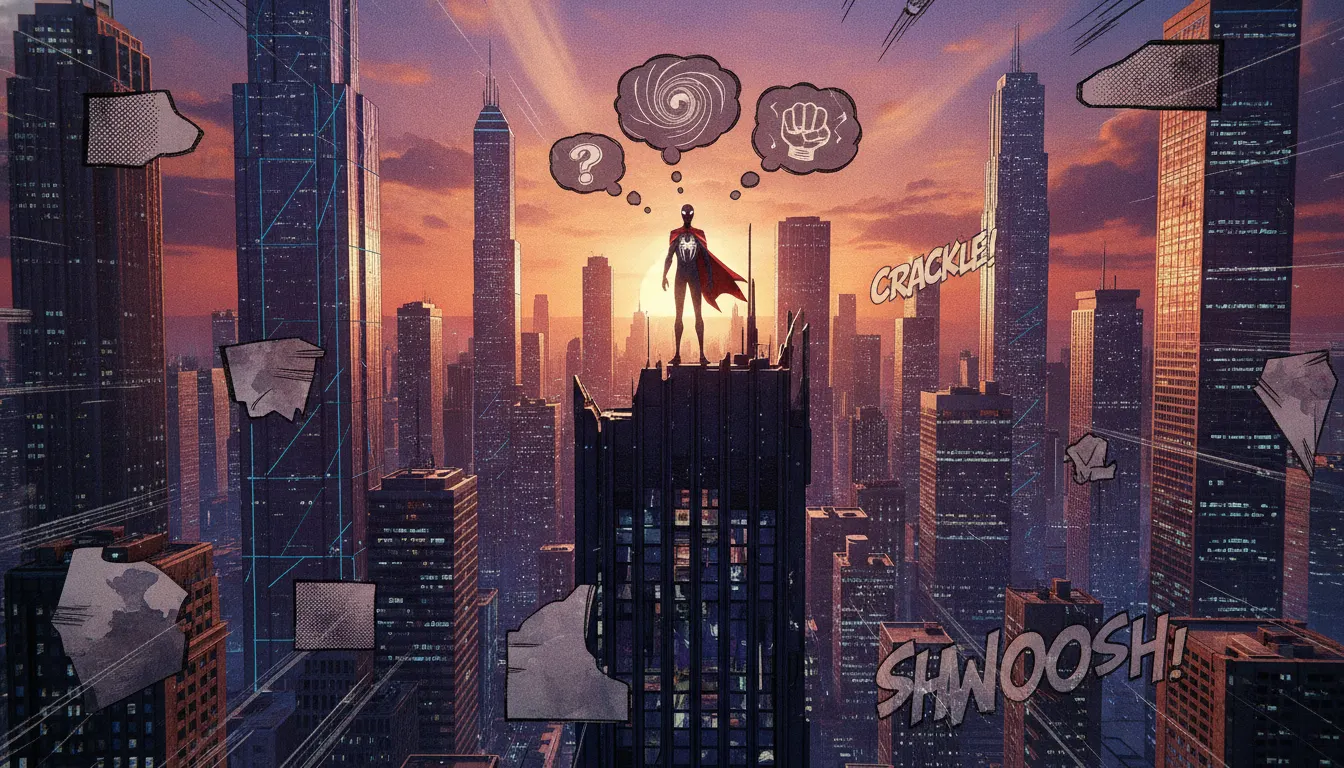
Into the Spider-Verse detailed comic-3D. Thought-bubble overlays, sound-effect lettering, multi-style frame mixing.

comic-detailsound-effect-letteringhybridkinetic

Samples

Samples pending

Visual reference frames for this look are being generated.

When to use
  • Comics adaptation announcements, superhero brand content, or fan art-adjacent creative where the printed-page aesthetic honors the source medium
  • Youth and teen-facing content (12-25) where the Spider-Verse aesthetic carries strong cultural cachet post-2018
  • Music video or concert content wanting a visual language that fuses graffiti, printmaking, and animation into a cohesive style
  • Gaming trailers or interactive media adjacent to comic book IP where the halftone-3D hybrid signals medium-awareness
  • Content about New York City, urban youth culture, or hip-hop-adjacent creative where Miles Morales's Brooklyn visual vocabulary resonates
When not to use
  • Photoreal or naturalistic content where Ben-Day halftones and smear frames are tonally wrong
  • Corporate or enterprise content where the comic-book visual register is incongruous with professional tone
  • Young children's content where the visual complexity and fast cutting can be overstimulating
  • Content requiring geographic or cultural neutrality -- the aesthetic is strongly coded to urban American comics culture

Signature techniques

  • 01
    Ben-Day halftone shadow patterning โ€” Offset printing dot patterns composited into shadow zones on 3D character forms, recreating the physical look of mass-produced comic book printing
  • 02
    Irregular variable-weight outline โ€” Hand-mimicking stroke quality on character outlines with deliberate weight variation around each form, rejecting the clean vector precision of standard 3D toon rendering
  • 03
    Animate-on-twos in a 24fps world โ€” Characters animated at 12fps effective frame rate while camera and environment operate at 24fps, creating deliberate temporal dissonance between character and world
  • 04
    Intentional smear frames โ€” Single-frame extreme deformation on fast motion deliberately reintroduced from 2D animation practice as a stylistic identity marker rather than a production compromise
  • 05
    Per-universe visual style parameters โ€” Across the Spider-Verse assigns each character a distinct 1,000-parameter visual grammar: watercolor wash for Gwen, spray paint for Miles, hard geometric for Miguel
  • 06
    2D line overlay on 3D geometry โ€” Hand-drawn energy effects, impact marks, and environmental textures composited as 2D cel layers over 3D rendered base, requiring artists to animate in both systems simultaneously

History & context

Into the Spider-Verse Detail

Sony Pictures Animation's Spider-Man: Into the Spider-Verse (2018, directors Bob Persichetti, Peter Ramsey, and Rodney Rothman, producers Phil Lord and Christopher Miller) and its sequel Across the Spider-Verse (2023, directors Joaquim Dos Santos, Kemp Powers, and Justin K. Thompson) represent the most technically innovative animated feature aesthetic since Who Framed Roger Rabbit. The films invented a new visual language that is simultaneously the most cinematic and the most comics-accurate animation ever produced.

The Halftone-3D-Line Hybrid

Spider-Verse's core breakthrough was creating a 3D CGI world that feels like a physical comic book page rather than a digital simulation. This required layering three distinct visual systems: 3D geometry with customized toon shaders; 2D hand-drawn line overlays for energy effects, impact marks, and environmental detail; and halftone dot and Ben-Day screen patterns in shadow areas referencing offset printing processes. Character outlines use an irregular, slightly wobbly stroke that varies in weight around each form, mimicking a human artist's line rather than a computed vector.

Offset Frame Rate and Intentional Smear

One of Spider-Verse's most radical decisions was to animate on twos (every other frame at 24fps) while using the 3D world to do camera moves at full 24fps. This creates a deliberate temporal dissonance -- the characters feel like they exist at a different time-resolution than the world they inhabit. Smear frames (single-frame extreme stretches used in 2D animation for fast motion) were reintroduced as a deliberate stylistic choice rather than a budget compromise.

Multi-Verse Visual Differentiation

Across the Spider-Verse pushed the concept further by assigning each Spider-person a distinct visual grammar: Miles Morales uses urban spray-paint texture and hip-hop graphic design; Gwen Stacy's watercolor-wash world references pastel zine aesthetics; Miguel O'Hara's Alchemax future uses hard-edged geometric fills. The production tracked individual scene styles using a per-character style guide with over 1,000 distinct parameters.

Production Scale

Spider-Verse required Sony Pictures Imageworks to develop entirely new rendering software. The production hired over 140 artists across three years for Into the Spider-Verse; Across the Spider-Verse scaled to six years of combined development with over 1,000 people contributing.

Miles Morales as Visual Identity

Miles Morales's visual vocabulary -- Afro-Latino Brooklyn, hip-hop culture, graffiti, sneakers, Air Jordans, the specific light of New York at night -- is not incidental to the Spider-Verse aesthetic but constitutive of it. The production designers and color artists, led by Dean Gordon and Justin K. Thompson, built the visual system from Miles's cultural identity outward. This is why Miles's universe reads as spray-paint and graffiti while Gwen's reads as watercolor and pastel -- the character's cultural identity generates the aesthetic logic, rather than the aesthetic being applied to the character from outside.

Academic and Industry Impact

Spider-Verse's technical papers, presented at SIGGRAPH 2018, documented the production's custom rendering pipeline and were immediately influential in the industry. The specific paper on their NPR system -- covering the variable-width outline, Ben-Day dot implementation, and animate-on-twos dissonance -- became required reading in animation programs globally. Phil Lord has described the film as a manifesto: a demonstration that CG animation had more aesthetic possibilities than the Disney-Pixar naturalism that dominated the medium.
Notable works

Spider-Man: Into the Spider-Verse

Sony Pictures Animation / Phil Lord / Christopher Miller / Bob Persichetti / Peter Ramsey / Rodney Rothman(2018)

Academy Award Best Animated Feature; invented the halftone-3D-line hybrid aesthetic and animate-on-twos approach

Spider-Man: Across the Spider-Verse

Sony Pictures Animation / Joaquim Dos Santos / Kemp Powers / Justin K. Thompson(2023)

Sequel extending the system with per-universe visual parameters and over 1,000 production contributors

The Mitchell vs the Machines

Sony Pictures Animation / Phil Lord / Christopher Miller(2021)

Spiritual successor from the same producers using custom 2D-over-3D overlay system developed from Spider-Verse

Puss in Boots: The Last Wish

DreamWorks Animation / Joel Crawford(2022)

DreamWorks' response to Spider-Verse's cultural impact, using anime-influenced smear frames and expressive stylization

Teenage Mutant Ninja Turtles: Mutant Mayhem

Paramount / Jeff Rowe(2023)

Hand-drawn sketch texture and loose animation style directly inspired by Spider-Verse's permission to reject CGI polish

Spider-Man: Beyond the Spider-Verse

Sony Pictures Animation(TBD)

Announced third film expected to further develop the per-universe visual parameter system

Aesthetic recipe

The exact knobs the renderer turns to produce this look.

Palette
Primary
#E8243C
Secondary
#7A1A24
Accent
#F2C744
Text/Light
#1F0810
Text/Dark
#FFEAC8
BG 900
#0A0510
BG 800
#1A0820
Typography
Display
Anton
Body
Inter
Mono
JetBrains Mono
Music moods
hip-hop-beat-droporchestral-hybrid
Transition

panel cuts at 140ms, linear

Ken Burns

Static frames

Grade LUT

spider-verse-detail

Generate a video in the Into The Spider-Verse Detail look

Into the Spider-Verse detailed comic-3D. Thought-bubble overlays, sound-effect lettering, multi-style frame mixing.