Harper's Weekly Civil War illustrations (Winslow Homer)
Winslow Homer (illustrator), Harper's Weekly · 1861-1865
The most important documentary wood-engraving work in American history; Homer's visual reportage from the Union Army
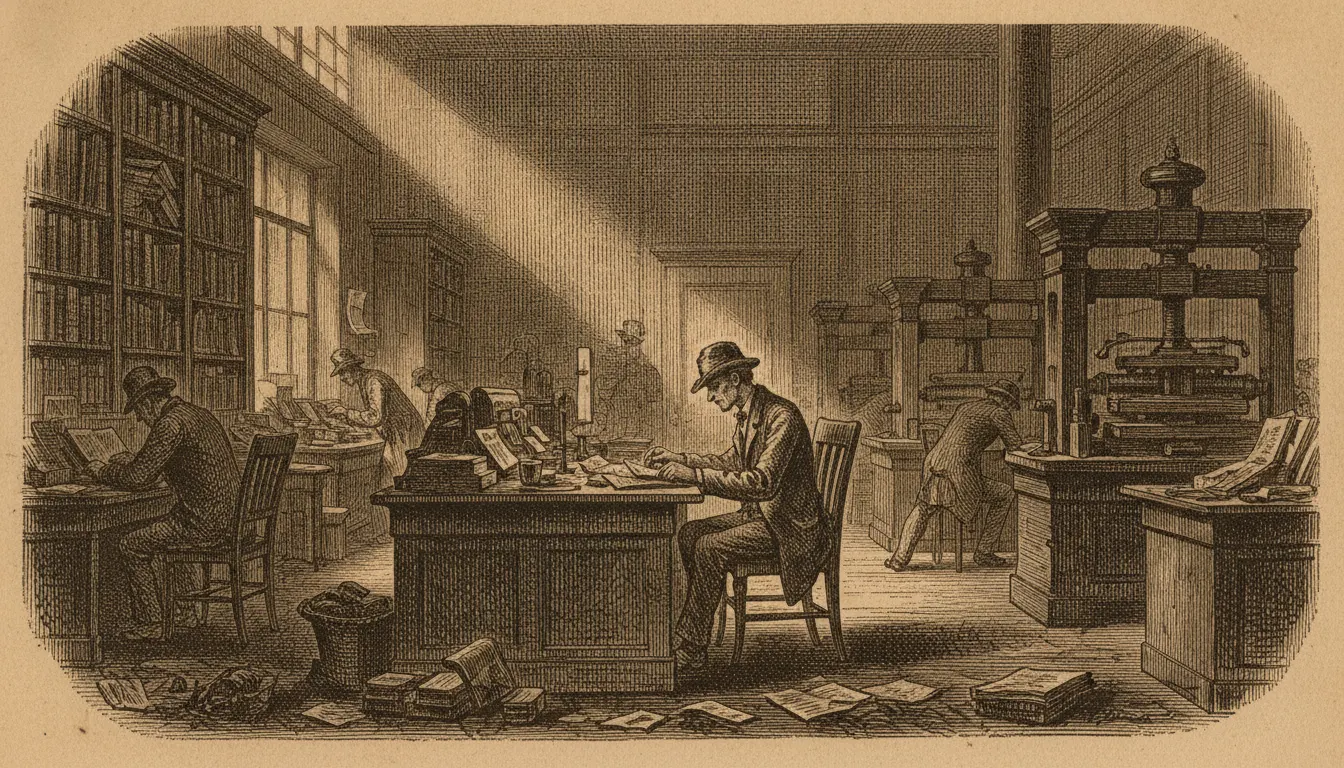
Harpers Weekly 1880s wood-engraved illustration. Hatched newsroom-quality figure, etched detail, sepia paper.
The moves a human crew would use to get here. Cue applies them for you, and knowing their names is how you ask for a change.
Fine parallel lines varying in width and spacing convey the full tonal range from highlight to shadow - closer, thicker lines for dark; widely spaced fine lines for light.
Multiple layers of parallel hatching in different directions build up deep shadow areas, the direction changes creating a dense but structured texture.
In dark areas, fine white lines are incised by removing wood rather than cutting into it, creating highlights and texture within shadow zones.
Regularly or irregularly spaced dots suggest middle tones and soft transitions unavailable to pure line hatching.
Figure groupings, perspectival staging, and tonal organization borrowed from 19th-century academic painting, adapted to the constraints of print reproduction.
The printability of wood engravings depended on strong tonal contrast; the aesthetic is characterized by rich blacks and clear whites with a structured middle range.
Harper's Monthly Magazine (founded 1850, published by Harper & Brothers, New York) was the most widely circulated American periodical of the second half of the 19th century, and its wood-engraved illustrations defined the visual culture of literate America before photomechanical reproduction made photographs printable in periodicals around 1880-1890.
Harper's and its competitors - Scribner's Monthly, The Century Illustrated Monthly Magazine, Frank Leslie's Illustrated Newspaper - relied on wood engraving as their primary image-reproduction method from roughly 1850 to 1890. The process: an artist drew an image on a prepared boxwood block; a team of specialist engravers cut the drawing into the wood with fine burins and gravers; the block was locked into a letterpress forme with the type and printed simultaneously with the text.
The visual properties of wood engraving are distinct from later photographic reproduction: fine parallel lines varying in width and density convey tone; cross-hatching in multiple directions produces shadow; dot patterns suggest middle tones; white line (incised lines on a dark ground) creates highlights and textures. The total tonal range achievable was substantial, but the marks always retained the visible quality of hand-cut lines, giving wood engravings a texture that photographic reproduction eliminated.
Key illustrators working for Harper's included Winslow Homer (1836-1910), whose Civil War illustrations for Harper's Weekly from 1861-1865 are among the most important documentary images of the conflict, and who learned his draftsmanship in the demanding context of wood engraving. Thomas Nast (1840-1902) used Harper's Weekly for his political cartoons - his caricatures of Boss Tweed, his Santa Claus illustrations, and his elephant and donkey symbols for the Republican and Democratic parties. Edwin Austin Abbey (1852-1911) illustrated historical and literary subjects.
The century magazine illustration tradition extended into the 1890s through the work of A.B. Frost (rural American genre), Charles Stanley Reinhart, and Howard Pyle (1853-1911), whose Brandywine School students - including N.C. Wyeth, Maxfield Parrish, and Harvey Dunn - carried the tradition into the 20th century.
The Harper's engraving aesthetic: fine-line tonal modeling; visible mark quality (the specific texture of cut wood); high contrast between deep blacks and clean whites; compositional organization borrowed from academic painting conventions; and a tonal range that, despite the limited mark vocabulary, could suggest atmospheric depth, textile texture, and nuanced facial expression.
The aesthetic is strongly associated with gravitas and historical authority in contemporary usage - it signals reliability, age, and serious intent.
Winslow Homer (illustrator), Harper's Weekly · 1861-1865
The most important documentary wood-engraving work in American history; Homer's visual reportage from the Union Army
Thomas Nast, Harper's Weekly · 1869-1886
Boss Tweed caricatures, Santa Claus, Republican elephant and Democratic donkey - all originating as wood engravings
A.B. Frost, Harper's Monthly · 1874-1900
American rural life in engraved illustration; influential on the subsequent tradition of American genre illustration
Howard Pyle, scribner's / Harper's · 1903
Pyle's pen-and-ink (engraving-derived) technique applied to medieval subjects in The Story of King Arthur
Various engravers · 1881-1906
Harper's competitor; the complete 19th-century American illustrated magazine engraving tradition in a single archive
Various (staff engravers) · 1855-1904
News-oriented engravings at high volume; the speed-engraving process developed to meet weekly publication deadlines
A Look is not a filter. It is a set of stored decisions the pipeline reads before it makes a single frame, so two videos in the same Look actually match.
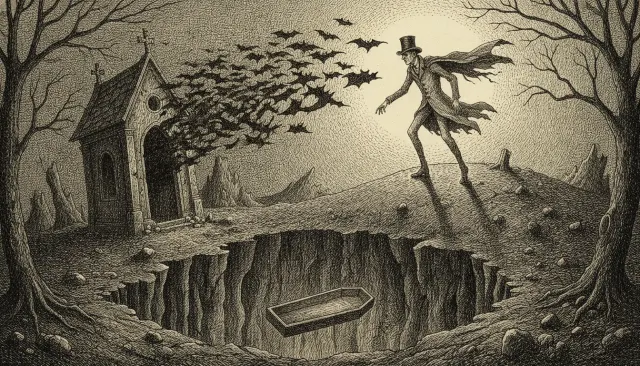 Illustrators NamedEdward Gorey Spooky Cross-Hatch
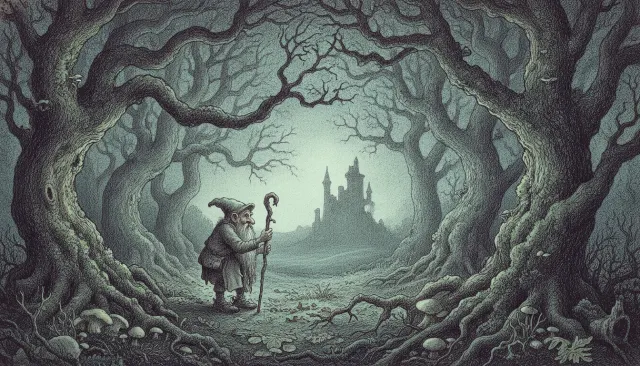 Medieval VictorianEdwardian Illustration Pen Ink
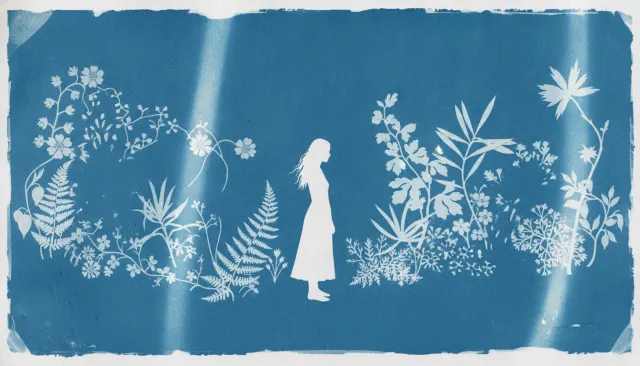 Vintage Formats ExtendedCyanotype Blue Print Historical
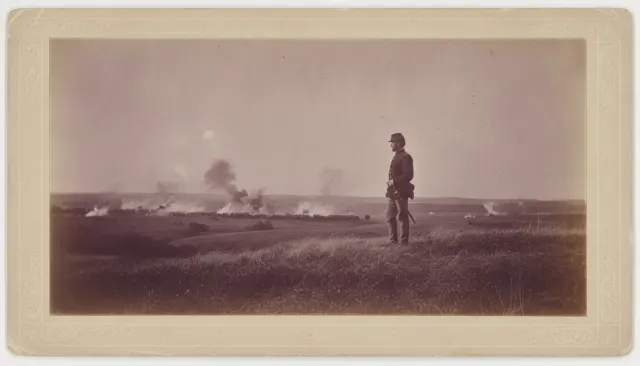 Vintage Formats ExtendedAlbumen Print 1860s Portrait
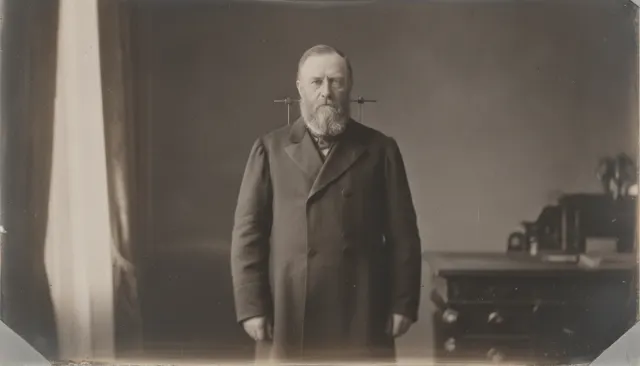 Photographic EraDaguerreotype 1840s Portrait
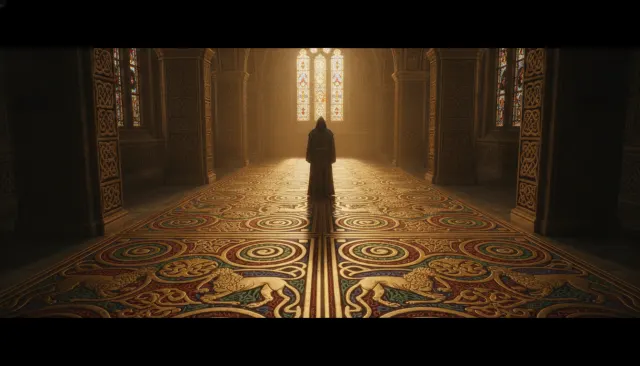 Historical Illuminated ExtendedBook of Kells Celtic Illuminated