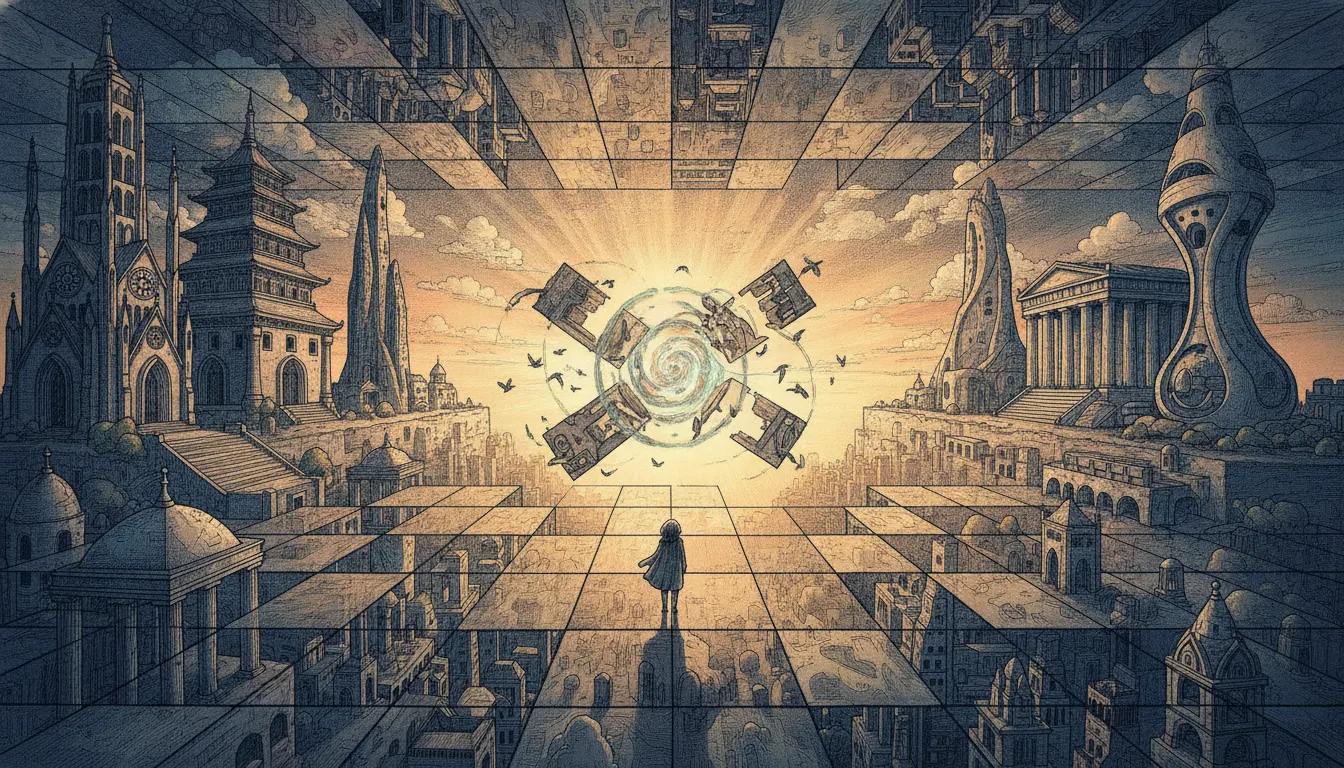
Gorogoa (Jason Roberts / Annapurna Interactive, 2017)
the defining reference
Gorogoa Jason Roberts hand-illustrated puzzle aesthetic. Detailed ink-pen architecture, tile-rearrange storytelling, dreamlike narrative without dialogue.
The moves a human crew would use to get here. Cue applies them for you, and knowing their names is how you ask for a change.
author illustration consistency: every element drawn by the same hand over years
paper palette: warm whites, sepia, selective jewel-color accents for narrative emphasis
visual spaces that exist in multiple panels simultaneously at different scales
section and elevation drawing conventions from architecture and natural history illustration
everyday objects and architectural fragments from different contexts combined into new spaces
movement achieved through classical frame-by-frame drawn transitions rather than 3D
Gorogoa (Jason Roberts, 2017 - developed from approximately 2012, published by Annapurna Interactive) is one of the most singular artistic achievements in independent games. Every image in the game was hand-drawn by Jason Roberts alone over approximately six years, creating an interconnected illustrated world that exists in a unique visual register between graphic novel, children's book illustration, architectural drawing, and surrealist collage.
Unlike virtually any other contemporary game, every piece of artwork in Gorogoa was created by one person. Roberts' illustration style draws from multiple Western European graphic art traditions - the architectural precision of Gustave Doré, the narrative density of Moebius (Jean Giraud), the contemplative quality of Art Nouveau decorative illustration, the painterly depth of 20th-century children's book illustration. The consistency of a single artistic hand gives the world a coherence that collaborative game development struggles to achieve.
Roberts has a background in game design but drew on architectural and natural history illustration traditions for Gorogoa's visual vocabulary. Buildings are drawn with floor-plan-like accuracy modified for visual poetry. Botanical elements - flowering vines, trees in cross-section, root systems - have the detailed beauty of Victorian natural history plates. This combination of architectural precision and organic natural forms creates the game's distinctive tense beauty.
The gameplay is inseparable from the visual approach: four panels arranged in a two-by-two grid can be rearranged, nested, zoomed into, and connected in ways that feel like illustrations assembling themselves into new meanings. A doorway in one panel aligns with a doorway in another; a path in one panel continues through a zoomed section of another. This visual puzzle logic could only work with the hyperdetailed, consistent illustration style Roberts created.
The palette is deliberately muted - aged paper whites, warm sepia-adjacent tones, selective use of gold and jewel colors for narrative emphasis. This restraint, unusual in games competing for attention with bright saturated UI, gives Gorogoa a contemplative reading quality closer to holding an illustrated book than playing a game.
the defining reference
single-author philosophical indie game context
single-author illustrated investigation game peer
hand-illustrated paper-fold puzzle game adjacent
illustrated intimate game narrative parallel
visual illustration precedent
single-author graphic novel artistic parallel
A Look is not a filter. It is a set of stored decisions the pipeline reads before it makes a single frame, so two videos in the same Look actually match.
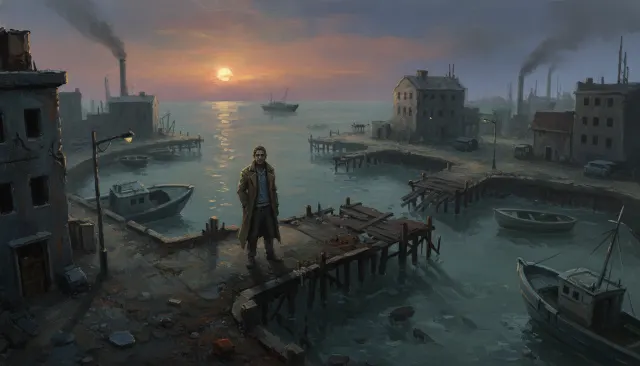 Indie StylizedDisco Elysium Painted RPG
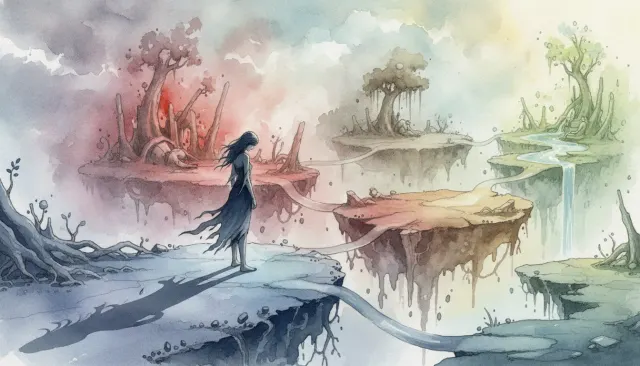 Indie StylizedGris Watercolor Platformer
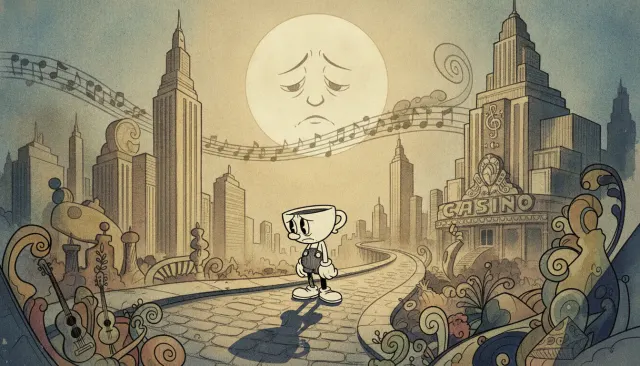 Indie StylizedCuphead 1930s Rubber Hose
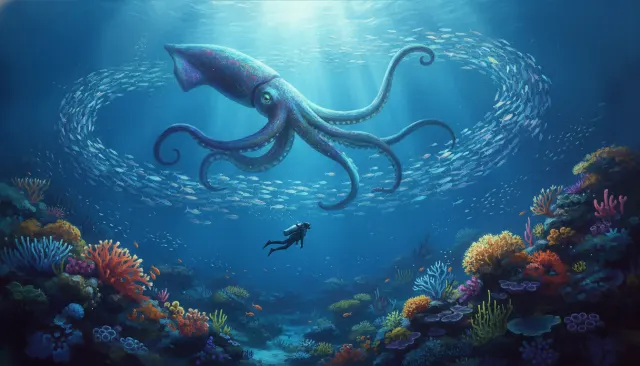 Indie StylizedAbzu Painterly Underwater
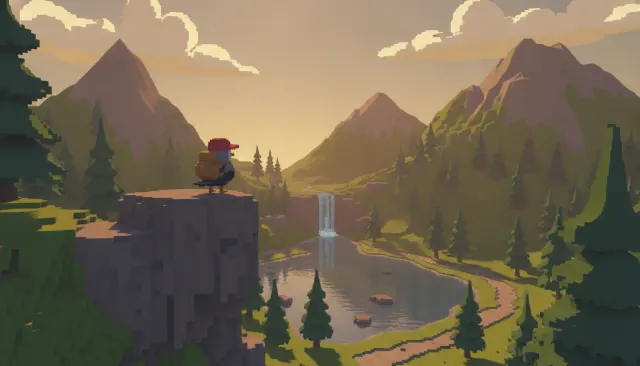 Indie ModernA Short Hike Painterly Pixel
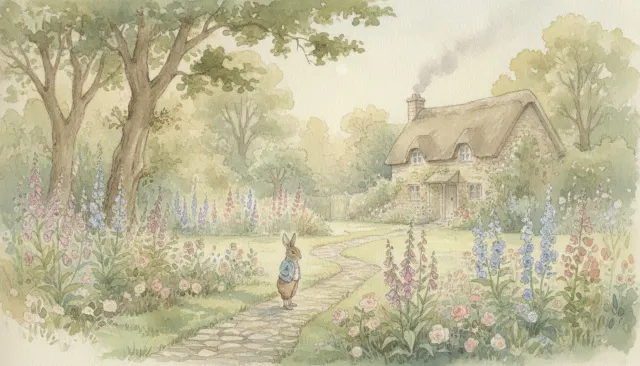 Childrens BookBeatrix Potter Watercolor Storybook
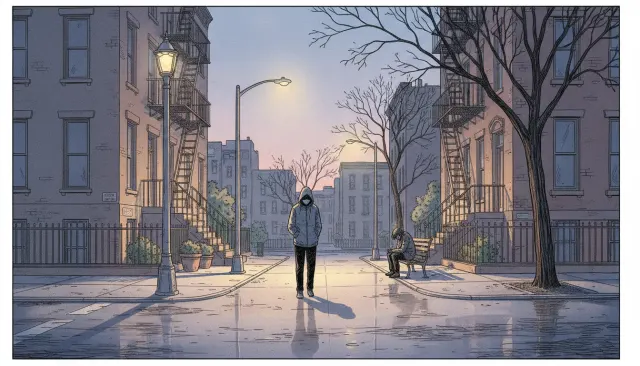 Illustrators ExtendedAdrian Tomine Clean Graphic Novel