GRIS (Nomada Studio, 2018)
the defining reference
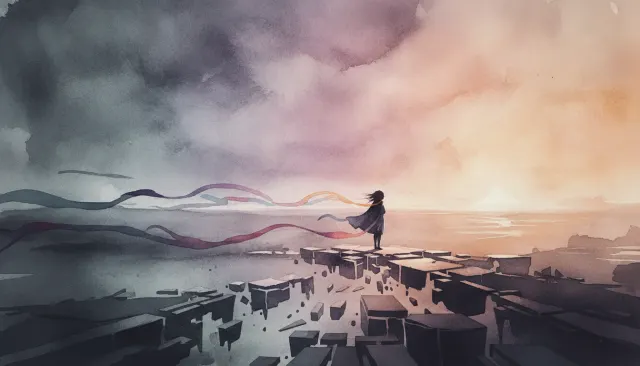
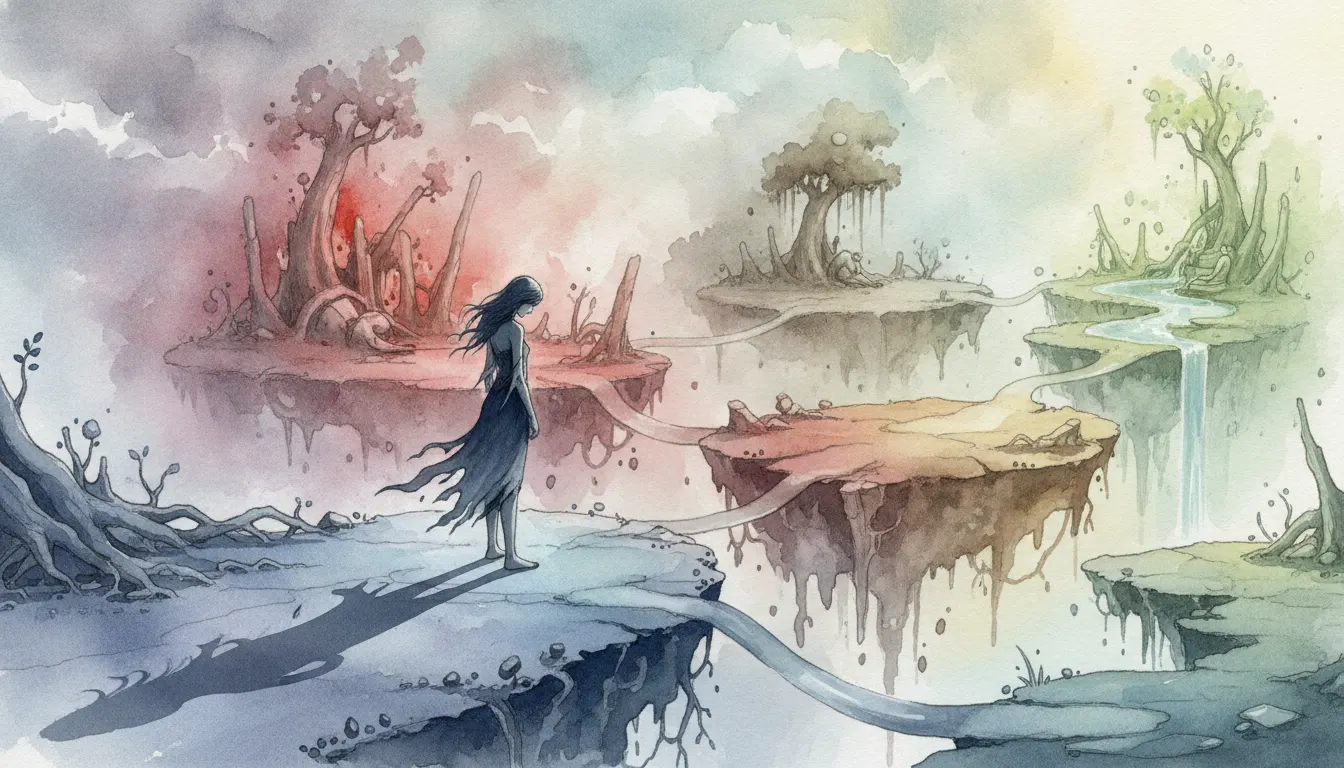
GRIS Nomada Studio watercolor platformer aesthetic. Conrad Roset hand-painted aquarelle, grief-stages color reveal, contemplative emotional traversal.
The moves a human crew would use to get here. Cue applies them for you, and knowing their names is how you ask for a change.
to-color progression: world begins desaturated; color reintroduced as emotional restoration milestones
wet-edge bloom, pigment layering, paper grain as system properties not decoration
environments transform at story beats
no fully saturated colors, always mixed toward warmth or coolness with restraint
musical harmonic shifts synchronized with visual color and environmental changes
GRIS (Nomada Studio, 2018) established a new visual reference point for painterly indie games and has been cited by developers, art directors, and animation studios as a key influence on how illustration-derived visual language can function in interactive contexts. This entry focuses on the watercolor platformer dimension of the look: specifically how GRIS translates traditional watercolor media conventions into real-time game visuals.
The difference between GRIS and games that use watercolor-style backgrounds is that GRIS uses watercolor properties as systematic design logic. Color transparency and layering - fundamental to real watercolor - determines how environmental planes layer visually. Wet-edge bloom - the darkening at the boundary of a watercolor wash as pigment accumulates - is recreated in how environment elements meet each other. These are not decorative textures but simulated material behaviors.
The game opens in a world completely desaturated - warm grey, cool grey, near-black, white. This greyscale state is both emotionally appropriate (representing grief and numbness) and technically elegant: it makes the subsequent color introductions maximally impactful. The first touch of red - appearing in environmental elements before the first major color restoration - is a genuinely moving visual event because of the contrast built by extended greyscale.
The environments in GRIS function as psychological spaces as much as game levels. Enormous ruined statues of women, collapsing architectural fragments, vast empty spaces between platforms - the scale and subject matter communicate a specific emotional state. This is environmental design as grief poetry, and the watercolor rendering technique is essential to how that poetry reads: photorealism would be too literal; pure pixel art too nostalgic; the painterly quality allows emotional rather than literal reading.
The protagonist Gris's movement animations were designed to feel like continuous illustration - no mechanical jank, every transition fluid and graceful. The animation budget prioritized cloth physics, hair movement, and emotional gesture over combat responsiveness (there is no combat). This animation priority - graceful illustration over functional precision - is consistent with the watercolor visual philosophy.
the defining reference
Conrad Roset process documentation
wordless emotional game visual predecessor
painterly underwater emotional game parallel
painterly platformer with emotional narrative
watercolor platformer predecessor
meditative watercolor mobile game parallel
A Look is not a filter. It is a set of stored decisions the pipeline reads before it makes a single frame, so two videos in the same Look actually match.