Eastward (Pixpil, 2021)
the defining reference
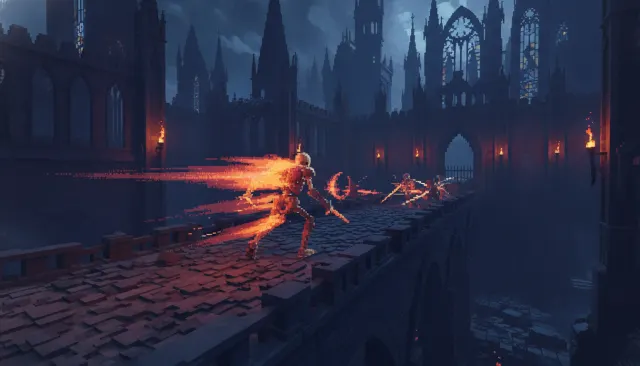
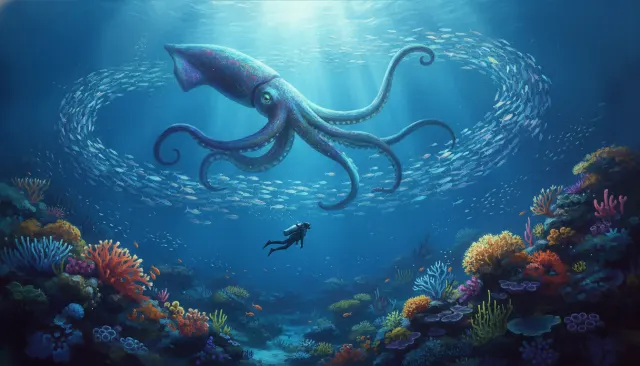
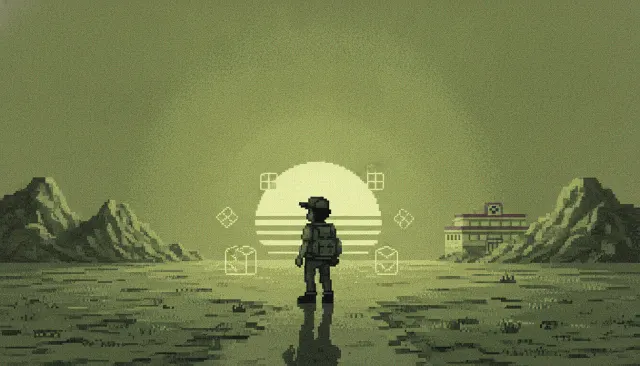
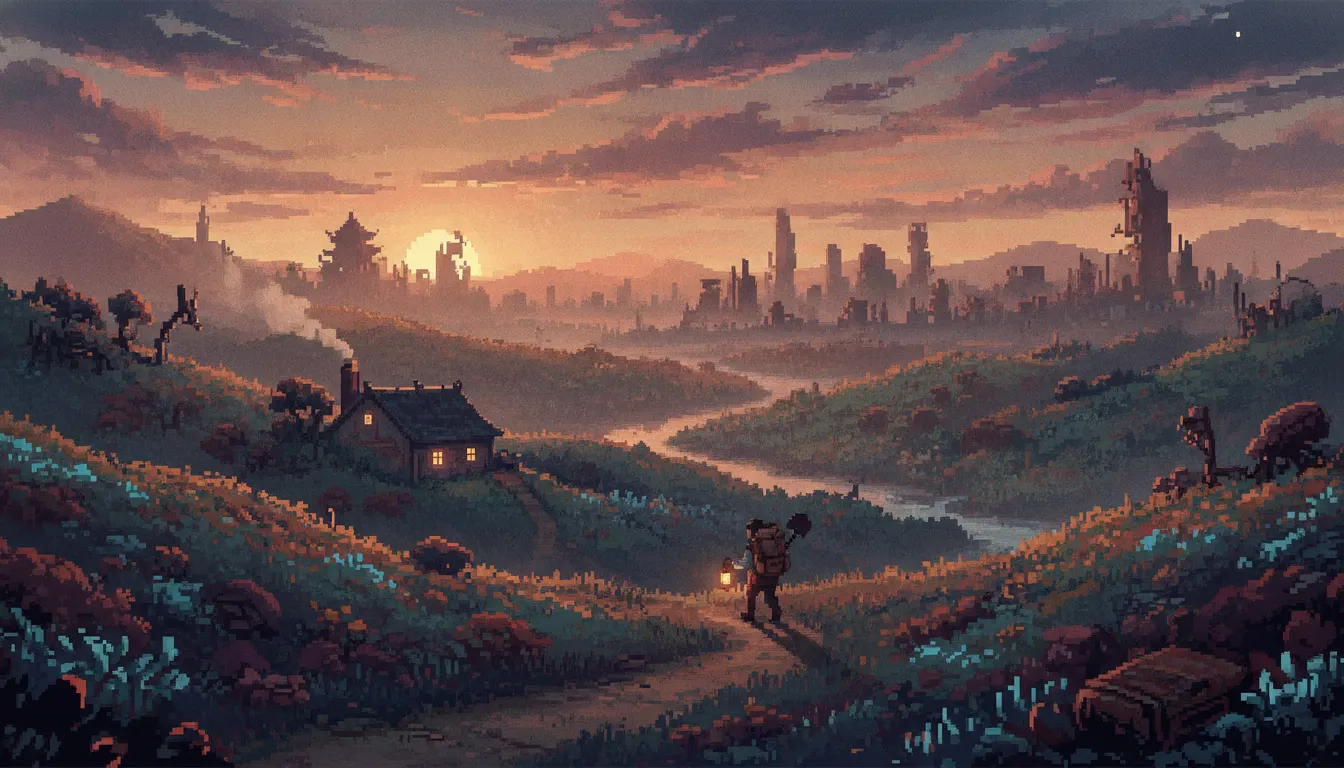
Eastward Pixpil painterly pixel aesthetic. Studio Ghibli-influenced lighting, post-apocalyptic Chinese countryside, cozy-melancholy color story.
The moves a human crew would use to get here. Cue applies them for you, and knowing their names is how you ask for a change.
resolution pixel art with genuine environmental complexity - detailed layered scenes
derived color zones: warm amber indoors, cold grey-blue overcast outdoors, deep ochre underground
crowds, market stalls, furniture, environmental storytelling in pixel form
stoic minimal protagonist paired with highly expressive companion
distant background motion to foreground interactive detail
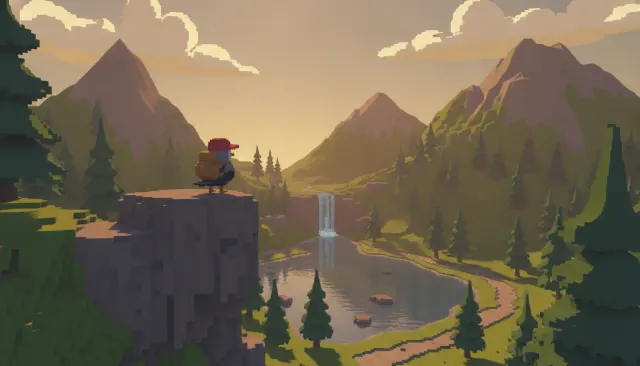
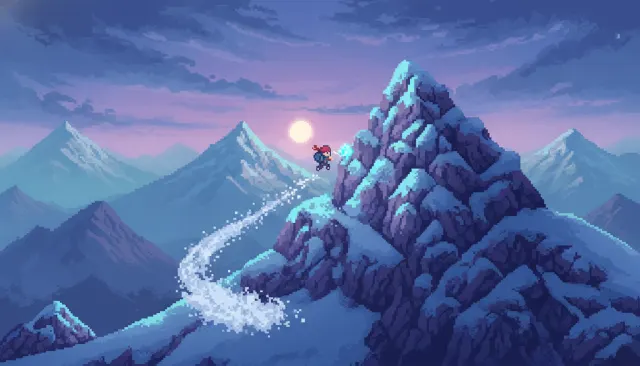
Eastward (Pixpil, 2021) - developed by a small Chinese studio - represents one of the most technically accomplished painterly pixel art games of the 2020s. Strongly influenced by Studio Ghibli films (particularly Spirited Away and Nausicaa of the Valley of the Wind) and the 16-bit JRPG tradition, Pixpil created a post-apocalyptic world that manages to feel simultaneously nostalgic and freshly imagined. The art direction, led by the studio's internal team, achieved a level of environmental detail in pixel art that rivals painted concept illustration.
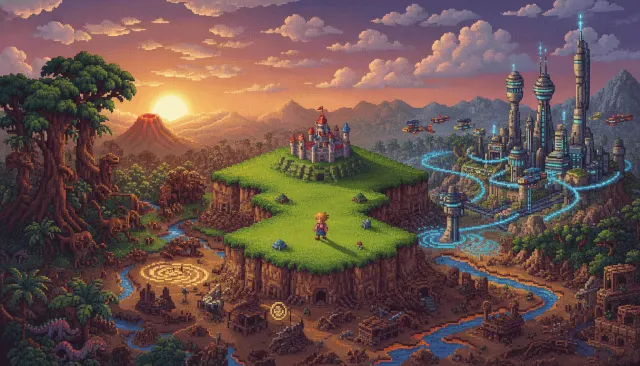
Unlike hardware-constrained retro pixel art, Eastward works at higher internal resolutions that allow genuine environmental complexity: foliage with individual leaf shapes, detailed indoor scenes with layered furniture and props, richly animated crowd scenes in market districts. The pixel grid is always perceptible but never limiting - it functions as a texture choice rather than a resolution constraint.
Pixpil directly cited Hayao Miyazaki's Studio Ghibli as a reference, and the influence is legible in the game's warm amber interior lighting, layered environmental depth with foreground foliage, detailed lived-in world texture, and the emotional palette that moves between melancholy and wonder. Underground cities glow with warm practical lighting; surface zones are blue-grey and overcast; underground tunnels are claustrophobic deep ochre. These color zones work narratively as much as aesthetically.
Protagonist John's minimal facial expression (his face is rarely shown in detail) combined with partner Sam's highly expressive chibi-ish design creates an effective emotional contrast. This design philosophy - one stoic, one expressive - recurs throughout Ghibli and JRPG traditions. The JRPG combat and overworld systems are conscious homages to 16-bit games like Earthbound and early Zelda.
The game's most impressive achievement is the convincing density of its inhabited spaces: crowded marketplaces, underground city districts, and abandoned surface towns all feel researched and specific. This world-building specificity through pixel art detail is the aspect that most clearly exceeds typical indie production values.
the defining reference
painterly pixel peer with warmer tone
primary visual reference source
JRPG tonal inspiration
inhabited-world pixel detail comparable
minimalist pixel peer showing range of the tradition
painterly indie JRPG adjacent with different emotional register
A Look is not a filter. It is a set of stored decisions the pipeline reads before it makes a single frame, so two videos in the same Look actually match.