Dorothea Lange
1936
*Migrant Mother* , Florence Owens Thompson, Nipomo, California
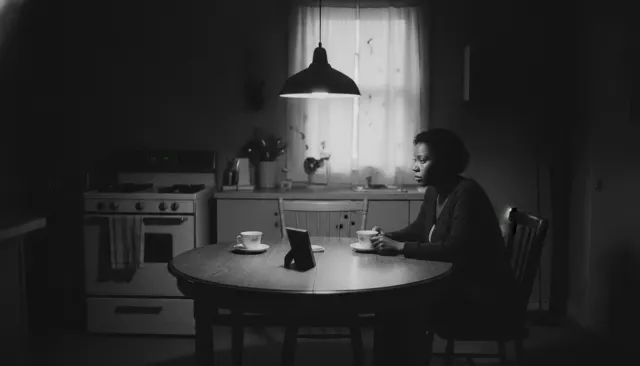
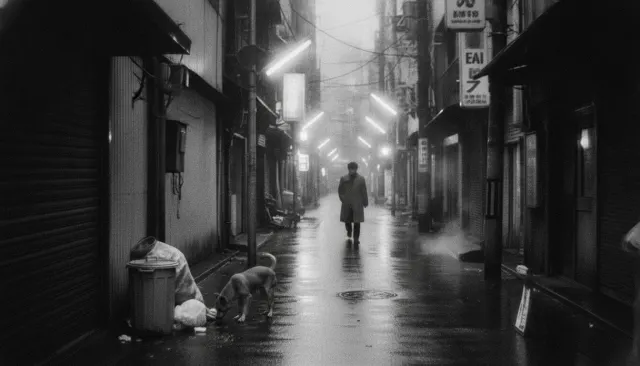
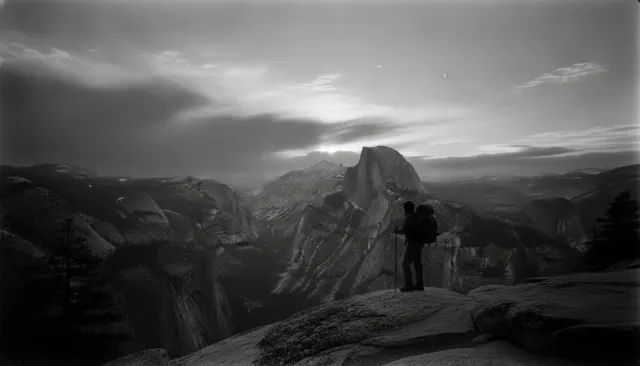
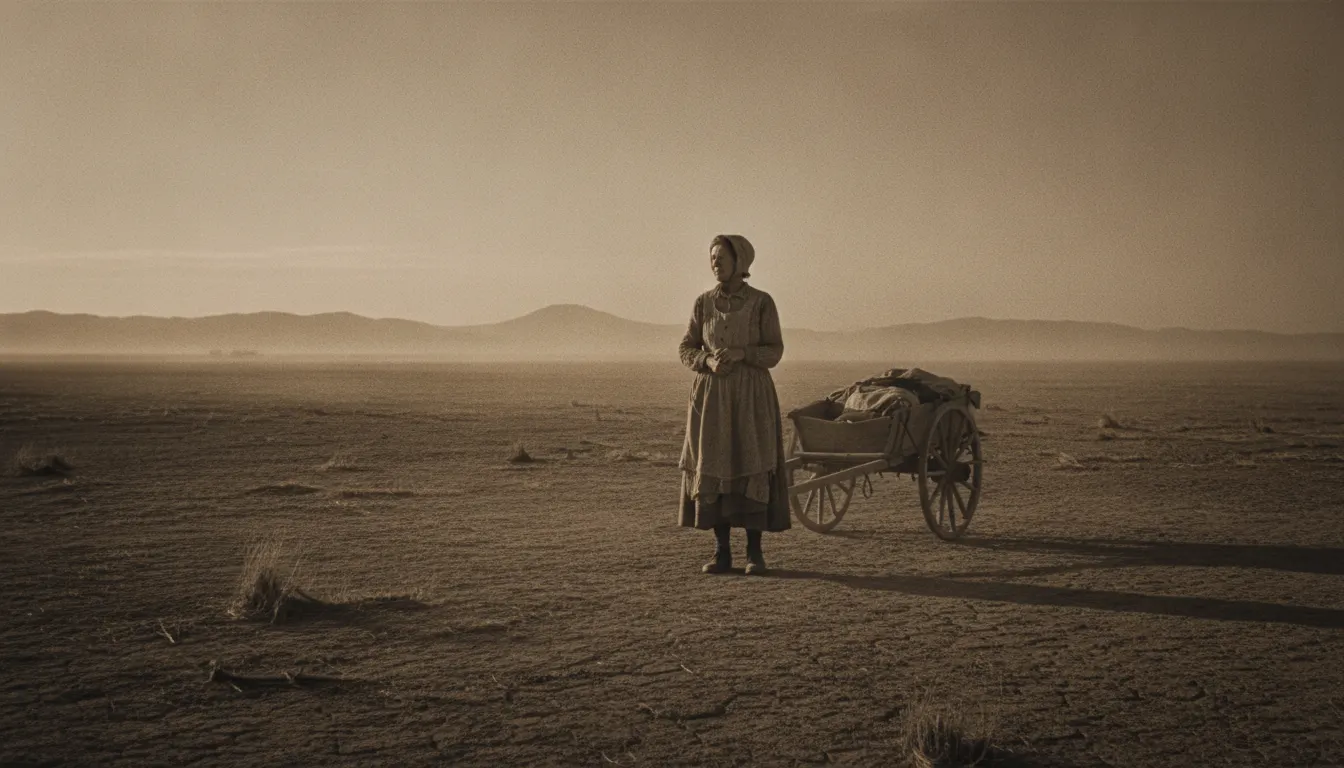
Farm Security Administration Depression documentary. Dorothea Lange Migrant Mother, Walker Evans tenant interior, dust-bowl tonality, weathered dignity.
The moves a human crew would use to get here. Cue applies them for you, and knowing their names is how you ask for a change.
format black-and-white film with a full tonal range from rich shadows to bright highlights
no elaborate studio lighting, natural exterior and interior light only
extended time with subjects, conversation, mutual trust before camera appears
the expressive detail of the human body over compositional grandeur
subjects photographed within their actual living and working conditions
multiple frames in a session, selecting the one where expression and composition peak
format view camera (4x5) for formal portraits requiring maximum resolution and tonal precision
The Farm Security Administration (FSA) photography project, operating from 1935 to 1944 under the direction of Roy Stryker, produced the most significant body of documentary photography in American history. Employing photographers including Dorothea Lange, Walker Evans, Gordon Parks, Arthur Rothstein, and Russell Lee, the FSA project was explicitly designed to create public sympathy for the rural poor and the displaced workers of the Great Depression - and to justify the New Deal relief programs designed to help them.
Dorothea Lange (1895-1965) made the most famous image of the project in March 1936: Migrant Mother, a photograph of Florence Owens Thompson, a 32-year-old Cherokee-descent pea-picker in a migrant labor camp near Nipomo, California. Lange made six exposures over approximately ten minutes, moving closer with each frame. The final image - Thompson facing slightly away, two children pressing their faces into her shoulders, an infant in her lap - became the defining visual symbol of Depression-era poverty and maternal resilience. Published immediately in the San Francisco News, it prompted emergency food relief to the camp.
Walker Evans (1903-1975) brought a more formally rigorous, less emotionally immediate aesthetic to the FSA project. His large-format view camera images of Alabama sharecropper families and their homes - later published in Let Us Now Praise Famous Men (1941, text by James Agee) - treated his subjects with unflinching formal precision, refusing the sentimentality of Lange's approach in favor of a documentary exactness that has influenced photographic realism for 80 years.
FSA photographers worked primarily with 35mm cameras (Leica) for flexibility and speed, and 4x5 view cameras for the formal precision required for official documentation. Film was fast by the era's standards - typically Plus-X or Super-XX - processed in the field and printed in darkrooms at FSA regional offices. The resulting images were distributed to newspapers and magazines as government press material.
1936
*Migrant Mother* , Florence Owens Thompson, Nipomo, California
1933
*White Angel Breadline* , San Francisco, early Depression documentation
1936
*Allie Mae Burroughs, Wife of a Cotton Sharecropper* , Hale County, Alabama
*Let Us Now Praise Famous Men* (1941, Houghton Mifflin)
1936
*Dust Storm, Cimarron County, Oklahoma*
1942
FSA images of Washington DC segregation , early career work
Library of Congress holds approximately 175,000 negatives, freely available
A Look is not a filter. It is a set of stored decisions the pipeline reads before it makes a single frame, so two videos in the same Look actually match.