Frans Lanting
1990
*Madagascar: A World Out of Time* , National Geographic Society
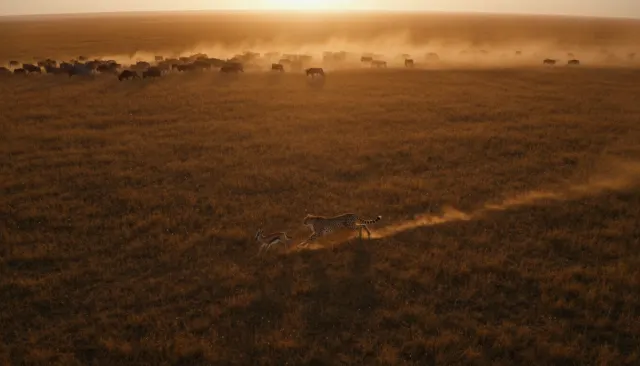
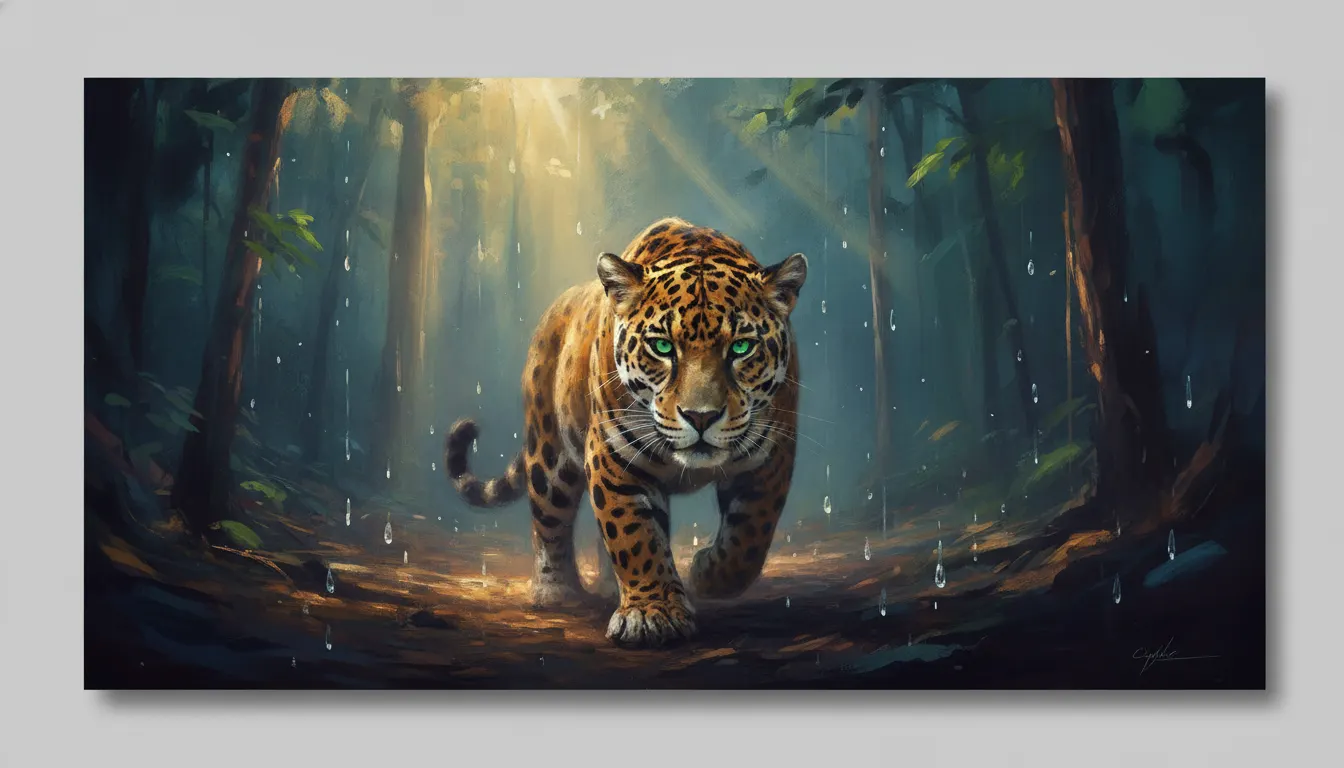
Frans Lanting painterly wildlife. Slow-shutter motion blur jaguar, Eye to Eye intimacy, Costa Rica rainforest abstraction.
The moves a human crew would use to get here. Cue applies them for you, and knowing their names is how you ask for a change.
level or below-eye-level camera position matching the subject animal's perspective
weeks or months establishing a non-threatening presence before shooting
golden hour and blue-hour light used extensively
saturated but naturalistic color with warm-cool contrast balanced in post
400mm) for intimate framing without intrusive proximity
interaction, expression, or behavior that reveals character rather than peak action
subject placed within its ecosystem rather than isolated against a clean background
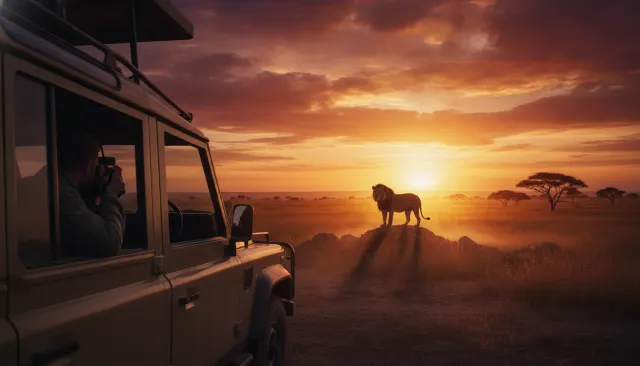
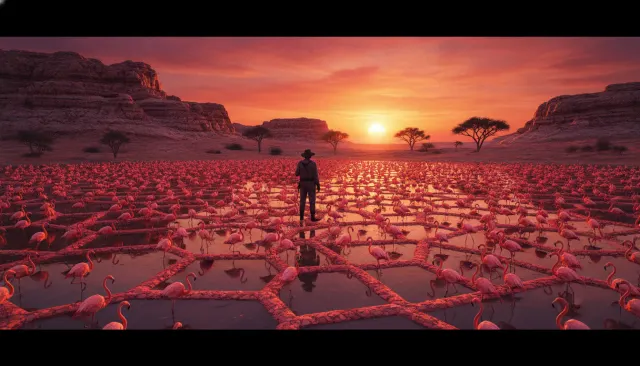
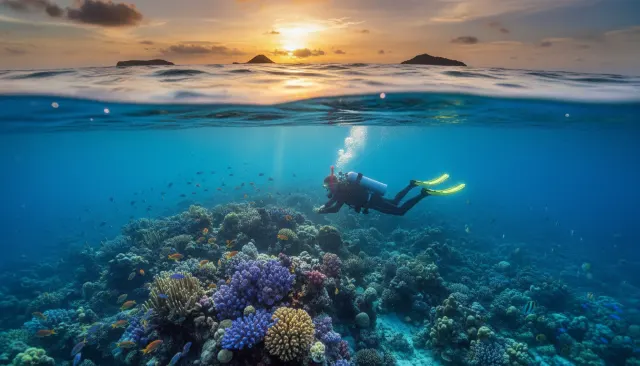
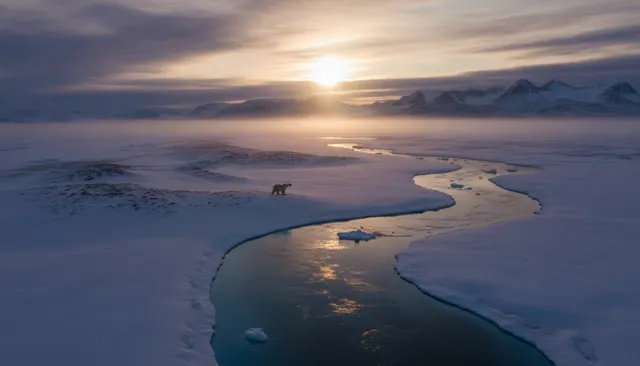
Frans Lanting (born 1951, Rotterdam, Netherlands) is widely considered one of the greatest wildlife photographers of the 20th and early 21st centuries. A regular contributor to National Geographic since 1985, Lanting has produced defining photographic studies of some of the most biologically significant ecosystems on Earth: Madagascar's lemur communities, the Okavango Delta of Botswana, the Amazon basin, Antarctica, and the Galapagos Islands. His work is distinguished by its painterly quality - a mastery of natural light and color that makes his images resemble not photographs of animals but portraits painted in light.
Lanting's first major National Geographic work was a multi-visit study of Madagascar's endemic wildlife, particularly its lemurs. The resulting book Madagascar: A World Out of Time (1990) revealed a photographic sensibility unlike most wildlife documentation: Lanting's images were compositionally rich, tonally complex, and behaviorally intimate. Where conventional wildlife photography celebrated the dramatic peak-of-action moment, Lanting often chose quieter, more intimate, more characterful subjects.
Lanting's time in the Okavango Delta produced his book Okavango: Africa's Last Eden (1993). His approach throughout this period was what he called 'eye to eye' photography - getting to the animal's eye level and working within the natural behavioral rhythms of his subjects, often spending weeks or months habituating wildlife to his presence. The result was unprecedented access: images of elephants and lions in situations that had never been photographed from such close, non-threatening proximity.
LIFE: A Journey Through Time (2006, National Geographic) was Lanting's most ambitious conceptual project - a chronological visual journey through 3.8 billion years of evolution, from microscopic organisms to large mammals, presented as a connected narrative. The project toured as a live multimedia show with music by Philip Glass. It is among the most ambitious single-photographer conceptual projects in National Geographic's history.
1990
*Madagascar: A World Out of Time* , National Geographic Society
1993
*Okavango: Africa's Last Eden* , National Geographic Society
2006
*LIFE: A Journey Through Time* , evolutionary visual narrative with Philip Glass
1999
*Penguins* , definitive photographic study of Antarctic penguin colonies
Bonobo community studies, Congo basin, *National Geographic* (1990s)
Galapagos Islands multi-species documentation, *National Geographic* (multiple years)
A Look is not a filter. It is a set of stored decisions the pipeline reads before it makes a single frame, so two videos in the same Look actually match.