MIDDLE EASTERN EXTENDED · ANCIENT · EGYPT
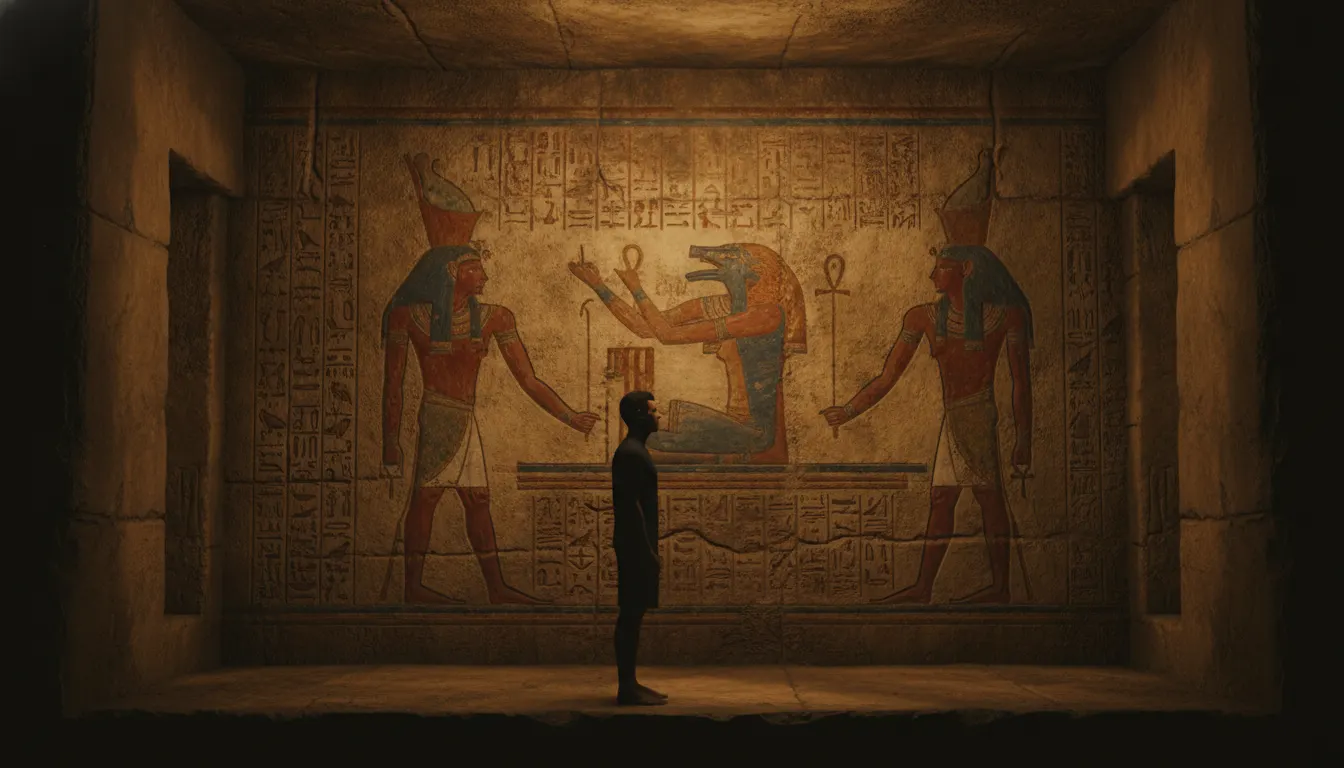
Egyptian Hieroglyphic Tomb Decoration
Inspired by Ancient Egyptian tomb-wall hieroglyphic decoration tradition. Profile figures of pharaoh and gods in registers above columns of carved hieroglyph, mineral pigment on plaster.
egyptianhieroglyphancienttomb
LUT egyptian-tomb-pigment
WHEN TO USE
- Museum, Egyptology, and archaeological content promoting exhibitions or collections
- Historical documentary title sequences and lower-third graphics evoking ancient civilizations
- Luxury brand content that references timeless craftsmanship and gold materiality
- Art Deco-influenced fashion, architecture, or lifestyle content where Egyptian geometry adds depth
- Educational content for schools and cultural institutions covering ancient history
- Motion-graphics and title-card design where the flat, grid-based system translates perfectly to screen animation
WHEN NOT TO USE
- Modern tech or startup contexts where ancient symbolism would seem incongruous or culturally tone-deaf
- Spiritual or wellness content that wants a living tradition -- Egyptian imagery here is historical/archaeological, not a current practice
- Content requiring photorealistic representation; the stylized flatness will clash with naturalistic photography
- Brands with no connection to heritage, history, or luxury where the gold-and-lapis palette reads as excessive
SIGNATURE TECHNIQUES
How the look is made.
The moves a human crew would use to get here. Cue applies them for you, and knowing their names is how you ask for a change.
- 01Composite
view figural drawing: profile face, frontal eye, frontal shoulders, profile hips and feet in simultaneous view
- 0218
unit canon of proportions grid governing human figure construction
- 03Strict horizontal register composition organizing narrative sequences top-to-bottom
- 04Cartouche framing (oval rope border) enclosing key labels, titles, or subject names
- 05Egyptian blue (copper
calcium silicate) alongside lapis, malachite green, red ochre, and gold
- 06Hieroglyphic text integrated decoratively with imagery, reading right-to-left or left-to-right from the direction figures face
- 07Wadjet eye (Eye of Horus), ankh, djed pillar, and scarab as recurring symbolic motifs
HISTORY & CONTEXT
Where it comes from.
Egyptian Hieroglyphic Decoration
Ancient Egyptian hieroglyphic writing and decorative art form one of the longest-running continuous visual traditions in human history, spanning from approximately 3200 BCE -- when the earliest proto-hieroglyphs appear on clay tablets and ivory tags at Abydos -- to 394 CE, when the last known inscription was carved at Philae Temple. Over three millennia the visual grammar remained remarkably stable, a deliberate conservatism that signaled divine order and eternal truth.
Composite View and Canon of Proportions
Egyptian figural art uses what Egyptologists call the composite or conceptual view: faces in strict profile, eyes drawn frontally, shoulders shown from the front while hips twist into profile, and feet pointing the same direction. This system prioritizes clarity and completeness over optical realism. A standard grid of 18 units (later 21.5 after c. 400 BCE) governed ideal human proportions, ensuring consistency across workshops and centuries. This grid is visible in unfinished tomb paintings where the underlying red-ochre construction lines survive.
Color Symbolism
Egyptian polychrome follows strict symbolic codes. Lapis lazuli blue (Egyptian blue, a synthetic copper-calcium silicate invented c. 3000 BCE) was the first synthetic pigment in human history. Gold signified divine flesh; black (khem) meant fertility and the Nile flood; red meant life-force but also danger. White limestone backgrounds created stark value contrast. The palette of lapis, gold, malachite green, red ochre, and black on cream is the immediately recognizable core.
The Rosetta Stone and Decipherment
The Rosetta Stone (196 BCE, discovered 1799, British Museum) carries the Decree of Memphis in three scripts: hieroglyphic, Demotic, and Greek. Jean-Francois Champollion's decipherment in 1822, building on Thomas Young's earlier analysis of cartouche phonetics, unlocked the entire tradition. Key decorative features include cartouches (oval rope-border enclosures for royal names), wadjet eyes (Eye of Horus), ankh symbols, and registers (horizontal bands) organizing narrative sequences.
Modern Visual Use
The aesthetic was revived during the Egyptomania wave following Napoleon's 1798 Egyptian campaign and again after the 1922 discovery of Tutankhamun's tomb. Art Deco absorbed Egyptian motifs heavily -- the Chrysler Building's eagle gargoyles and many 1920s-30s theater interiors. For contemporary videographers, Egyptian hieroglyphic decoration signals antiquity, mystery, institutional authority, and a geometric boldness that scales well to screen graphics and motion-design.
NOTABLE WORKS
Where you have seen it.
Book of the Dead of Ani (c. 1275 BCE) -- illustrated papyrus scroll, British Museum, canonical funerary imagery
Temple of Karnak hypostyle hall painted reliefs (c. 1250 BCE) -- Ramesses II battle scenes
Tutankhamun's tomb paintings, Valley of the Kings (c. 1323 BCE), discovered 1922
Rosetta Stone (196 BCE) -- trilingual decree, key to hieroglyphic decipherment
Narmer Palette (c. 3100 BCE) -- earliest large-scale hieroglyphic and figural composition
Book of Gates, Seti I tomb (c. 1280 BCE) -- detailed underworld journey compositions
THE RECIPE
The exact knobs
the renderer turns.
A Look is not a filter. It is a set of stored decisions the pipeline reads before it makes a single frame, so two videos in the same Look actually match.
SettingValue
GradeColour LUT applied to every frame
egyptian-tomb-pigmentTransitionHow one shot becomes the next
soft cuts · 320ms · ease-in-outKen BurnsCamera move applied to stills
Slow push · 0.025 · centerTypographyDisplay / body / mono pairing
Source Serif Pro · Lora · JetBrains MonoMusic moodWhat the bed under the voice sounds like
nile-oud · egyptian-frame-drumPrompt suffixAppended to every shot prompt in this Look
inspired by Ancient Egyptian tomb wall hieroglyphic decoration tradition, profile figure of pharaoh and god in horizontal register, columns of carved hieroglyph, mineral pigment on plasterPALETTE
Primary
#C9A24A
Secondary
#7A4A2E
Accent
#1A4A6E
Text/Light
#1A140A
Text/Dark
#F2DCA8
BG 900
#0F0A05
BG 800
#1F1810
RELATED LOOKS
Next to it on the shelf.
 Historical Illuminated ExtendedAztec Mesoamerican Codex Symbol
 Eastern HistoricalByzantine Icon Gold Leaf
 European ExtendedGreek Orthodox Icon (Gold Leaf)
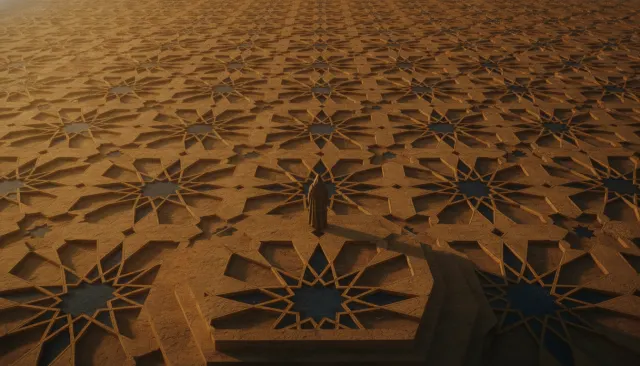 Middle Eastern North AfricanIslamic Geometric Girih Pattern
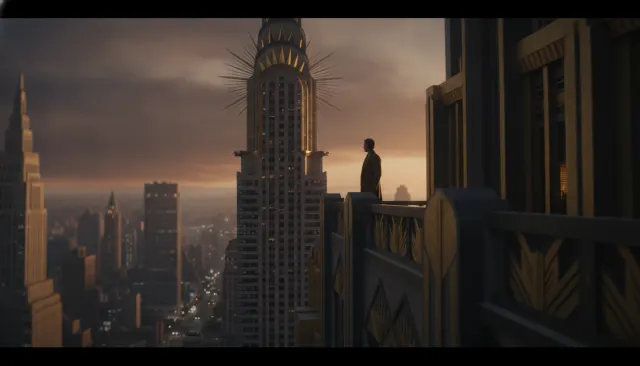 Art Movement ModernArt Deco 1920s Geometric
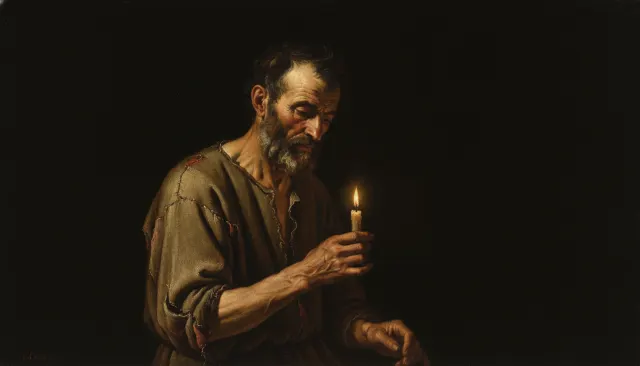 Art Movement ClassicalBaroque Painting Caravaggio
Your first cut
is on us.
+ New videoFree plan · no card · 1080p export