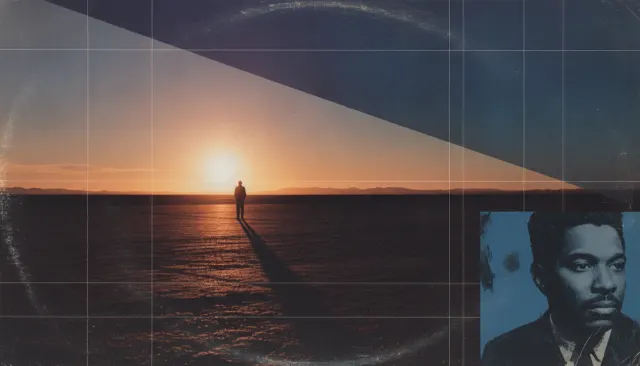
Coachella Valley Music and Arts Festival poster series
Various (Goldenvoice commissioned) · 2000-present
The annual festival poster series that mainstreamed the flat illustration festival poster aesthetic
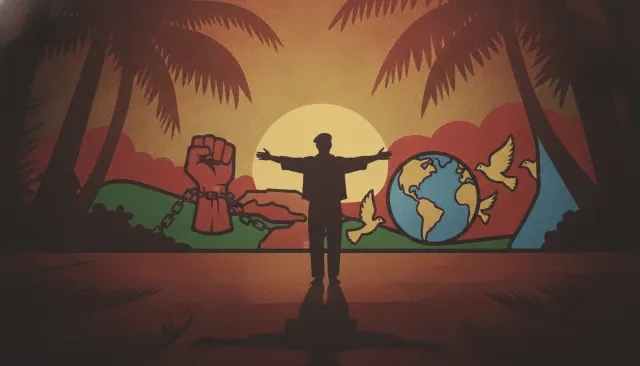
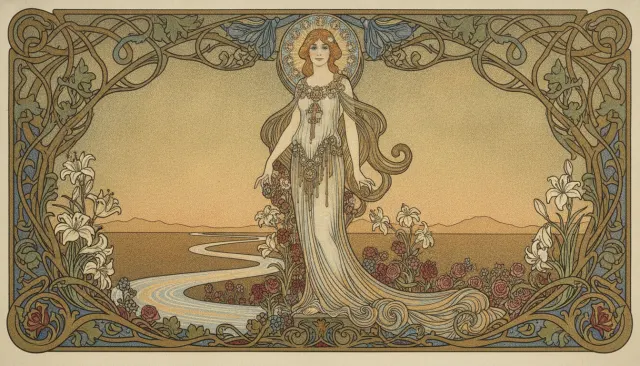
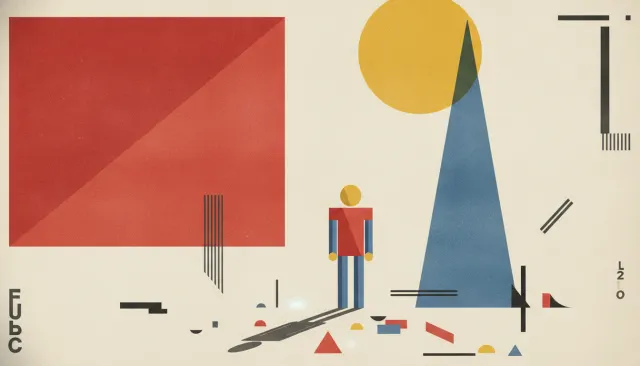
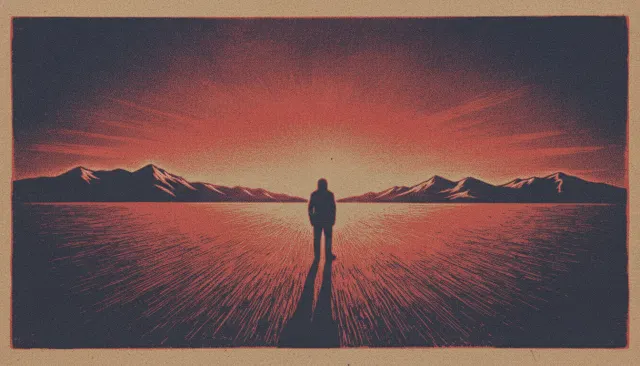
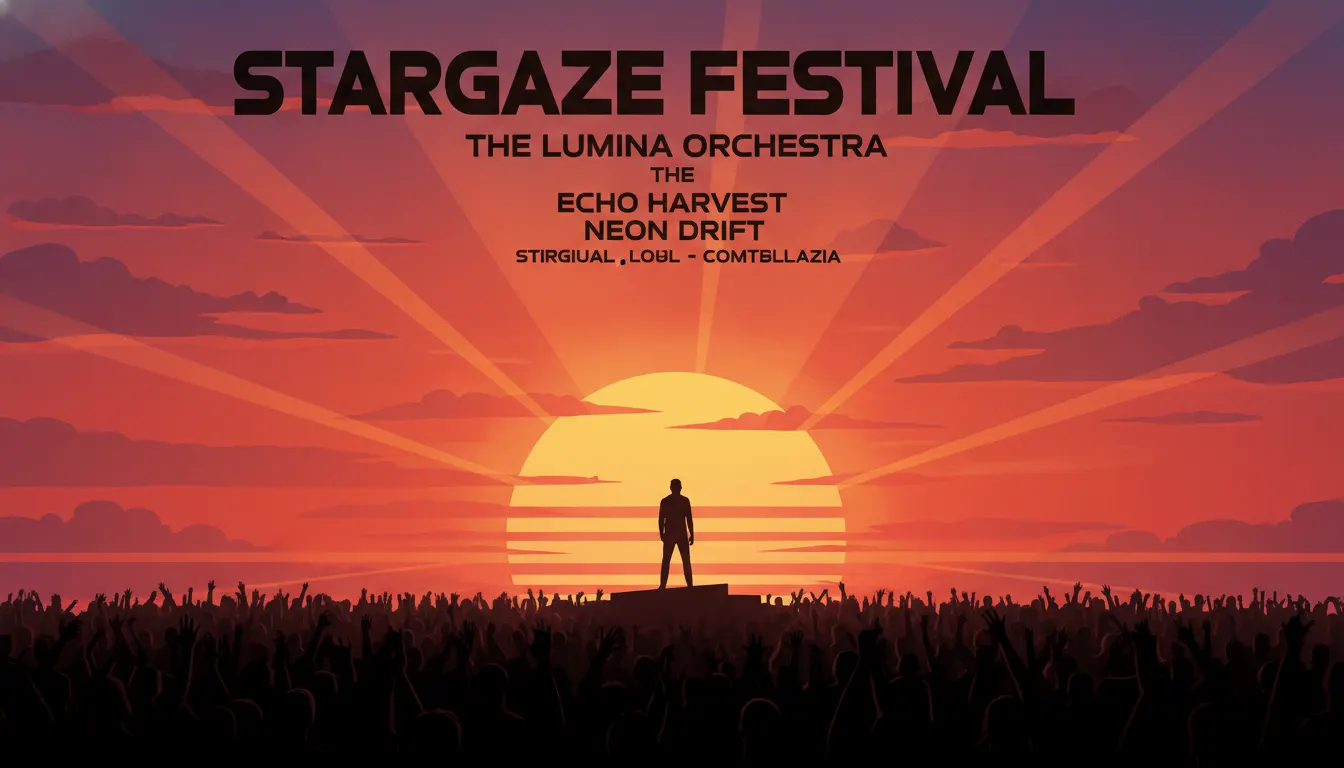
Modern music-festival key art. Flat-illustration crowd silhouette, sunset gradient sky, stacked headliner billing typography.
The moves a human crew would use to get here. Cue applies them for you, and knowing their names is how you ask for a change.
3-6 flat colors, often including a paper or off-white base tone, chosen to work together at distance and in reduced reproduction - the constraint of physical screenprint applied as aesthetic.
Mountains, trees, animals, and celestial bodies rendered as bold flat silhouettes, legible at thumbnail size and scalable without loss of visual meaning.
Landscape organized into flat horizontal bands of color suggesting depth without linear perspective - a direct borrowing from 1930s-40s National Park poster conventions.
Headliner in largest type at top, sub-headliners in progressively smaller sizes below, logistically necessary information (date, venue, ticketing) in the smallest tier - the information architecture of the genre.
Halftone dots, paper grain, or ink bleed effects added digitally to simulate the warmth of physical print on offset or risograph.
Suns, moons, stars, mountains, forests, and animals function as genre markers signaling outdoor, free-spirited, or countercultural festival associations.
The festival poster as a genre has a continuous lineage from the 1960s psychedelic concert posters of Wes Wilson and Victor Moscoso through the Chautauqua and world music traditions to the contemporary music festival poster style that consolidated in the 2000s and 2010s. The contemporary flat illustration festival poster is a distinct visual register with its own conventions: limited color palettes, silhouetted figures, stylized naturalistic elements, and hierarchy typography designed to communicate lineup information at a glance.
The psychedelic poster era (1966-1972, San Francisco Fillmore Auditorium and Fillmore West) established the idea of the concert poster as a collectible art object with visual complexity matching the music. By the 1990s and 2000s, the gig poster revival - centered on screenprint studios like Aesthetic Apparatus (Minneapolis), Landland, and the annual Flatstock convention run by the American Poster Institute - produced a new generation of music poster makers working in limited-run screenprint.
The contemporary festival poster style that dominates Coachella, Glastonbury, Bonnaroo, and similar events developed from this screenprint aesthetic but adapted it for digital production and mass reproduction. The visual grammar that emerged: flat vector illustration with a naturalistic subject matter (mountains, forests, celestial bodies, desert landscapes, animals), a limited palette of 3-6 colors that read clearly at small sizes, silhouette and simplified form rather than detailed rendering, and a typographic hierarchy that organizes headliner, supporting act, and date/venue information in a visual cascade.
National Park-style WPA poster aesthetics (from the Works Progress Administration, 1936-1943) were a major visual reference - their flat color, simplified landscape, and bold readable type proved directly adaptable to the festival format. Tyler Stout's work for Mondo Records (from 2007) and the Olly Moss aesthetic (spare, high-contrast silhouette) were contemporaneous influences that fed into the mainstream festival poster vocabulary.
The flat festival poster prioritizes: silhouette legibility from a distance; color relationships that work in both full and reduced reproduction; naturalistic imagery that signals specific outdoor environments (Pacific Northwest forests, Sonoran desert, Appalachian mountains); and typographic hierarchy that functions as a secondary visual element rather than a disruption of the illustration. Risograph and screen-print texture overlays create tactile warmth even in digital files.
Various (Goldenvoice commissioned) · 2000-present
The annual festival poster series that mainstreamed the flat illustration festival poster aesthetic
Tyler Stout, Olly Moss, others (Mondo Records) · 2007-present
Collectible limited-run screenprint posters; high-contrast silhouette aesthetic feeding into festival poster vocabulary
Various · 2002-present
Bonnaroo's annual poster commission program; WPA landscape and flat color throughout
Works Progress Administration (various artists) · 1936-1943
Direct visual ancestor; flat color, simplified landscape, bold type - the template still referenced today
Various UK designers and illustrators · 1970s-present
UK festival poster tradition; more expressive and psychedelic-influenced than American equivalents
American Poster Institute · 2002-present
Annual screenprint poster fair; community context that maintained the craft standards feeding into the digital festival poster aesthetic
A Look is not a filter. It is a set of stored decisions the pipeline reads before it makes a single frame, so two videos in the same Look actually match.