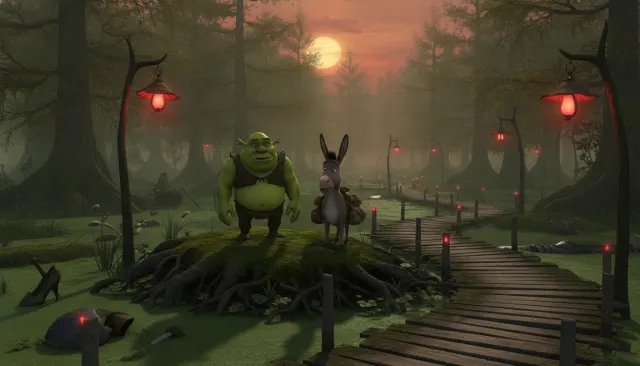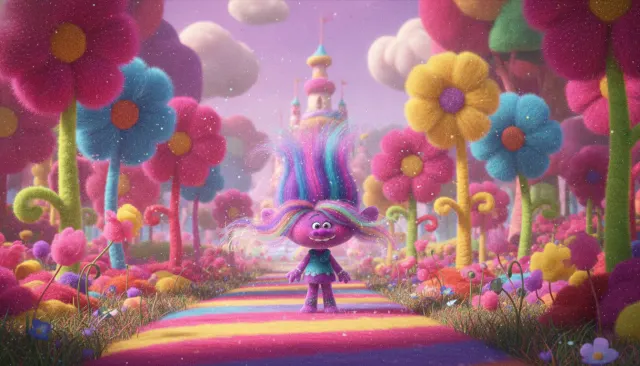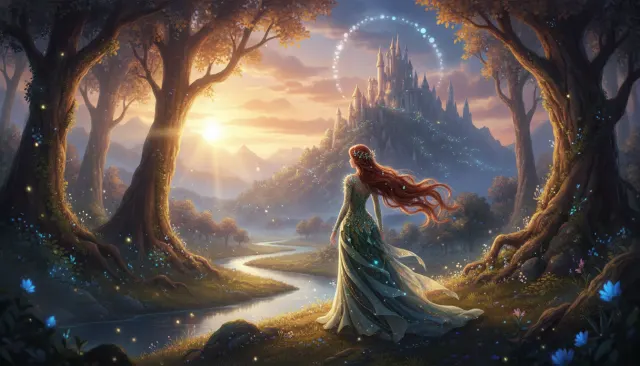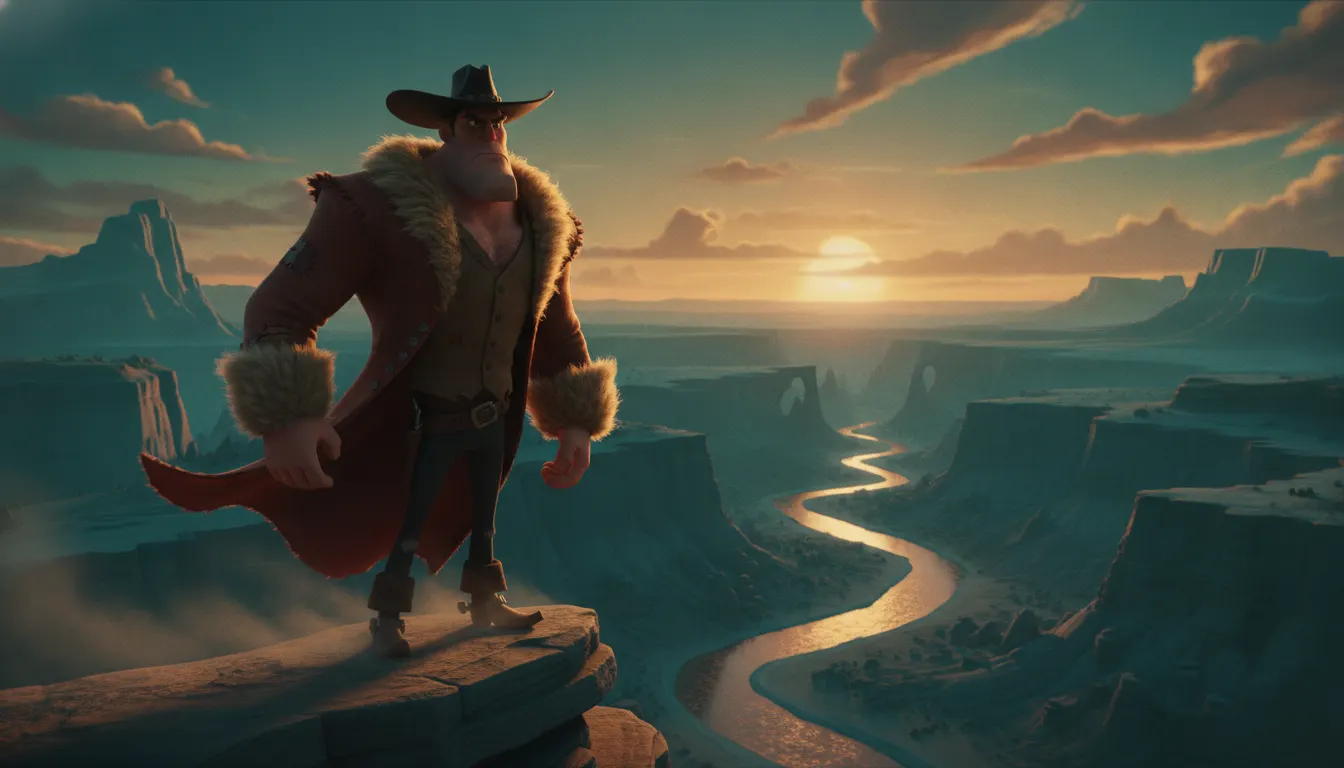
Shrek
2001
PDI/DreamWorks, dir. Andrew Adamson
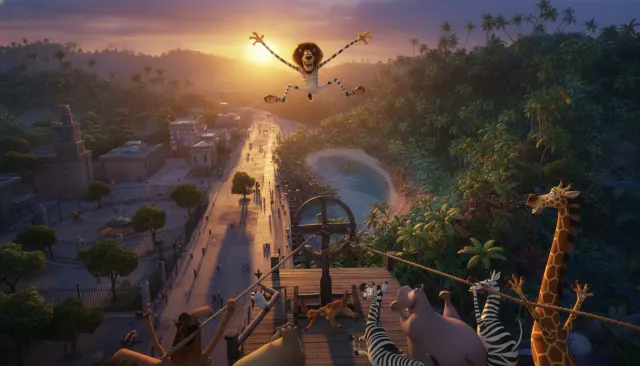
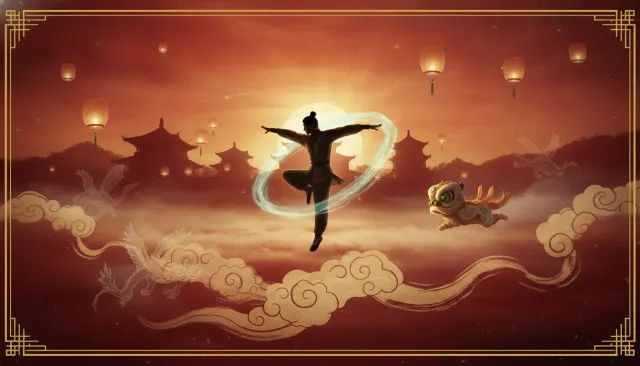
DreamWorks feature CG. Shrek and How to Train Your Dragon, broader caricature, snappier timing, slightly cooler palette than Pixar.
The moves a human crew would use to get here. Cue applies them for you, and knowing their names is how you ask for a change.
forward color palettes with saturated character tones against more photorealistic environments
culture contemporary music and humor layered into fairy-tale or genre settings (Shrek template)
large whites, color irises, brows with maximum arc range for performance reading
three-quarter turn, raised eyebrow, slight smirk (marketing signature)
DreamWorks Animation-founded in 1994 by Steven Spielberg, Jeffrey Katzenberg, and David Geffen-developed a recognizable house aesthetic over its first two decades that distinguishes it from Pixar, Disney, and Blue Sky through specific character, environmental, and tonal choices. While individual films deviate significantly (Kung Fu Panda, The Prince of Egypt, Spirit: Stallion of the Cimarron), a consistent DreamWorks stylization vocabulary emerged across the studio's core comedy franchise output.
Jeffrey Katzenberg, who left Disney after conflict with Michael Eisner and founded DreamWorks Animation partly as a competitive response, consciously positioned DreamWorks as the anti-Pixar: faster, funnier, more irreverent, more pop-culture-referential. This positioning had direct visual consequences. Where Pixar's character designs tend toward archetypal simplicity with emotional depth, DreamWorks characters are often more exaggerated and caricatured, trading subtlety for immediate comedic impact. Where Pixar color palettes tend toward painterly realism, DreamWorks uses bolder, more primary-color-forward palettes.
One of the most discussed visual signatures associated with DreamWorks is what critics have called the 'DreamWorks face'-a three-quarter turned head with one eyebrow raised and a smirk, appearing in many film posters and marketing materials from 2000-2015 (Megamind, Kung Fu Panda, Madagascar, The Bee Movie). This pose embodies the studio's tonal positioning: knowing, confident, slightly sarcastic. It is more a marketing/poster convention than a production design choice, but it became so associated with the studio that it constitutes a visual brand signature.
DreamWorks Animation originally split between PDI (Silicon Valley) and the Glendale studio (Southern California). Post-2010, the studio consolidated around the Glendale facility and invested heavily in their MoonShine renderer and later in the Arnold renderer (co-developed with Solid Angle). The studio was acquired by NBCUniversal / Comcast in 2016 and by 2020 had undergone significant restructuring, with its theatrical pipeline increasingly integrated with Universal and Illumination's production infrastructure.
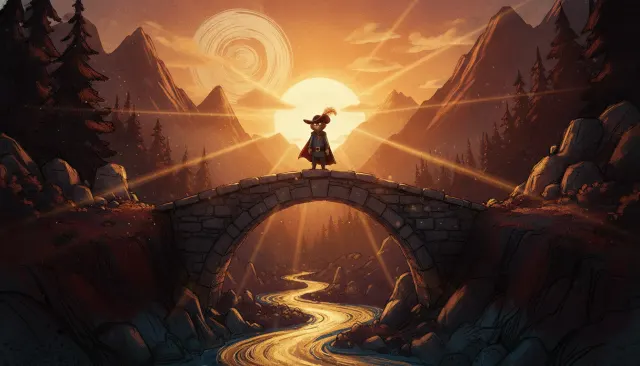
Recent DreamWorks output-particularly Puss in Boots: The Last Wish (2022) and The Bad Guys (2022)-demonstrates the studio consciously pushing its stylization further in response to Spider-Man: Into the Spider-Verse (2018). The house style has diversified from a single recognizable look into a portfolio of stylistic approaches, each calibrated to the specific creative brief of each project.
2001
PDI/DreamWorks, dir. Andrew Adamson
2005
DreamWorks, dir. Eric Darnell, Tom McGrath
2008
DreamWorks, dir. Mark Osborne, John Stevenson
2010
DreamWorks, dir. Chris Sanders, Dean DeBlois
2013
DreamWorks, dir. Kirk DeMicco, Chris Sanders
2022
DreamWorks, dir. Joel Crawford
2022
DreamWorks, dir. Pierre Perifel
A Look is not a filter. It is a set of stored decisions the pipeline reads before it makes a single frame, so two videos in the same Look actually match.