Disenchantment
Matt Groening / Netflix · 2018
The canonical work; the medieval fantasy extension of the Groening visual vocabulary
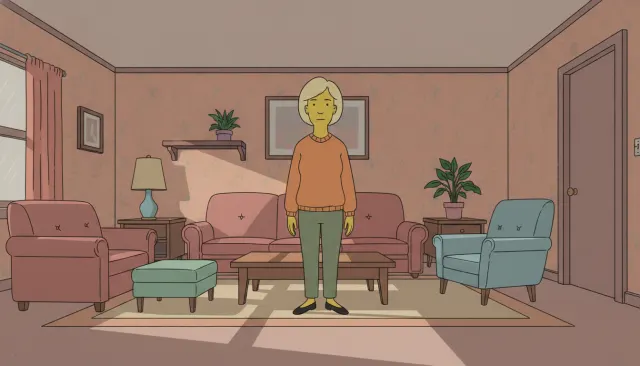
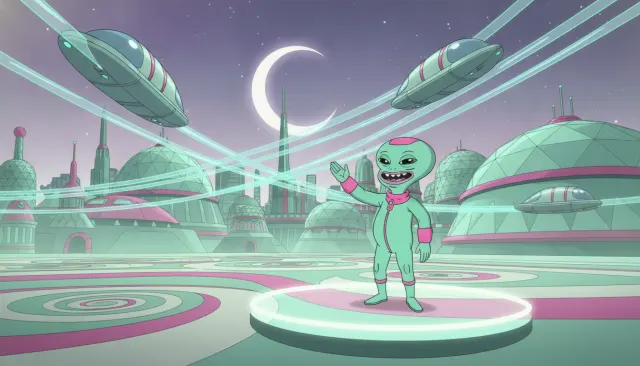
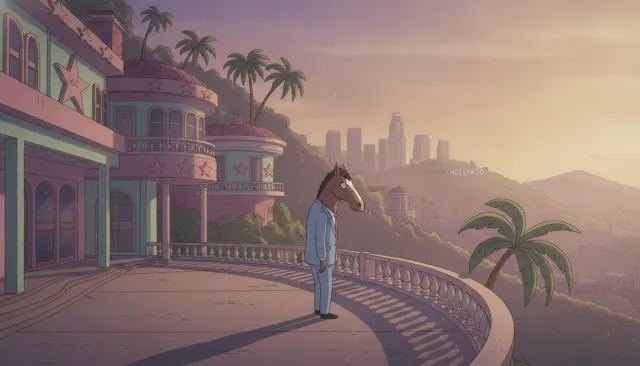
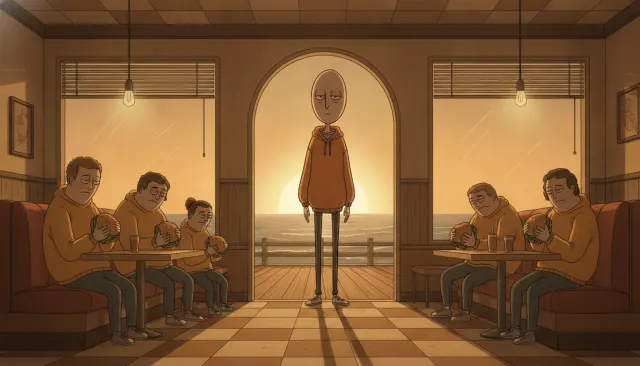
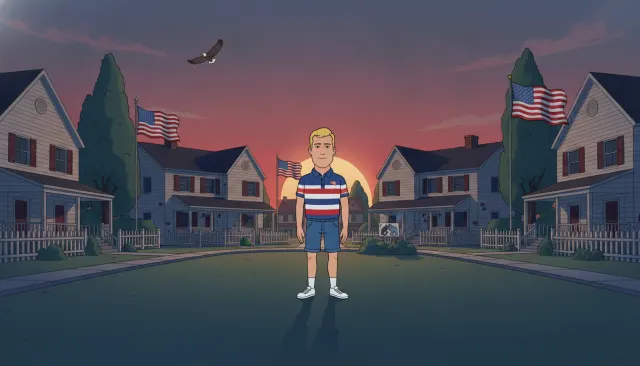
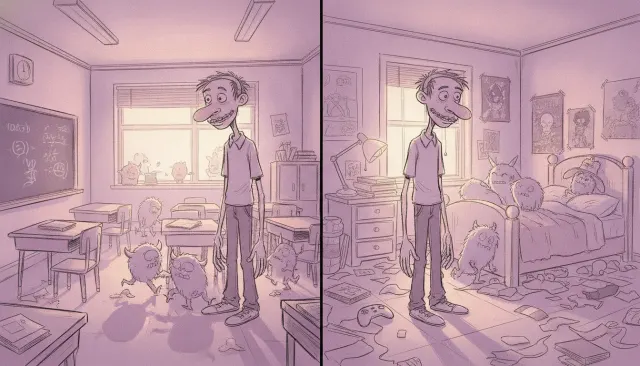
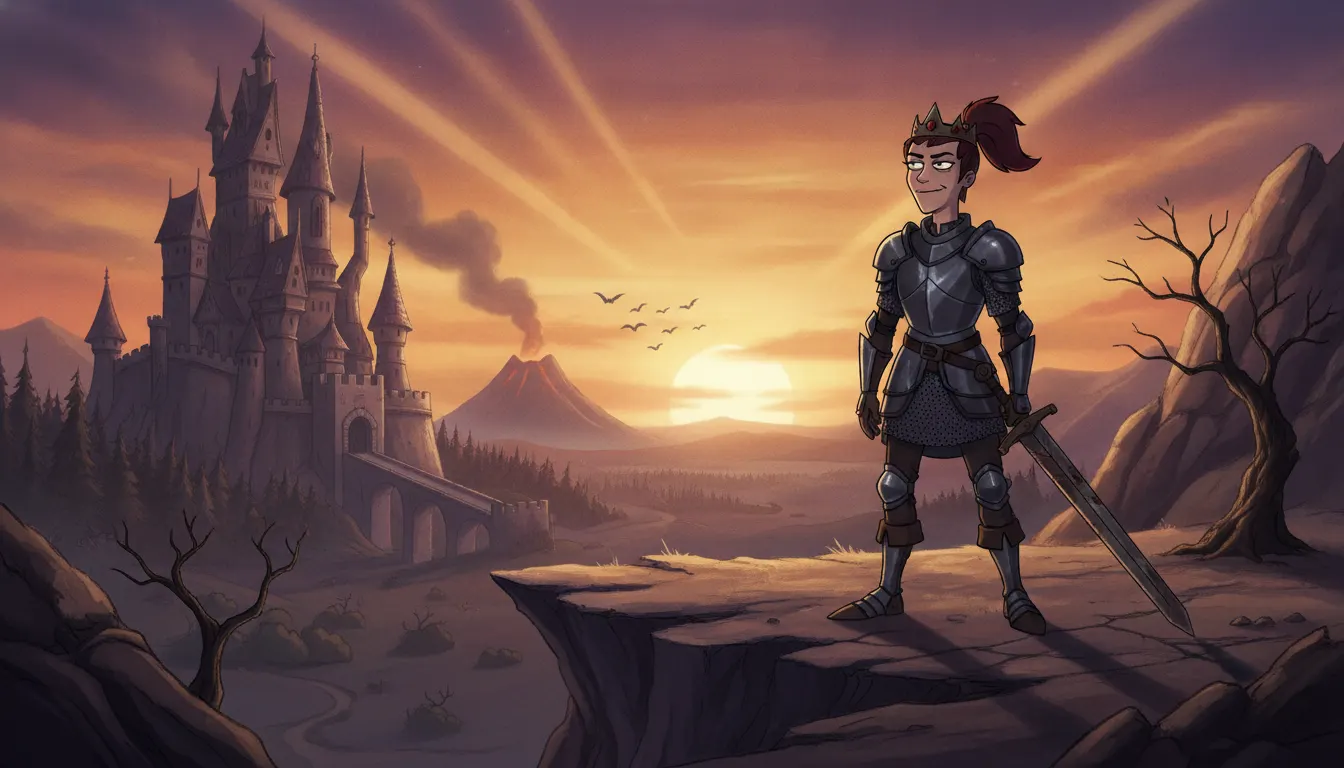
Matt Groening fantasy-medieval streaming epic. Dreamland castle exteriors, Groening overbite cast in chainmail, painterly Netflix-era backgrounds.
The moves a human crew would use to get here. Cue applies them for you, and knowing their names is how you ask for a change.
Characters use the underbite-forward, simplified-anatomy visual vocabulary of The Simpsons and Futurama, modified for medieval fantasy types.
Stone interiors use cold grey-blue tones while candlelight and firelight create warm amber pools, establishing a medieval visual temperature.
Avoids the saturated primaries of The Simpsons in favor of muted stone grays, forest greens, and Northern European earth tones.
Elves, demons, and creature characters are designed within the Groening vocabulary -- recognizably Groening, but with genre-specific fantasy modifications.
Castle rooms, outdoor locations, and background environments are designed to support narrative continuity across a multi-season arc.
Animation is produced at the same Korean facility as Futurama, giving the show Groening's characteristic smooth-digital-ink-and-paint quality.
Disenchantment premiered on Netflix on August 17, 2018, created by Matt Groening (The Simpsons, 1989; Futurama, 1999), produced by The Curiosity Company and Netflix Animation. The show was animated by Rough Draft Studios Korea (the same facility that animated Futurama) and ran for four parts through Season 4 in 2023.
Gracie Films collaborators were not involved -- Disenchantment was Groening's first solo Netflix project, allowing more narrative serialization than broadcast network animation permits. Josh Weinstein, a Simpsons veteran, served as showrunner.
Disenchantment's visual system represents a careful evolution of the Groening house style. The flat-color, bold-outline character design DNA of The Simpsons is visible but modified for the medieval fantasy setting: characters have longer, more angular features than Springfield residents, clothing has period-specific detail (medieval robes, armor, tavern wear), and environments use a colder, more muted palette appropriate to a Northern European medieval aesthetic.
Character designer Zac Moncrief developed designs for Dreamland's inhabitants that maintained Groening's signature visual vocabulary -- underbite-forward face construction, large eyes, simplified anatomy -- while introducing the fantasy character types the genre requires: elves, demons, talking animals, dragon companions.
Disenchantment's visual system is most directly descended from Futurama (1999-2013) rather than The Simpsons. Futurama had already demonstrated that the Groening character design vocabulary could be applied to genre (science fiction) with considerable success. Disenchantment applies the same logic to medieval fantasy, using the established Groening visual language as a foundation and building the genre's visual requirements on top.
The distinctive color palette -- muted stone grays, forest greens, candlelight ambers, cold northern blues -- was developed to signal medieval setting without the color saturation of The Simpsons' suburban palette. Dreamland castle and the surrounding Enchanted Forest are rendered with this deliberately cold-warm contrast: stone-and-shadow interiors versus warm lantern light.
Because Disenchantment uses Netflix's serialized format rather than broadcast television's episodic reset, the visual design needed to accommodate genuine narrative consequence: characters age slightly, locations transform, relationships have visual history. This is unusual in Groening's work -- The Simpsons has famously maintained the same visual age for 35 years.
The design team built a more detailed background world than typical Groening animation to support serialized storytelling. Dreamland's castle has dozens of specific rooms, underground passages, and external environments that characters return to across seasons.
Disenchantment arrived as streaming platforms were competing for prestige adult animation content. Netflix's acquisition of the Groening brand represented a major signal of confidence in adult animation as a premium content category. The show's medieval-fantasy setting distinguishes it from Groening's previous suburban (Simpsons) and science fiction (Futurama) registers.
Matt Groening / Netflix · 2018
The canonical work; the medieval fantasy extension of the Groening visual vocabulary
Matt Groening, David X. Cohen / Fox · 1999
The direct visual precursor; demonstrated the Groening vocabulary could work in genre settings
Matt Groening / Fox · 1989
Foundational work that established the character design vocabulary Disenchantment evolves
Raphael Bob-Waksberg / Netflix · 2014
Netflix adult animation contemporary in the same prestige-streaming-adult-comedy era
Nick Kroll / Netflix · 2017
Netflix adult animation in the same streaming acquisition wave as Disenchantment
A Look is not a filter. It is a set of stored decisions the pipeline reads before it makes a single frame, so two videos in the same Look actually match.