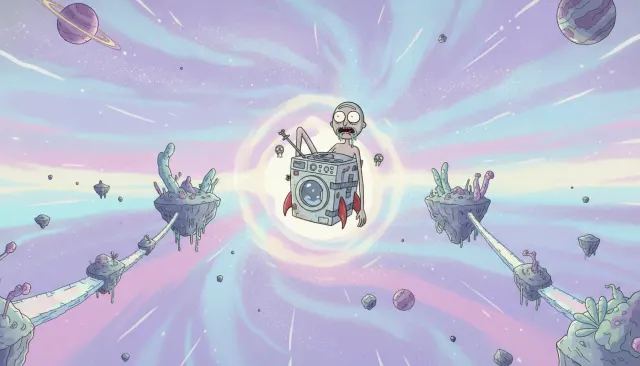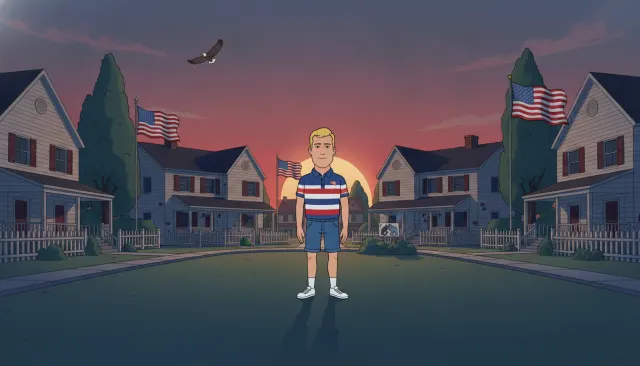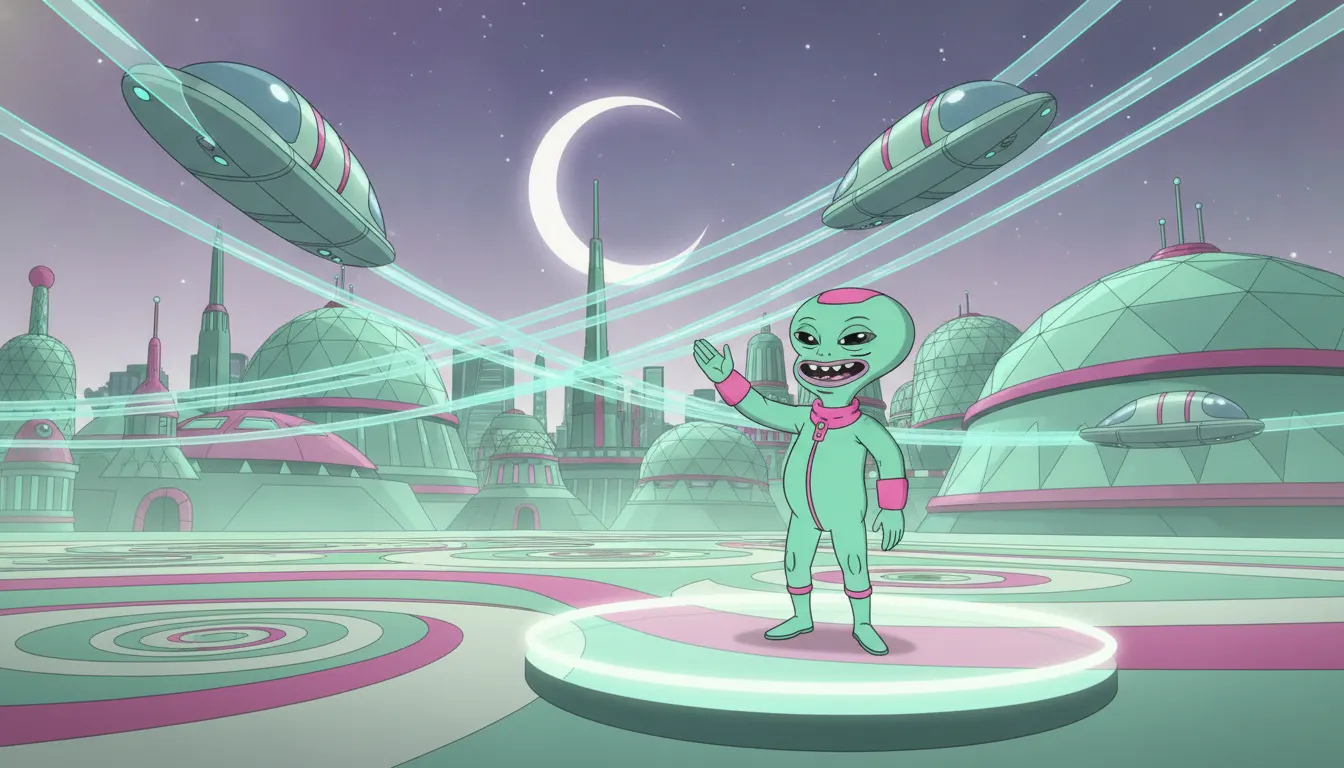
Futurama (Fox)
Matt Groening & David X. Cohen · 1999
Original Fox run; definitive retrofuturist TV animation world-building
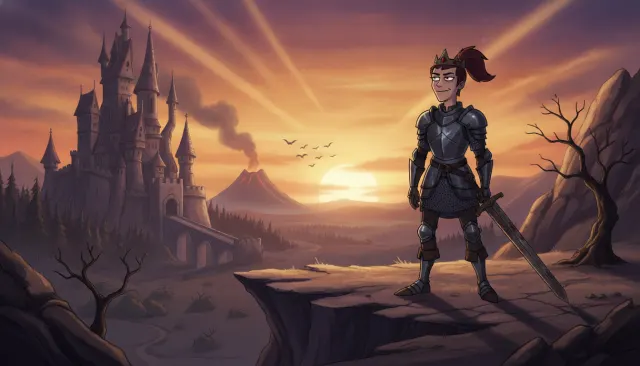
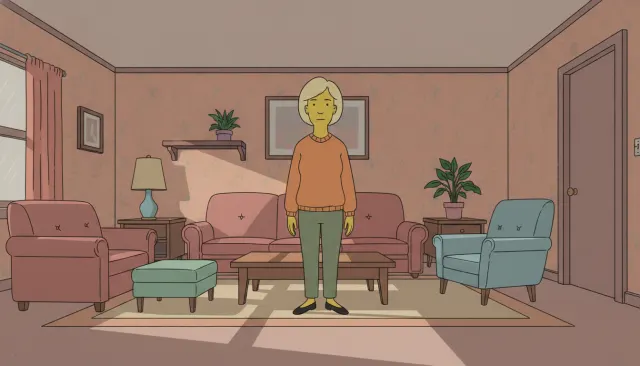
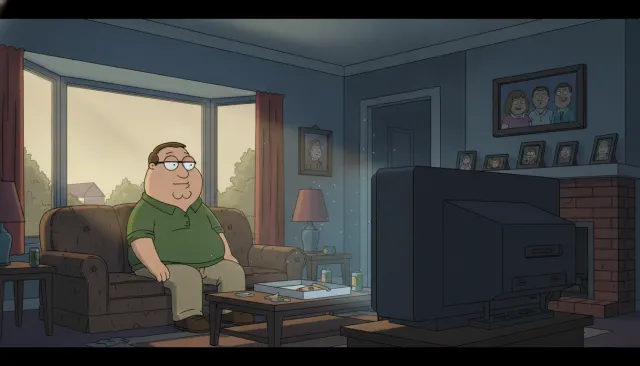
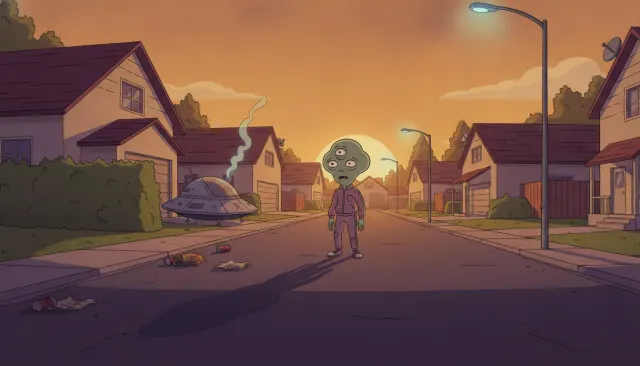
Matt Groening sci-fi sequel to The Simpsons. Curved-line atomic-age New New York, tube transport pneumatic palette, retrofuturist Planet Express.
The moves a human crew would use to get here. Cue applies them for you, and knowing their names is how you ask for a change.
Buildings and vehicles combine 1930s-50s pulp sci-fi aesthetics with contemporary CGI smoothness - round edges, chrome fins, and pneumatic tubes throughout.
Characters built on oval and cylinder geometry with four fingers, inherited from The Simpsons but expanded to include robots, aliens, and mutants.
Deep blues, warm browns, and neon accents create a lived-in future that feels both alien and domestic - the Planet Express building's browns vs. city exterior purples.
Environments packed with period-appropriate future props, alien product packaging, and visual jokes requiring pause-and-examine viewing.
Crisp, consistent outlines from Rough Draft Studios' Korean production pipeline - smoother than 1990s Simpsons but maintaining the same basic geometry.
Bender-style robots reference 1950s toy robots and science fiction illustrations - boxy metal forms with round portholes and clamp hands.
Background signs, alien writing, and incidental props contain secondary visual jokes visible on freeze-frame, rewarding multiple viewings.
Futurama is an animated science fiction comedy series created by Matt Groening and David X. Cohen that premiered on Fox on March 28, 1999. After cancellation in 2003, it was revived via direct-to-DVD movies in 2007-2009, returned to Comedy Central from 2010-2013, and was revived again on Hulu/Peacock in 2023 with new episodes still in production. Its visual identity is one of the most distinctive and cohesive in American animation history.
The show is set in New New York in the year 3000. Its visual philosophy is built around a central paradox: the far future filtered through 1930s-1950s sci-fi pulp aesthetics. This is not an accident but a deliberate design choice by production designer Mauro Casalese and the art department. The result is a 'retrofuturism' that looks simultaneously ancient and advanced - flying cars coexist with pneumatic tubes, robot designs reference 1950s toy robots, and alien architecture borrows from golden-age science fiction illustration.
Character designs are closely related to The Simpsons (Groening's earlier show) in their basic geometry - oval bodies, simple expressive faces, four-fingered hands. But Futurama's sci-fi context allows for more varied silhouettes: Bender is a boxy rectangle of shining chrome, Kif is a willowy green alien, Zoidberg is a crustacean. The design vocabulary expands across hundreds of alien, robot, and mutant character types while maintaining internal consistency through Groening's signature simple-curve style.
New New York is stacked vertically: surface streets, mid-air flying lanes, and undersurface slums. The color palette is rich and saturated - warm browns and beiges for the Planet Express building interior, cool blues and purples for city exteriors, neon pinks and greens for alien nightlife environments. The backgrounds feature round-edged architecture, Art Deco skyscraper profiles updated with chrome and hover-pads, and a pervasive sense of lived-in clutter.
Original Fox run (1999-2003) was produced by Rough Draft Studios in Korea with traditional digital cel animation. The Comedy Central revival (2010-2013) maintained visual continuity while slightly updating facial expressiveness. The 2023 Hulu revival used fully modern digital pipeline while consciously preserving the original color and character design language. All runs feature Rough Draft's detailed background work and clean line quality.
Futurama's retrofuturism draws on 1950s Popular Mechanics illustrations, Buck Rogers serials, pulp magazine cover art, and the Raygun Gothic design movement. Specific reference points include Chesley Bonestell's spacecraft paintings, the Jetsons (1962), and 1950s World's Fair pavilion design. This aesthetic has influenced graphic novels, video game UI design, and independent animation throughout the 2000s-2020s.
Matt Groening & David X. Cohen · 1999
Original Fox run; definitive retrofuturist TV animation world-building
Matt Groening & David X. Cohen · 2007
First direct-to-DVD revival film; time travel narrative expanding the visual world
Matt Groening & David X. Cohen · 2010
Cable revival seasons 6-7; slightly updated digital pipeline
Matt Groening & David X. Cohen · 2023
Second revival; modern pipeline with preserved original visual language
Hanna-Barbera · 1962
Primary retrofuturist TV animation antecedent Futurama updates
Matt Groening · 2018
Groening's Netflix medieval fantasy series using evolved version of same character design language
A Look is not a filter. It is a set of stored decisions the pipeline reads before it makes a single frame, so two videos in the same Look actually match.