Clash Royale (Supercell, 2016)
the defining reference
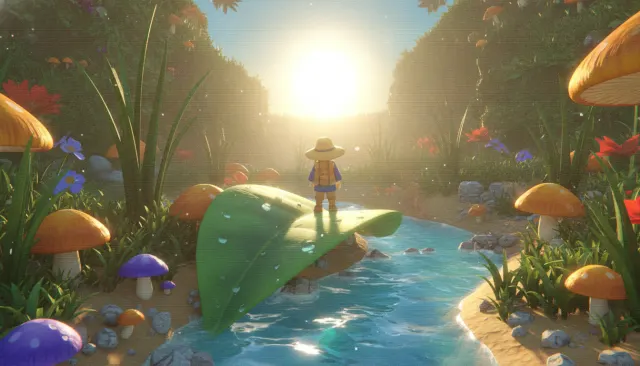
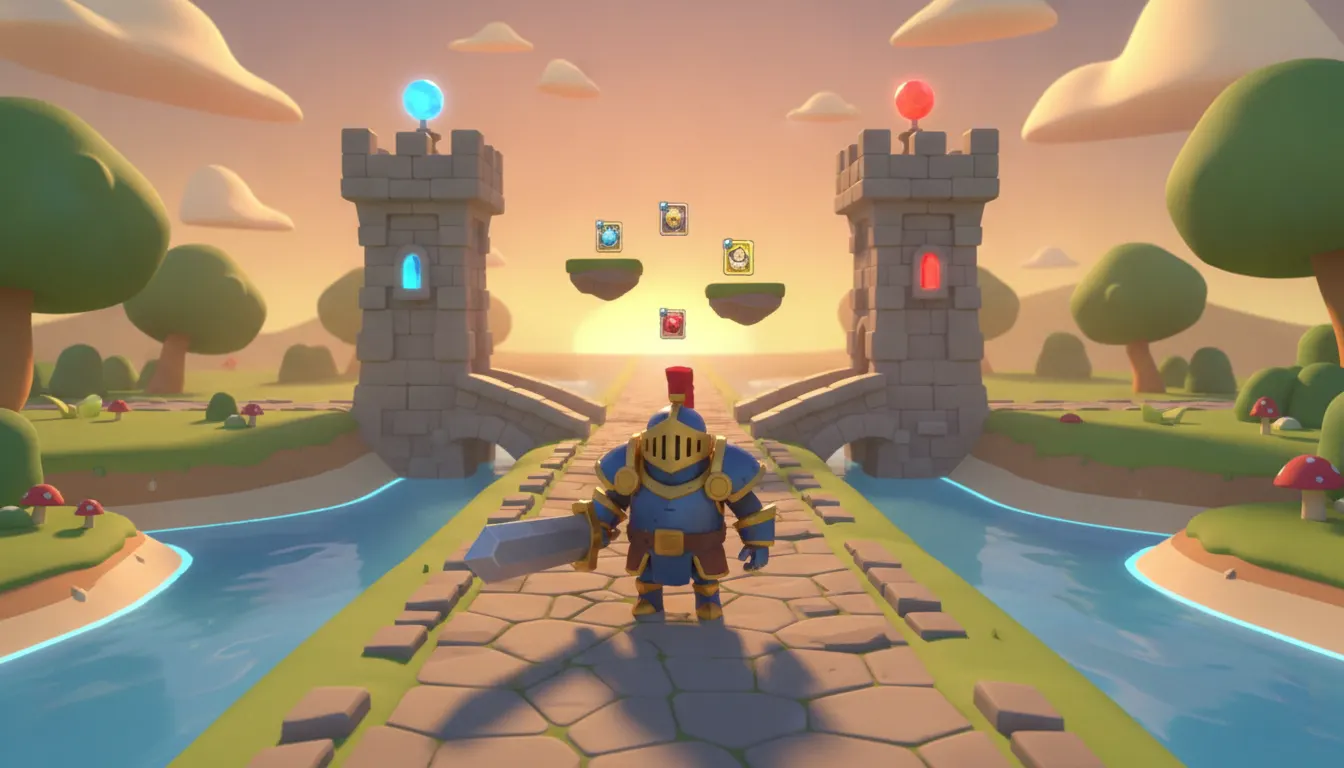
Clash Royale Supercell cartoony 3D mobile aesthetic. Tower-defense card-collector hybrid, exaggerated chunky 3D characters, vibrant arena palette, free-to-play mobile staple.
The moves a human crew would use to get here. Cue applies them for you, and knowing their names is how you ask for a change.
first camera angle - lower perspective than CoC shows character animation and personality more directly
3D characters in gameplay arena, 2D painted portrait cards in UI
tier progression visual identity - each tier has distinct materials, colors, and prestige signaling
large character face expressions as social communication layer over gameplay
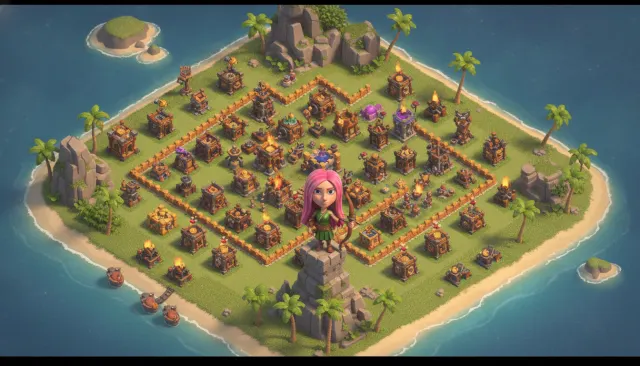
Clash Royale (Supercell, 2016) took the character library established in Clash of Clans (Supercell, 2012) and recontextualized it for real-time card-battle gameplay, with significant visual design implications. Where Clash of Clans uses a strategic top-down view of a persistent village, Clash Royale places characters in a narrow vertical arena with a lower camera angle that allows more expressive character animation and direct player engagement with unit personalities.
The shift to real-time card-battle gameplay required enhanced character expressiveness. Units in Clash Royale have signature entrance animations, victory dances, and idle behaviors that were less developed in the village-builder context. The Giant punches his fists together; the Prince charges with lance lowered; the Princess shoots arrows with an aristocratic air. This personality-through-animation approach made characters marketing assets as much as gameplay elements, enabling the tower-skin and emote economy.
The game's arena system - players progress through increasingly prestigious arena tiers, each with distinct visual design (Training Camp's basic wooden fencing to Legendary Arena's golden tournament field) - created a progression visual language that communicated status and achievement. This arena aesthetic influenced how esports and competitive gaming visual design thought about tier progression.
The card interface - each unit displayed as a painted portrait on an orange/blue gem-framed card - became one of the most recognizable UI patterns in mobile gaming. The card art uses 2D painted portrait illustrations rather than 3D model renders, creating a secondary visual register within the same game: 3D gameplay versus 2D collectible-card UI. This duality influenced the entire card-battle game genre.
As Clash Royale developed a competitive esports scene, the art direction had to scale - tournament broadcasts use the cartoony 3D characters but frame them in broadcast-quality presentation graphics. The challenge of making casual cartoony 3D read as competitive and serious is an interesting design problem the team solved through confident, bold broadcast design.
the defining reference
originating character library
further evolution, top-down arena brawler
tabletop strategy spin-off same universe
parallel cartoony 3D arena strategy
card-battle with similar character-card dual aesthetic
precursor card game establishing painted portrait card UI
A Look is not a filter. It is a set of stored decisions the pipeline reads before it makes a single frame, so two videos in the same Look actually match.