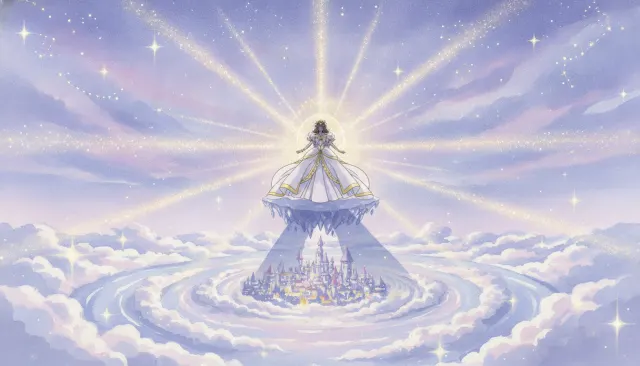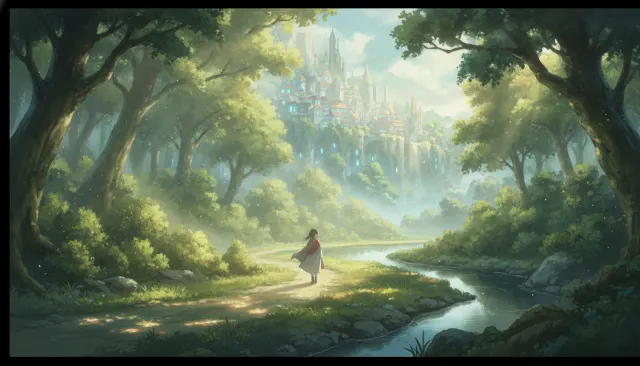
Bloom Into You / Yagate Kimi ni Naru
2018
TROYCA, dir. Makoto Katō, aesthetic benchmark
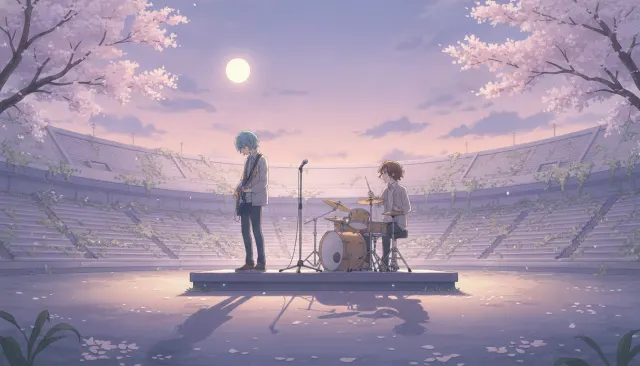
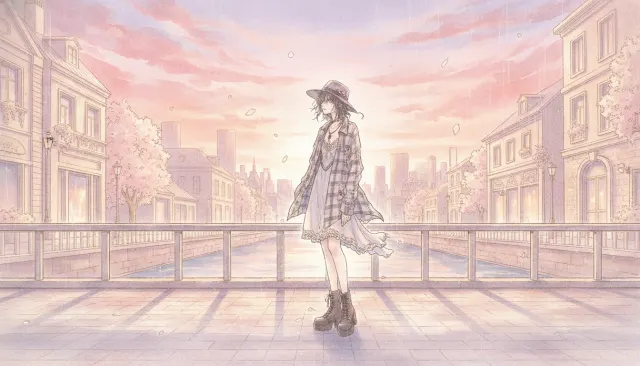
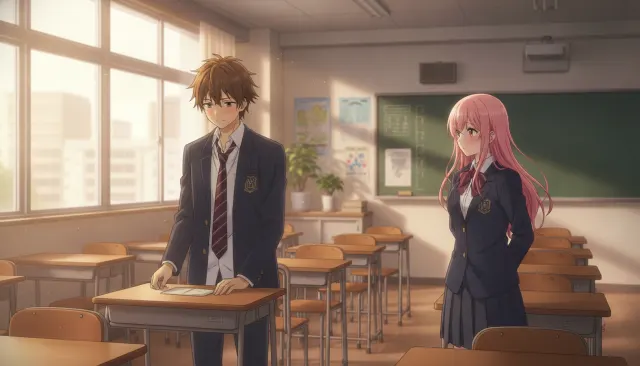
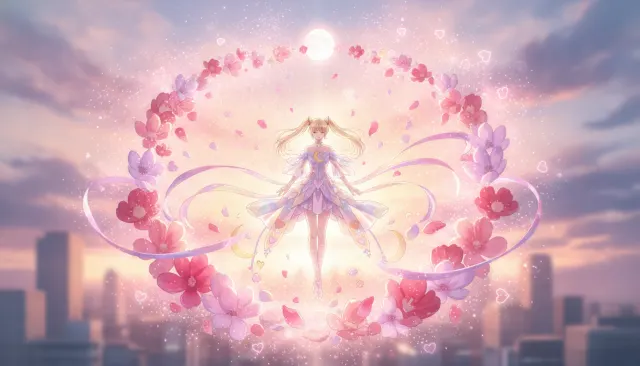
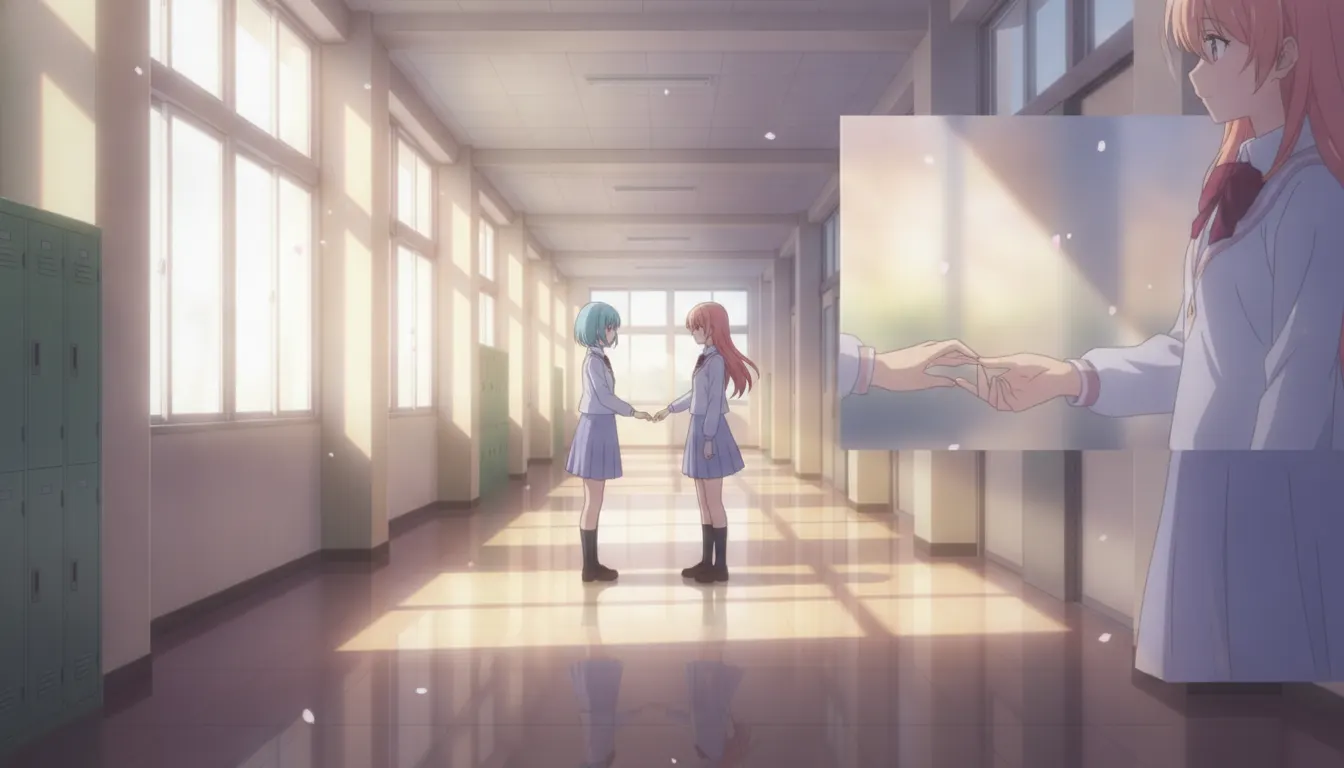
Light yuri / class-S register (Bloom Into You, Citrus, Adachi to Shimamura). Soft pastel palette, school-corridor staging, hesitant glances, hand-touch close-ups.
The moves a human crew would use to get here. Cue applies them for you, and knowing their names is how you ask for a change.
all colors shifted toward muted, slightly grayed versions -- no vivid primaries, everything soft and slightly washed
up on hands: hand proximity, finger overlap, and hand-holding rendered with careful anatomical attention as the primary physical intimacy visual
contact sustained hold: long cuts on eye contact between the two leads, reading the emotional state transmitted between them
close-up on hair texture, windblown movement, or deliberate touch during emotional peaks
standard establishing shot placing the emotional moment in the genre-coded school environment
cicadas, rain on windows, library page-turning -- aural environment reinforces visual intimacy
soft pink washes covering ear and cheekbone in addition to standard nose-bridge blush, signaling deeper or more sustained emotion
Yuri (百合, literally 'lily') is the Japanese manga and anime genre depicting romantic or intimate relationships between female characters. The genre spans from the subtle and implied (dubbed 'shoujo-ai' or 'girls' love' in Western fandom taxonomy) to explicit adult content ('yuri' in the narrower Japanese industry sense). The mainstream anime aesthetic discussed here covers the soft, pastel-coded school-romance sub-genre.
The mainstream yuri anime aesthetic occupies a space between josei romance and shojo school romance, borrowing the soft pastel palette and school setting of both while applying them specifically to female-female relationships. The visual language deliberately emphasizes softness, closeness, and atmosphere over dramatic conflict -- gentle touch, shared glances, physical proximity in quiet spaces.
Bloom Into You (Yagate Kimi ni Naru, 2018, TROYCA, dir. Makoto Katō, adapted from Nakatani Nio's manga) is the critical benchmark of the contemporary yuri anime aesthetic. The production used a desaturated pastel palette -- blues and greens muted to near-grey, skin tones warm and light -- with extraordinary care for environmental lighting. Cherry blossoms, classroom window light, and library atmosphere are rendered with the same meditative quality as iyashikei series.
Citrus (2018, Passione, adapted from Saburouta's manga) demonstrated a more dramatic, conflict-driven variant of the aesthetic, using higher contrast and more saturated pinks and purples to signal the genre's more intense emotional register.
Whisper Me a Love Song (Sasayaku You ni Koi wo Utau, 2024, Manhattanpunks, adapted from Eku Takeshima's manga) represents the contemporary streaming-era production with updated digital animation quality.
The school setting in yuri anime carries specific meanings: the classroom and hallways as spaces of public observation where private feeling must be concealed; the music room, library, or garden as semi-private spaces where feeling can be expressed; the school uniform as equalizer that puts romantic partners in the same visual register. Season markers -- cherry blossoms (spring, new beginnings), rainy season (intimacy indoors), winter (endings and confessions) -- carry heightened meaning.
The yuri genre's visual vocabulary has been shaped by its publication in Comic Yuri Hime (Ichijinsha, founded 2003) and more recently in shonen and general magazines as the genre gained mainstream acceptance. The aesthetic evolved from 'Class S' fiction of the early 20th century (relationships between schoolgirls understood as a phase before heterosexual marriage) to contemporary depictions of mutual romantic love.
2018
TROYCA, dir. Makoto Katō, aesthetic benchmark
2018
Passione, more dramatic higher-contrast variant
2024
Manhattanpunks, contemporary streaming production
2020
Geek Toys, quiet slice-of-life yuri
2006
Madhouse, classic boarding school yuri
Studio Deen, proto-yuri school drama
2014
Studio Deen, explicit school yuri comedic tone
1997
J.C. Staff, dir. Ikuhara, avant-garde precursor
A Look is not a filter. It is a set of stored decisions the pipeline reads before it makes a single frame, so two videos in the same Look actually match.