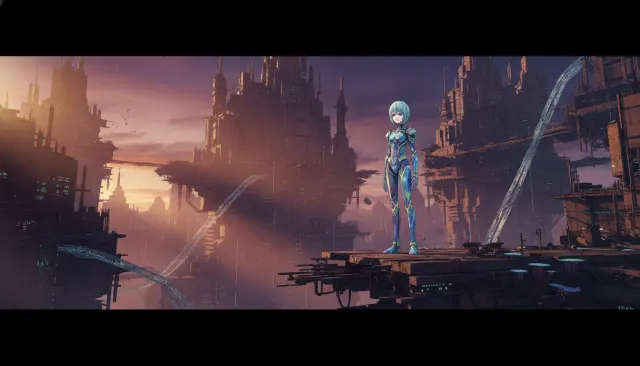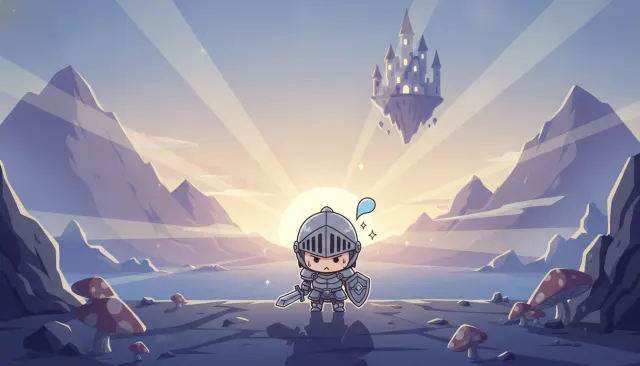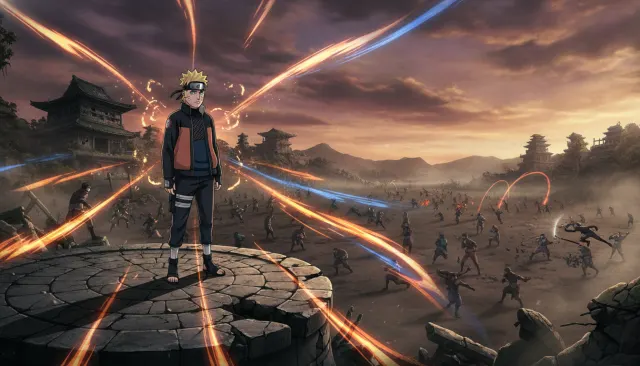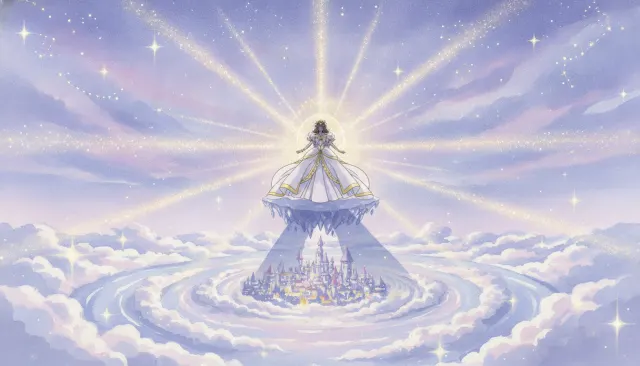
Fate/stay night (Type-Moon, 2004)
the definitive high-end visual novel aesthetic
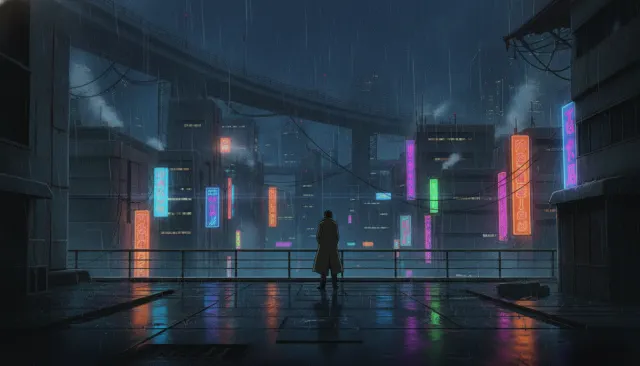
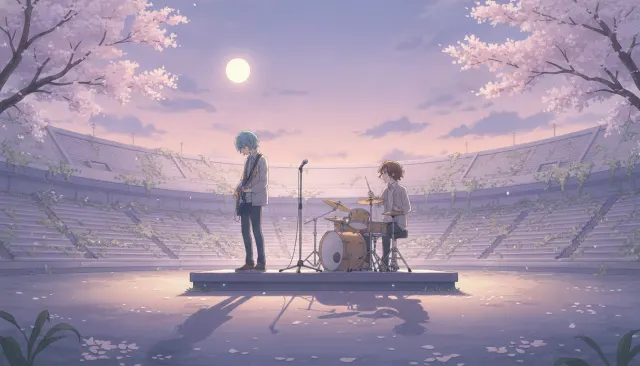
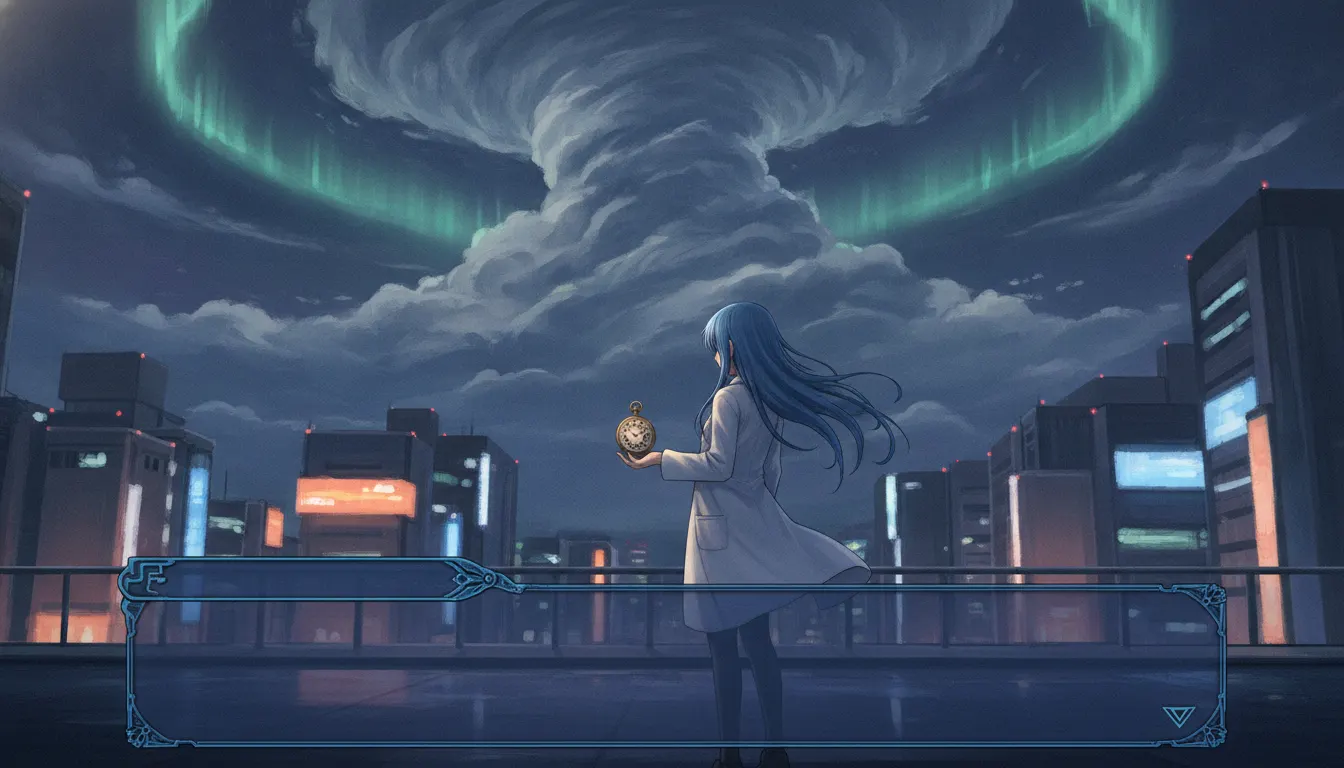
Visual novel anime 2D character-portrait aesthetic. Steins;Gate Clannad Type-Moon dialogue-box bottom, cel-shaded character sprite over static background.
The moves a human crew would use to get here. Cue applies them for you, and knowing their names is how you ask for a change.
900px tall) against painted or photographically-derived backgrounds
base color, shadow, highlight, and specular shine mark as simplified flat shapes
5-12 emotional states as separate sprite images
of-day background variants: day/evening/night/rain for each location
fully rendered scenes replacing sprite system
The visual novel is one of the most commercially dominant game genres in Japan - a $4 billion annual market that has produced canonical works across romance, horror, mystery, and philosophical inquiry. The visual novel anime 2D portrait aesthetic defines this genre: standing character illustrations ("sprites") displayed against painted or photographic background scenes, with text dialogue below and periodic CG event illustrations for key narrative moments.
Visual novel engines - most commonly Ren'Py (open source, 2004-present) for Western indie productions, or proprietary tools for commercial Japanese productions - display 2D sprite images against 2D background art. Character sprites are typically 600-900 pixels tall against 1280x720 or 1920x1080 backgrounds. Characters exist as flat images with multiple expression variants: neutral, happy, sad, surprised, angry, embarrassed, each as a separate sprite image.
The character portraits use a highly specific anime aesthetic developed through visual novel production over decades. Faces follow the anime convention of large eyes (typically occupying 1/3 of face height), simplified noses, and expressive mouth curves. Hair uses "hair group" conventions: large distinct sections of hair rendered as simplified shapes with three shading tones (base, shadow, highlight), often including an implausible highlight shine mark.
Type-Moon (founded by Kinoko Nasu and Takashi Takeuchi, 1998) established the definitive high-end visual novel aesthetic with Tsukihime (2000) and Fate/stay night (2004). Takeuchi's character designs - particularly the female character portraits in Fate/stay night featuring Saber, Rin Tohsaka, and Sakura Matou - became the visual reference point for the entire industry. The Fate franchise (Fate/stay night, Fate/Zero, Fate/Grand Order) has expanded into animation, live-service mobile games, and merchandise, making Takeuchi's visual style one of the most financially significant illustration approaches in contemporary Japanese media.
Visual novel backgrounds are typically painted in a photorealistic-plus-stylized hybrid approach: a real photograph or photorealistic painting of a location (school corridor, bedroom, park, convenience store) with saturation and contrast adjusted to harmonize with the anime character sprites overlaid on them. Time-of-day variants (day, evening, night, rainy) of each background allow the same location to carry different moods.
Doki Doki Literature Club (Team Salvato, 2017) demonstrated that the visual novel aesthetic could be weaponized for horror and meta-commentary. The deliberately conventional visual novel aesthetic - pastel backgrounds, cheerful sprite designs, standard dating-sim music - makes its horror elements more effective through contrast with established genre expectations.
the definitive high-end visual novel aesthetic
Type-Moon's founding work establishing Takeuchi's visual style
emotional visual novel defining the "utsuge" tradition
meta-horror visual novel using genre conventions
Western community-developed VN in Japanese tradition
science fiction VN achieving mainstream recognition
A Look is not a filter. It is a set of stored decisions the pipeline reads before it makes a single frame, so two videos in the same Look actually match.