Andre Adolphe-Eugene Disderi
carte-de-visite patent 1854, Paris studio
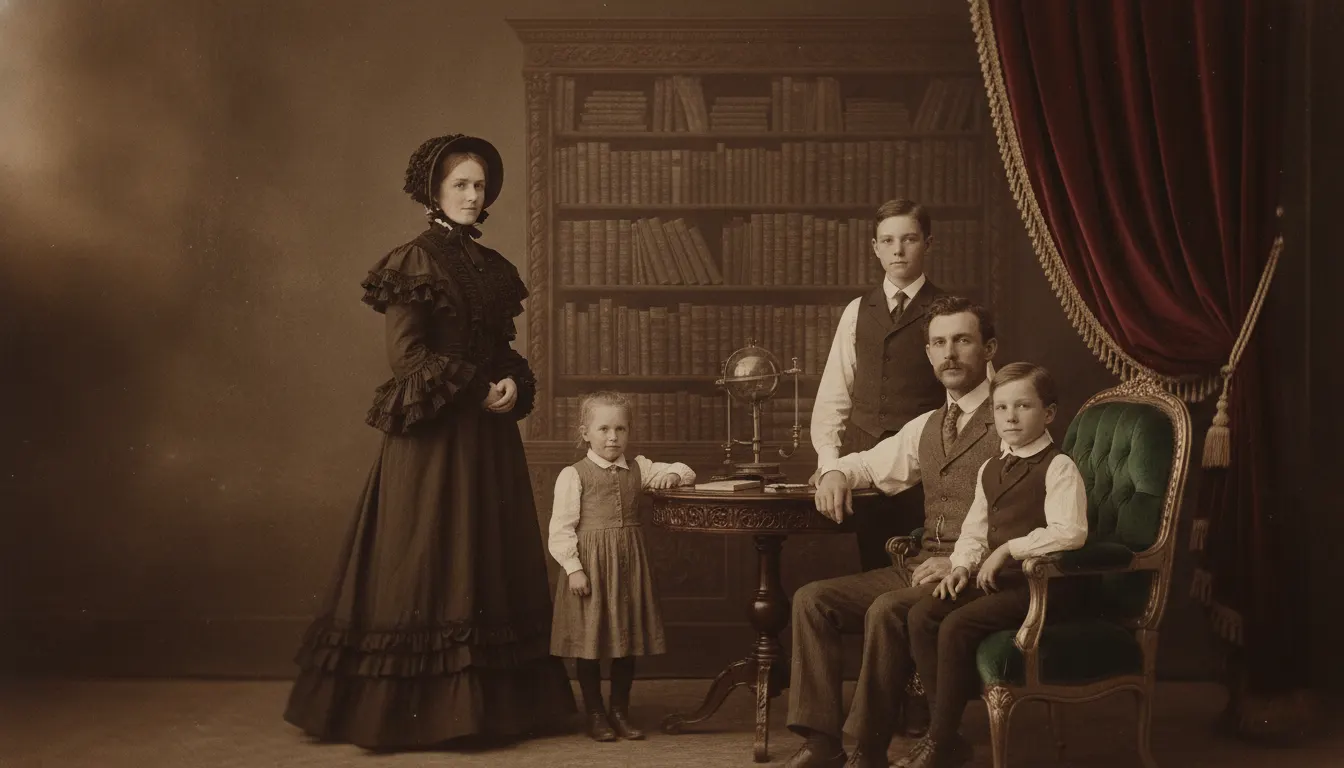
High-Victorian studio cabinet card. Painted bookcase backdrop, velvet drape, ornate furniture, stiff hand-on-shoulder family pose.
The moves a human crew would use to get here. Cue applies them for you, and knowing their names is how you ask for a change.
brown tonality: reddish highlights, purple-brown shadows, no pure whites
garden scene, classical columns, draped velvet curtains, or plain graduated gray
ornate chair, balustrade, pedestal column, or table as compositional anchor
neutral expression, deliberate hand and arm placement
de-visite or cabinet card format with studio imprint on reverse cardstock mount
smoothed skin, softened wrinkles, enhanced eyes
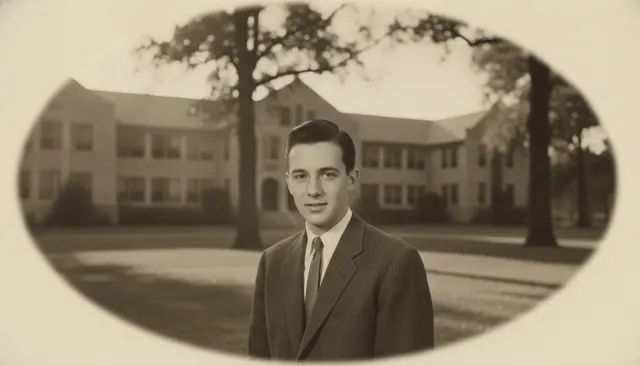
The Victorian portrait studio of the 1880s represented the full industrialization of photographic portraiture. Building on the daguerreotype and tintype traditions of the preceding decades, professional photographers in the 1880s operated large, purpose-built studios with northern-facing skylights, elaborate painted backdrop collections, studio prop inventories, and trained retouchers who worked on glass negatives before printing.
The dominant portrait formats of the 1880s were the carte-de-visite (CDV, approximately 2.5 x 4 inches, mounted on cardboard) and the larger cabinet card (4.25 x 6.5 inches). Invented by Andre Adolphe-Eugene Disderi in Paris in 1854 and patented in 1854, the carte-de-visite had become a global phenomenon by the 1860s-1880s. Studio photographers produced 8 or 12 exposures per session on a single glass plate using a multi-lens camera, then cut and mounted the prints on standardized cardstock with the photographer s studio imprint on the reverse.
Collecting cartes-de-visite became a middle-class parlor activity: albums designed specifically for CDV display were sold in the millions, and portraits of celebrities - Queen Victoria, Napoleon III, prominent politicians and actors - circulated as a form of early celebrity culture.
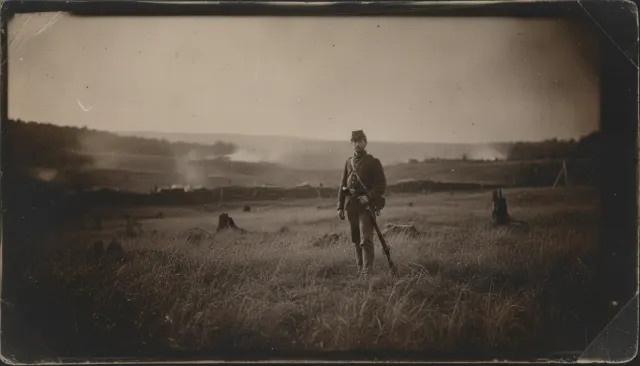
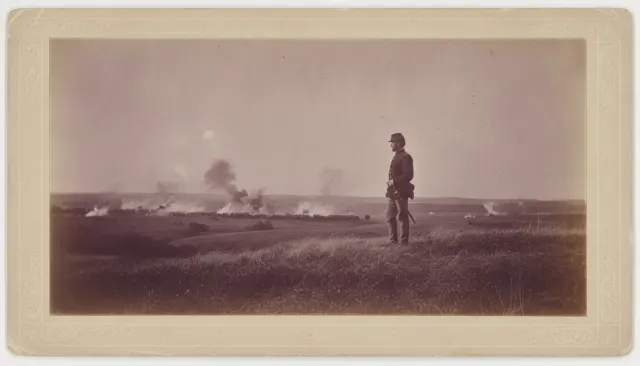
The albumen silver print, which dominated professional portraiture from the 1850s through the 1890s, has a distinctive warm sepia-brown tonality that separates Victorian photography visually from the neutral gray of modern silver gelatin prints. Albumen is made by coating paper with egg white containing silver nitrate, then sensitizing it in a silver bath. The resulting image has a slightly glossy surface and a warm tone that shifts toward reddish-brown in highlights and cooler purple-brown in shadows.
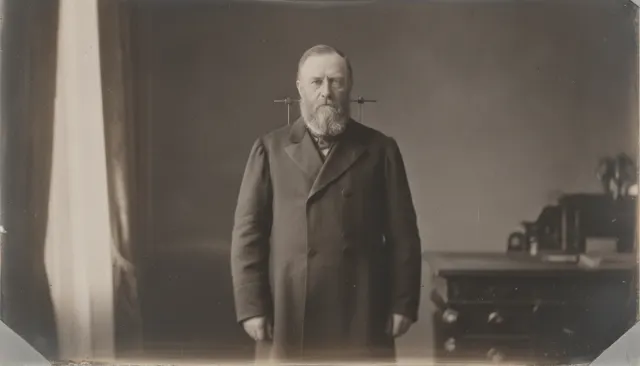
Victorian studio portraits follow rigid compositional conventions. Subjects are arranged against painted scenic backdrops (gardens, classical columns, draped curtains) or plain graduated backgrounds. They often hold or lean against studio props: chairs, balustrades, tables, urns. Posing guides of the era specified exact arm, hand, and head positions that communicated status, gender, and social role through physical attitude. Expression was typically neutral or slightly dignified: the 5-30 second exposures of the era penalized animated expressions, and cultural convention associated solemnity with respectability.
carte-de-visite patent 1854, Paris studio
Paris portrait studio 1850s-1880s, celebrity subjects
pictorialist portrait studies 1864-1879, unconventional soft focus
most collected Victorian CDVs
New York studio portraits of theatrical celebrities 1870s-1890s
portrait photography 1856-1880
Boston portrait studio 1843-1862, transitional to albumen era
A Look is not a filter. It is a set of stored decisions the pipeline reads before it makes a single frame, so two videos in the same Look actually match.