Hamilton Smith
ferrotype process patent 1856, foundational technology
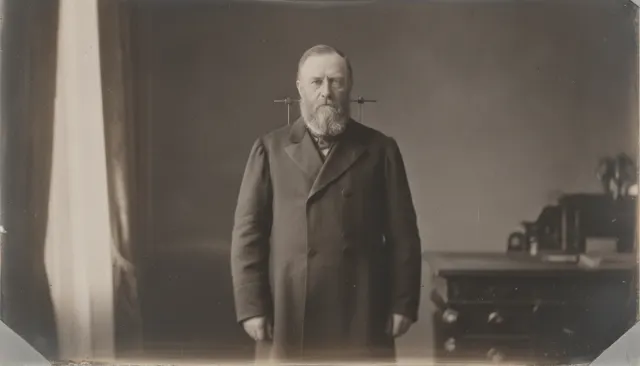
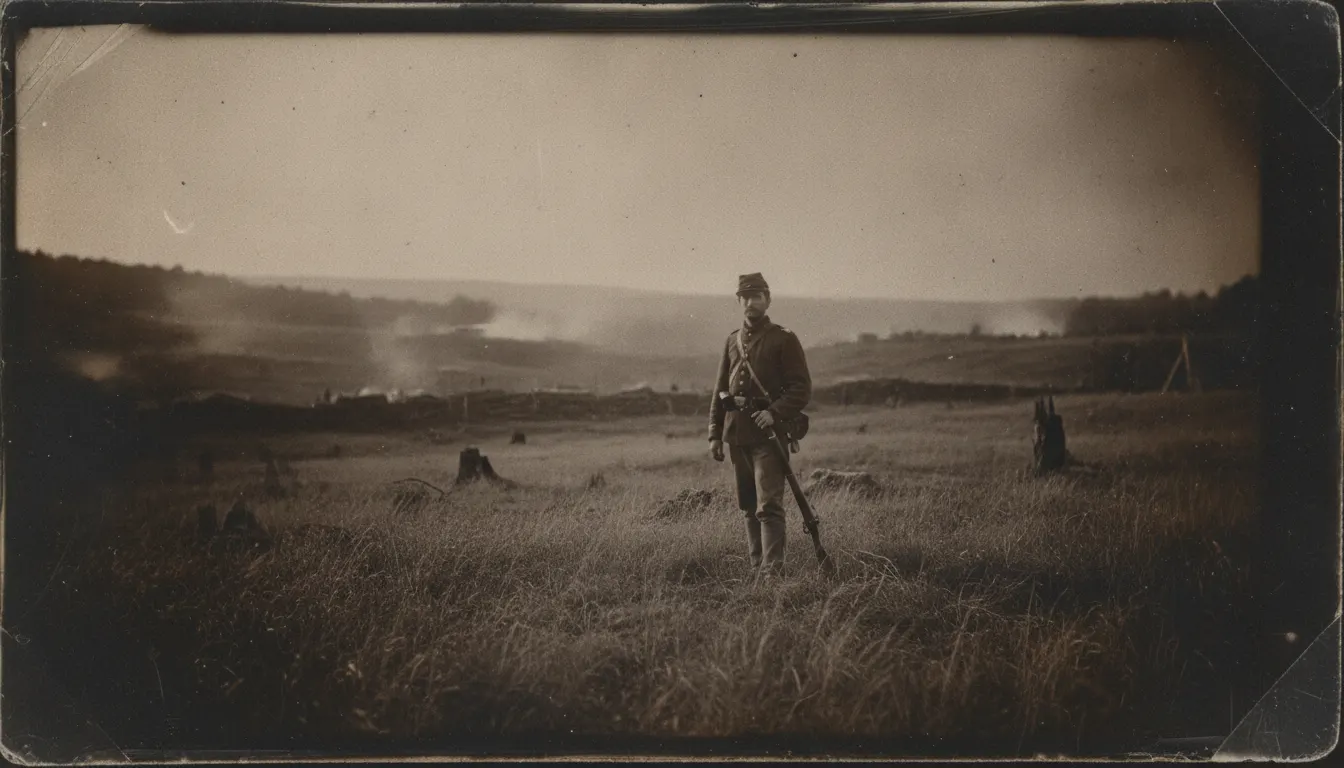
Wet-plate tintype on lacquered iron. Civil War field portrait, ambrotype tonality, scratched edges, sober soldier or carpenter.
The moves a human crew would use to get here. Cue applies them for you, and knowing their names is how you ask for a change.
gray ground: no pure whites, highlights render as warm pewter rather than bright silver
30 second exposure seriousness - no smiling, slight blur acceptable
whole-plate (6.5 x 8.5in) down to gem tintype (1in diameter)
slightly granular, occasionally showing plate preparation marks
coloring: muted rose on cheeks, gold on buttons and insignia
plate formats
The tintype, or ferrotype, was one of the most consequential photographic technologies of the 19th century. Invented in 1856 by Hamilton Smith in the United States (and simultaneously by Adolphe-Alexandre Martin in France), the process produced images on thin iron plates coated with a dark lacquer and a photosensitive collodion emulsion. The resulting photographs were cheap, durable, and did not require the glass or paper substrates of competing processes, making them ideal for the mass-market portrait studios that proliferated during the Civil War.
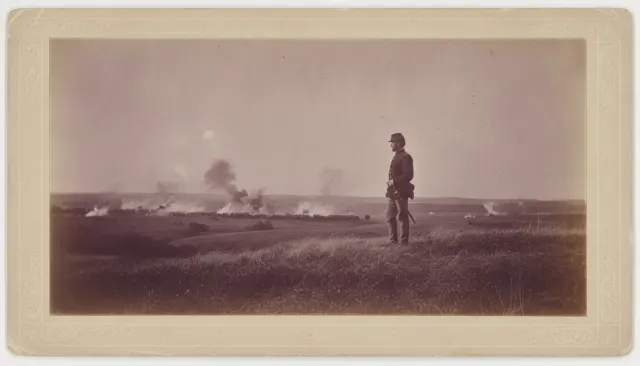
Mathew Brady and his extensive network of studio operators - including Alexander Gardner and Timothy O Sullivan, who later worked independently - documented the Civil War through a combination of tintype studio portraits and wet-plate collodion glass negatives. Brady s New York and Washington studios produced thousands of tintype portraits of Union soldiers before their deployment, creating an unprecedented photographic record of ordinary Americans that had no equivalent in any prior conflict.
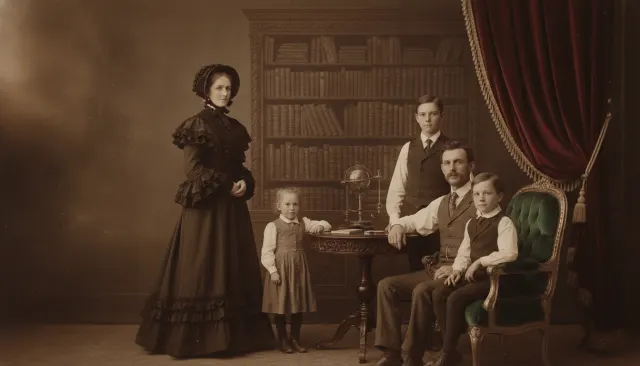
The Brady studio operation was a production system: assistants prepared plates, managed the darkroom, and processed images while Brady and his operators focused on posing and exposure. The result was a standardized but humanizing portrait convention: soldiers seated or standing against plain backdrops, often in uniform, gazing directly into the lens with the seriousness that the 10-30 second exposures of the era demanded.
The tintype s visual signature derives from its iron substrate and collodion chemistry. Images appear on a dark gray or black ground, with highlights rendering as warm silver-gray and shadows sinking into near-black. There is no pure white in a tintype: the brightest areas have a pewter, metallic quality. The images are typically small - from the large whole-plate (6.5 x 8.5 inches) down to the tiny gem tintype (1 inch diameter) inserted into paper or leather cases.
Surface texture varies from smooth to slightly granular depending on the quality of the lacquer ground and the precision of the collodion coat. Many surviving tintypes show oxidation patterns, scratches, and surface erosion that add visual texture to contemporary reproductions.
Tintype studios commonly offered hand-colored portraits for a premium charge. Colorists applied diluted oil or watercolor pigments to cheeks (a rosy pink), uniform buttons (gold), and insignia details, adding a muted warmth to the metallic gray palette. This convention of selective, understated hand coloring persists as a reference point in period-evocative photography and film today.
ferrotype process patent 1856, foundational technology
Civil War studio portrait series 1861-1865, Washington and New York
1866
Gardner s Photographic Sketch Book of the War
battlefield and field photography 1862-1865
among the most reproduced 19th century images
A Look is not a filter. It is a set of stored decisions the pipeline reads before it makes a single frame, so two videos in the same Look actually match.