R-Type (Irem, 1987 arcade, 1988 PC Engine)
defining horizontal shooter on PC Engine
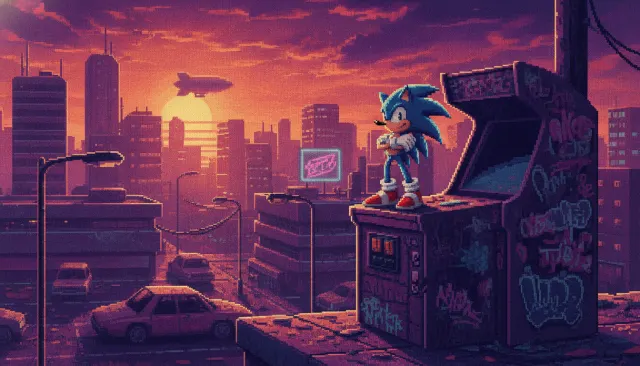
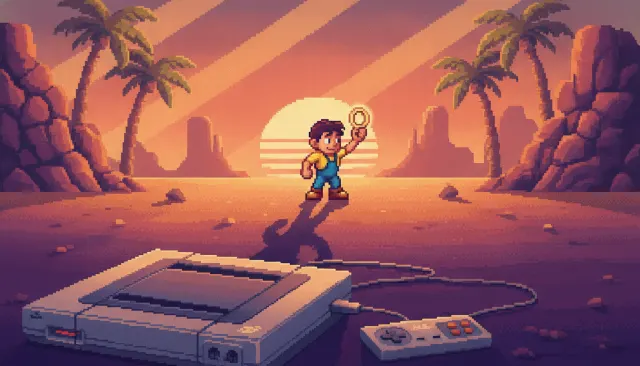
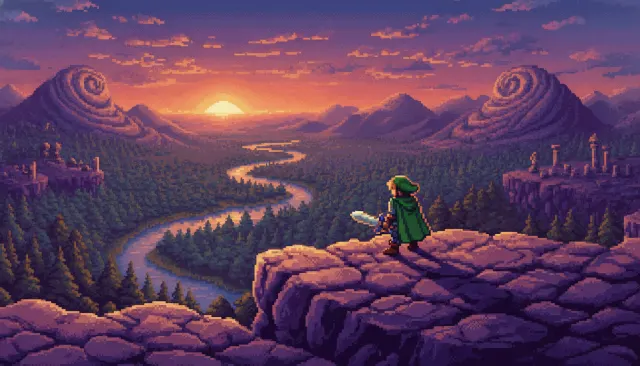
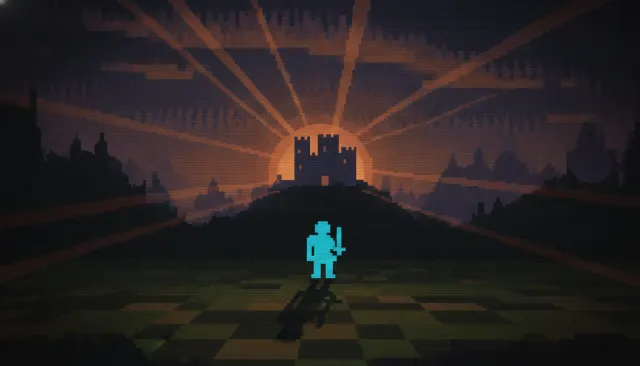
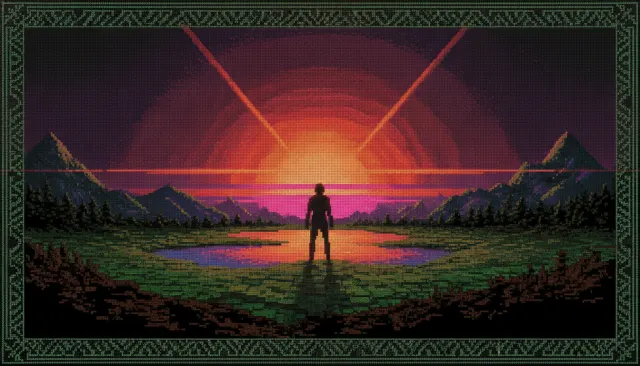
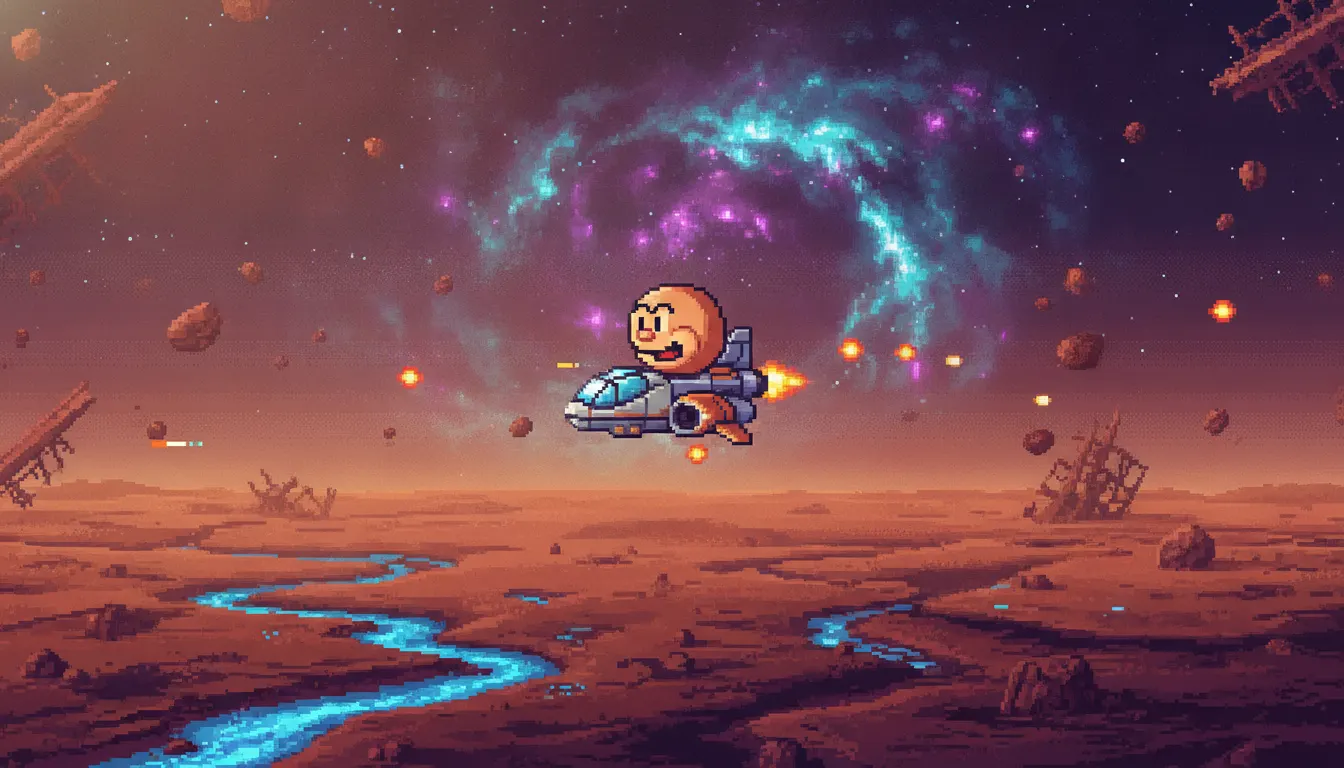
NEC TurboGrafx-16 PC Engine shooter aesthetic. 482-color HuC6270 palette, vertical shmup parallax, Bonk and R-Type era cult-classic Japanese pixel art.
The moves a human crew would use to get here. Cue applies them for you, and knowing their names is how you ask for a change.
color palette enabling richer color environments than NES or early Sega hardware
screen sprite counts (64 simultaneous) with minimal flicker under load
blend particle effects for laser fire, explosions, and projectile trails
ROM2 audio integration - heavy metal, orchestral, or electronic soundtracks matching visual intensity
The TurboGrafx-16 (NEC, released 1987 in Japan as the PC Engine, 1989 in North America) was a transitional system between 8-bit and 16-bit hardware - technically 8-bit CPU with a 16-bit graphics subsystem - that became the definitive platform for the shoot-em-up (shmup) genre during its commercial peak. R-Type (Irem, 1987 arcade, 1988 PC Engine), Soldier Blade (Hudson Soft, 1992), and Gate of Thunder (RED, 1992) established the visual language of the genre at its most refined.
The PC Engine's HuC6270 video controller supported 512 colors from a 512-color palette (9-bit color), with 64 simultaneous sprites on screen and 16 per scanline - hardware specifications that made it well-suited to the dense sprite environments of shoot-em-ups. The scrolling hardware supported both horizontal and vertical modes, enabling both horizontal scrollers (R-Type) and vertical scrollers (Soldier Blade) to perform their large-sprite dense-screen scenarios without the sprite flicker that plagued NES hardware under load.
R-Type's PC Engine port is considered one of the most impressive examples of home hardware preserving an arcade experience. The game's giant boss monsters - some occupying multiple screen-widths - required the PC Engine to display dozens of large sprites in close proximity. The visual aesthetic: biomechanical enemy design inspired by H.R. Giger, grey and brown metallic structures against deep space backgrounds with intense particle fire from both the R-9 fighter and enemy projectile barrages. This palette - cool greys, deep blacks, intense orange laser fire and explosions - defined the late-1980s horizontal shooter visual.
The PC Engine's CD-ROM2 add-on (1988) enabled a second generation of games with CD audio soundtracks and more data storage. Gate of Thunder (RED, 1992) used CD-audio for a heavy metal soundtrack that became as iconic as its visual design. The combination of detailed large sprites, parallax scrolling starfields and terrain, and high-quality audio made Gate of Thunder the benchmark for the genre.
The TurboGrafx-16 era codified shmup visual conventions still used today: multiple independent scrolling background layers for parallax depth, sprite priority layering allowing projectiles to pass over terrain, large mid-boss and boss enemies requiring multiple sprite combinations, and additive blending on laser and explosion effects for visual intensity.
defining horizontal shooter on PC Engine
PC Engine vertical shooter visual peak
CD-ROM2 audio-visual shooter masterpiece
fantasy horizontal shooter with CD audio
early PC Engine shooter establishing the aesthetic
parallel horizontal shooter tradition on multiple platforms
A Look is not a filter. It is a set of stored decisions the pipeline reads before it makes a single frame, so two videos in the same Look actually match.