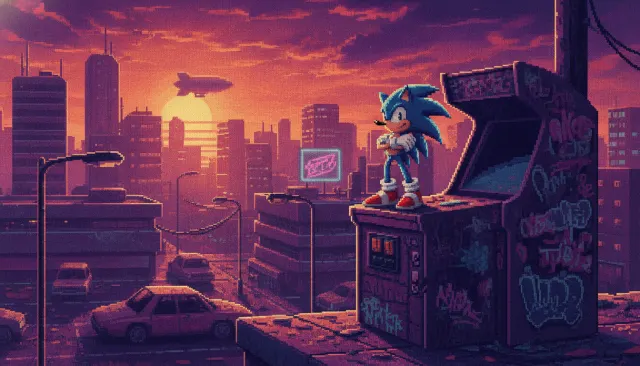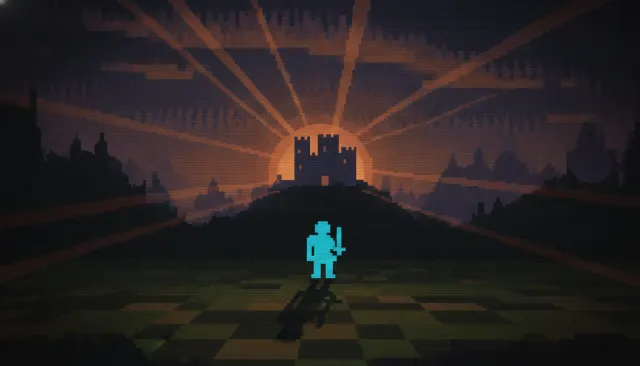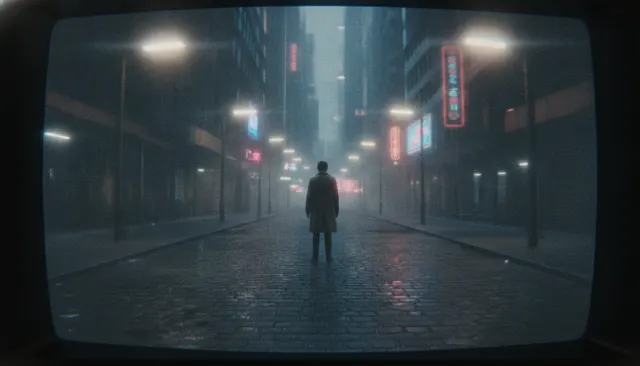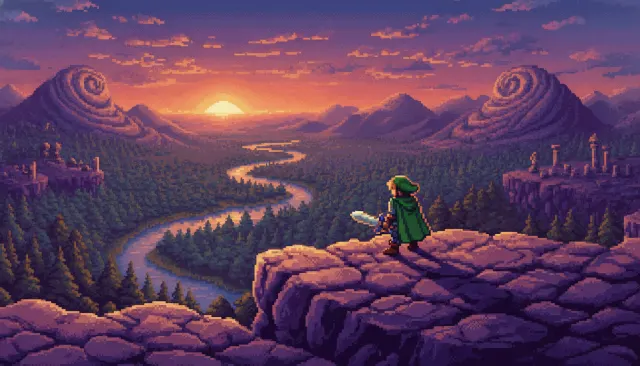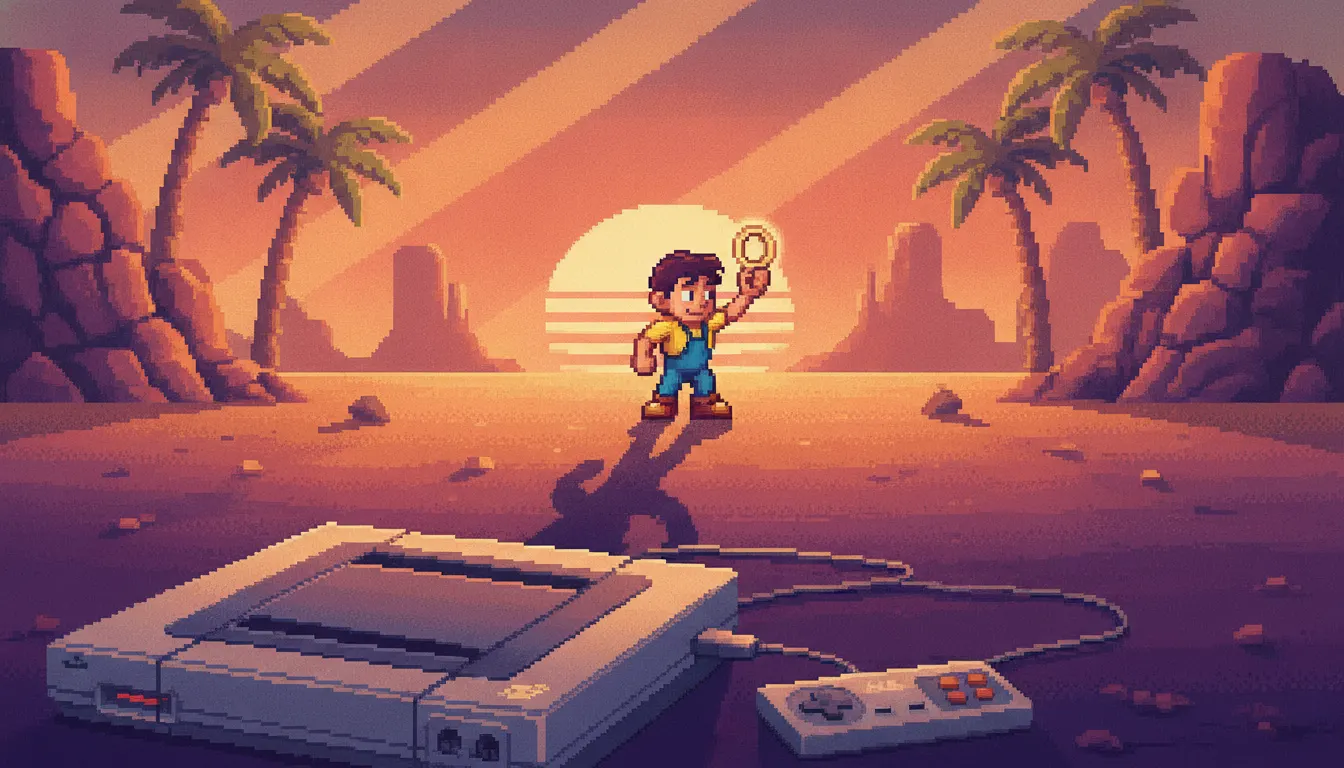
Alex Kidd in Miracle World (Sega, 1986)
pack-in game defining the SMS visual identity
Sega Master System Mark III 8-bit aesthetic. 64-color VDP palette, Alex Kidd era cartoon sprite, smoother shading than NES, European retro home console favorite.
The moves a human crew would use to get here. Cue applies them for you, and knowing their names is how you ask for a change.
color simultaneous display from 64-color master palette with vibrant primary bias
influenced character sizes and bold silhouette design for clarity at small scale
The Sega Master System (SMS, released 1985 in Japan as the Sega Mark III, 1986 in North America) was Sega's 8-bit console entry, positioned as a direct competitor to the Nintendo Entertainment System. While it lost the North American market decisively to Nintendo's distribution dominance, the SMS achieved significant success in Europe and Brazil, where it outsold the NES and maintained commercial viability into the 1990s.
The SMS used a Zilog Z80 processor at 3.58 MHz and a Texas Instruments TMS9918-derived Video Display Processor capable of displaying 64 colors from a palette of exactly 64 (6-bit color). This full-palette display distinguished the SMS from the NES's more restrictive 25 simultaneously displayable colors from a 52-color master palette. The SMS could display 64 colors simultaneously, though practical sprite and tile limitations constrained the variety of colors in typical game scenes.
Sprites were 8x8 or 8x16 pixels, with a maximum of 64 sprites on screen and 8 per scanline before flicker occurred. Background tiles used a 32x28 tile grid at 8x8 pixels each. The resolution was 256x192 pixels in standard mode. These constraints produced a visual signature: chunky, blocky characters with bold primary colors and limited detail resolution.
The SMS palette had a notably different character from the NES. Where NES games often featured muted earth tones and limited brightness (a consequence of the NES PPU's peculiar color encoding), SMS games tended toward more vibrant, saturated primaries. Blues were brighter, greens more vivid, yellows cleaner. This gives SMS games a characteristically "brighter" look compared to contemporaneous NES titles, even when the pixel density and resolution are identical.
Sega also used the SMS's larger hardware sprites more aggressively. Wonder Boy (Sega, 1986), Alex Kidd in Miracle World (Sega, 1986), and Phantasy Star (Sega, 1987) featured characters that were visually larger on screen than typical NES protagonists, lending the SMS library a slightly more colorful, arcade-influenced character.
The SMS's strongest legacy is in Europe and Brazil. Tectoy manufactured and sold the SMS in Brazil continuously from 1989 through the 2010s, making it the longest-running console in a single market. An entire generation of Brazilian gamers grew up with the SMS as their primary hardware, creating a distinct cultural relationship with the 8-bit aesthetic that persists in Brazilian indie game development today.
pack-in game defining the SMS visual identity
ambitious RPG showcasing SMS palette strengths
peak SMS art direction
cross-platform adaptation
colorful palette showcase
SMS action arcade aesthetic
A Look is not a filter. It is a set of stored decisions the pipeline reads before it makes a single frame, so two videos in the same Look actually match.