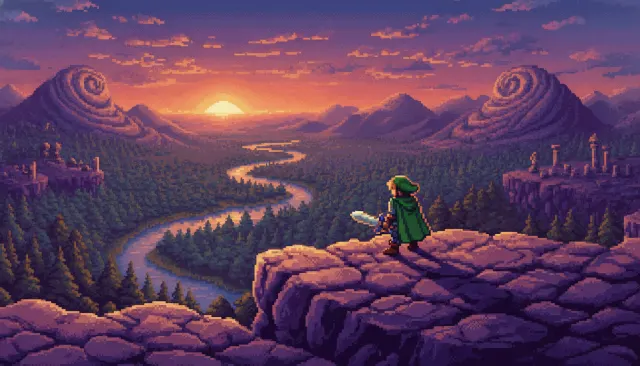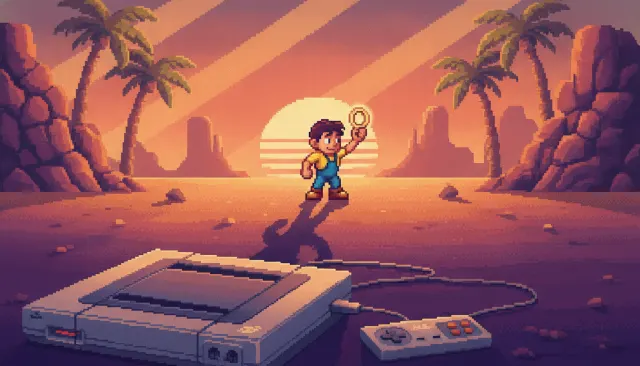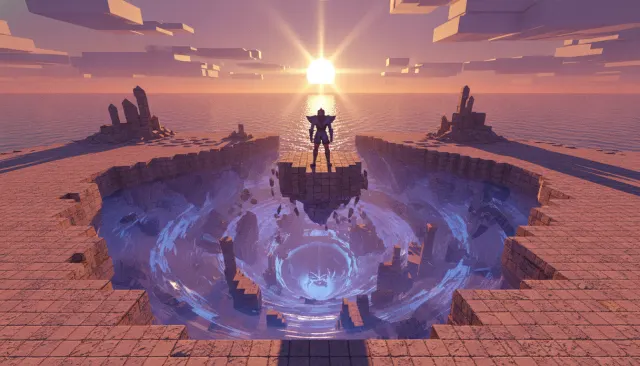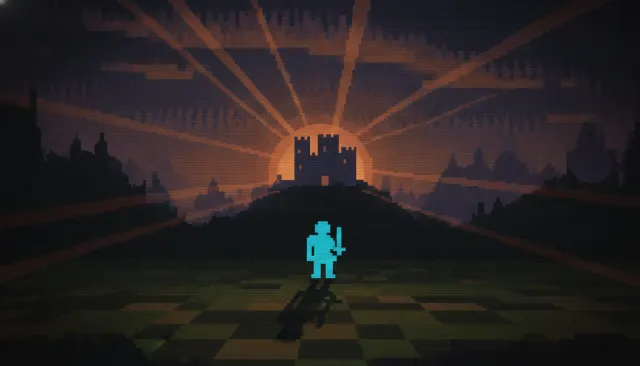
Sonic the Hedgehog (Sega AM8, 1991)
defining the Genesis color language
Sega Genesis Mega Drive 16-bit aesthetic. Saturated punchy palette, dithered shading via composite blur, Sonic the Hedgehog and Streets of Rage arcade attitude.
The moves a human crew would use to get here. Cue applies them for you, and knowing their names is how you ask for a change.
simultaneous-color palette from 512-color master, requiring strategic color allocation
2 pixels wide
contrast ratio compared to SNES's softer, more luminous palette
style color associations: Sega's palette had a characteristically cooler, more acidic blue range
The Sega Genesis (known as the Mega Drive outside North America, released 1988) was the competitive foil to Nintendo's SNES - faster clock speed, edgier mascot, darker color sensibility, and a distinctly 1990s aggressive marketing identity. Its hardware constraints produced a pixel art aesthetic immediately distinguishable from its rival: a deeper color contrast ratio, more pronounced dithering patterns, and a preference for bold primary colors with heavy black outlines.
The Genesis displayed 64 simultaneous colors from a master palette of 512 (9-bit color depth). This was significantly fewer than the SNES's 256 simultaneous colors from a 32,768-color palette. The Genesis compensated through aggressive dithering - placing alternating colored pixels in checker or diagonal patterns to simulate intermediate colors. This dithering pattern, visible on any CRT and invisible through CRT phosphor bloom, became part of the aesthetic's texture when reproduced on modern displays.
The Genesis CPU ran at 7.67 MHz (versus SNES's 3.58 MHz), enabling faster sprite movement and more on-screen objects. This speed advantage was Sega's primary marketing message - "blast processing" was the (somewhat misleading) campaign catchphrase. The visual consequence was that Genesis games tended toward faster-paced, more kinetic gameplay with backgrounds scrolling at higher velocities.
Sonic the Hedgehog (Sega AM8, 1991) defined the Genesis aesthetic for a generation. Sonic's cobalt blue against a green hill, the spin-dash blur rendering in 8 frames, the loop-de-loop with the parallax sky cycling behind it - these are the canonical Genesis visual moments. The palette choices: saturated cobalt, bright emerald, vivid yellow rings against a lighter sky blue, used exactly the hardware's 64-color display to maximum contrast effect.
Sega's Genesis library leaned into content Nintendo avoided. Mortal Kombat (Midway, ported 1993) included blood where the SNES version did not. Eternal Champions, Altered Beast, and Streets of Rage established a gritty aesthetic tradition. The Genesis color palette - with its capacity for deep blacks and bold contrast - was more suited to dark themes than the SNES's softer, more pastel tendency.
defining the Genesis color language
Genesis action aesthetic at its peak
dark Genesis atmosphere
technical showpiece of Genesis sprite capabilities
late-generation Genesis visual experiment
refined Genesis visual language
launch-era Genesis aesthetic
A Look is not a filter. It is a set of stored decisions the pipeline reads before it makes a single frame, so two videos in the same Look actually match.