Joan Marcus
Broadway photography 1990s-present, definitive documentation of hundreds of productions
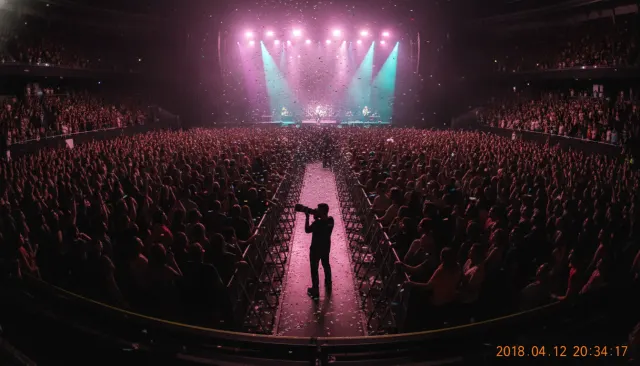
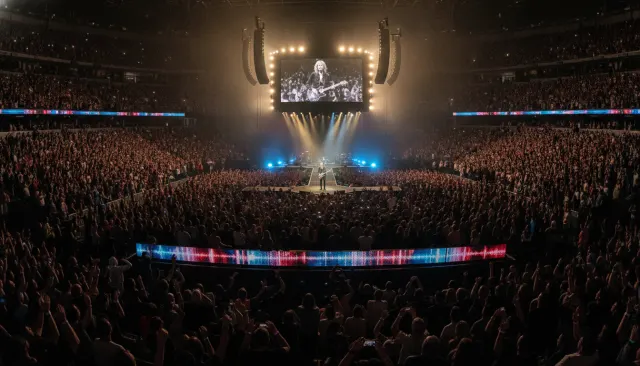
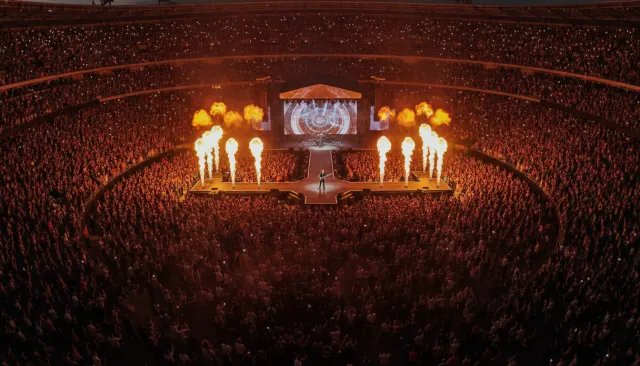
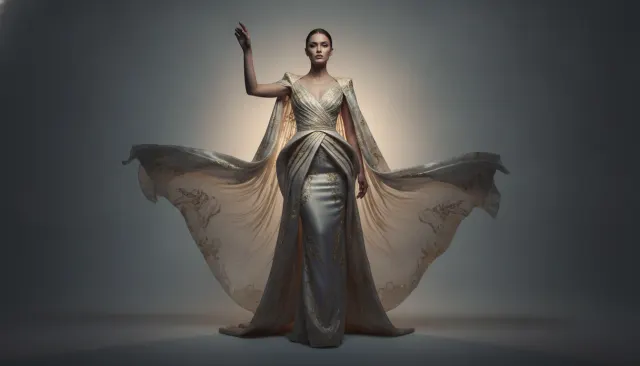
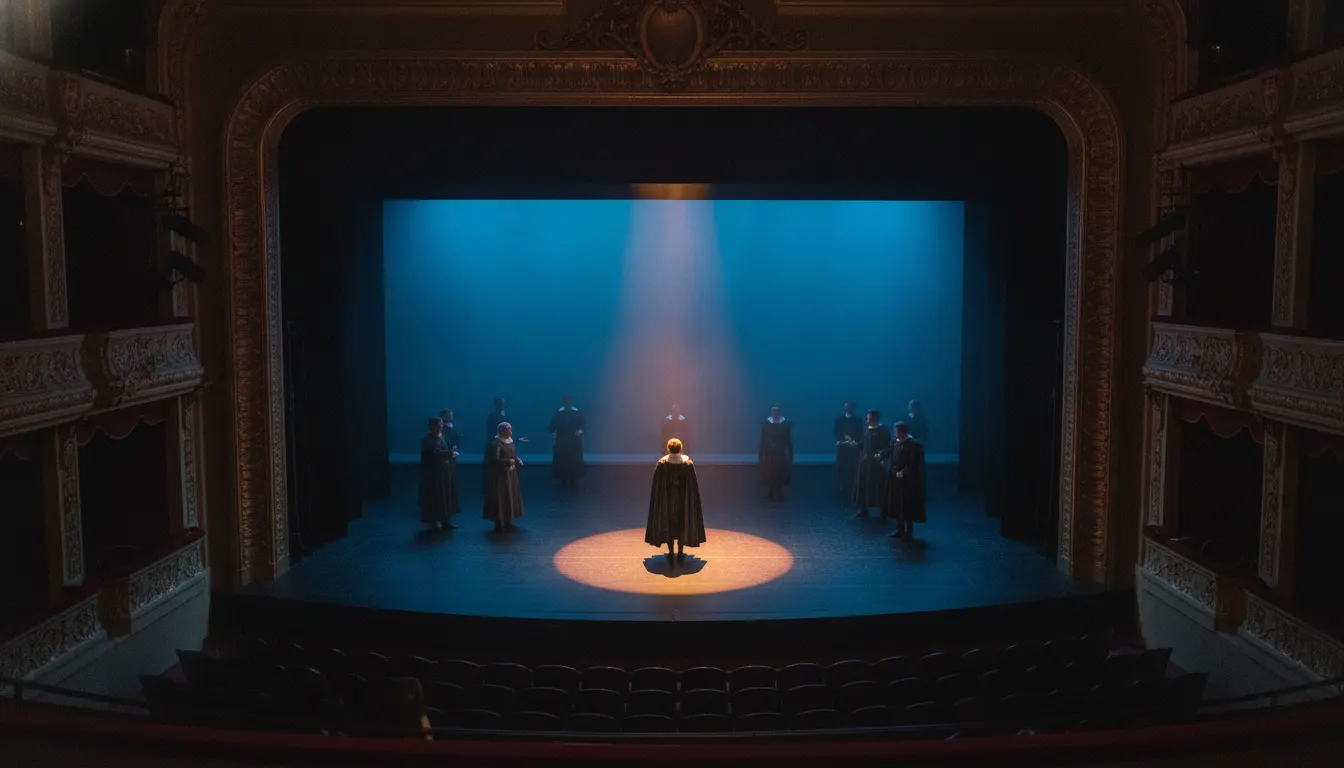
Theater production photo from house. Cyc-blue backlight, fresnel spot pool, costumed Shakespearean cast mid-scene, Playbill program editorial.
The moves a human crew would use to get here. Cue applies them for you, and knowing their names is how you ask for a change.
12800) to work in stage lighting without disrupting the performance
200mm) to isolate subjects within the scenic environment
Lee or Rosco amber, blue, pink, green as primary dramatic tools
of-house, balcony rail, or pit depending on access and production type
freeze blocking at peak emotional/scenic moments for controlled capture
Theater stage photography occupies a unique intersection between documentary and fine-art portraiture: the photographer cannot direct or control the subjects, yet the lighting has been designed by a professional lighting designer for maximum visual impact. The result is a genre defined by contrast, color gel drama, and the challenge of exposing correctly in rapidly changing conditions.
Stage photography is constrained by the need to shoot silently during performance (modern mirrorless cameras with electronic shutters have transformed this), work at high ISO with limited exposure control, and frame images from fixed positions (front-of-house, balcony rail, or pit) without disrupting the audience. The lighting is the lighting designer s instrument, not the photographer s: the photographer s job is to read it, time the frame to a peak lighting moment, and expose for the performing subject while accepting the background conditions.
Theatrical lighting designers use a vocabulary of colors - Lee and Rosco gel systems number in the hundreds of shades - that translate into a photographic palette of deep ambers, blue moonlight, pink follow-spots, and green ghost light. These colors are saturated far beyond what ambient photography typically produces, giving theatrical images a heightened, expressionist quality.
Major theater press photographers including Joan Marcus and Paul Kolnik in New York, and Manuel Harlan and Johan Persson in London, documented Broadway and West End productions for decades. Their images appear in playbills, newspaper reviews, and award campaign materials. The photographers typically work in a controlled photo call before opening night - a session where lighting and blocking are frozen for photography - and sometimes from the house during preview performances.
The most enduring stage photographs capture moments of emotional peak: a climactic confrontation, a dancer at full extension, a comedian s perfect beat before the punchline. The challenge is that theater is designed to be seen from the front, at distance, with all visual information optimized for a human eye sitting 20-80 feet away. The camera sees differently: telephoto compression can isolate a single face within the scenic environment in ways the audience never experiences.
Broadway photography 1990s-present, definitive documentation of hundreds of productions
New York City Ballet and Broadway, 1980s-present
West End production photography, London, 1990s-present
Royal Shakespeare Company and West End documentation
defining theatrical image of the era
Joan Marcus photos defining modern musical iconography
Broadway documentation 1950s-1990s, foundational theatrical archive
A Look is not a filter. It is a set of stored decisions the pipeline reads before it makes a single frame, so two videos in the same Look actually match.