Anna Wintour first Vogue cover (November 1988)
Peter Lindbergh, Michaela Bercu in Lacroix and Guess jeans
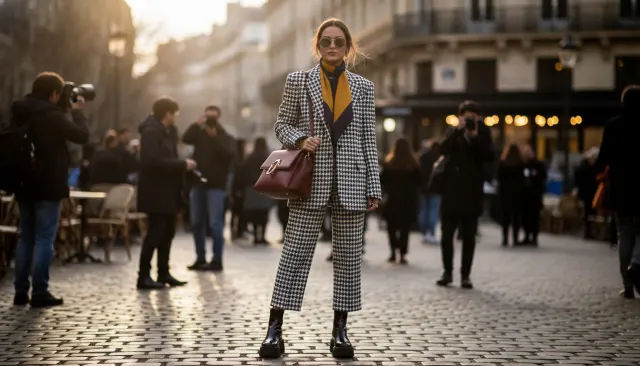
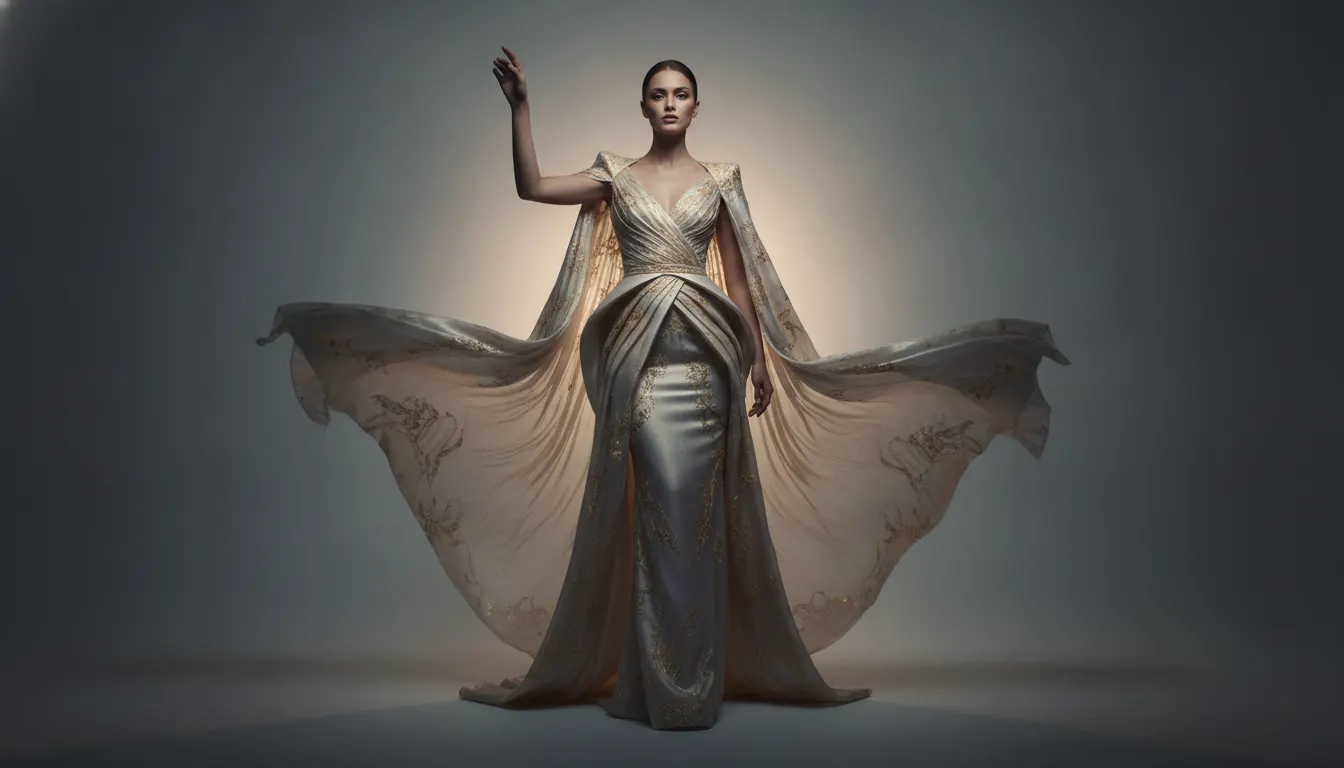
Vogue cover-shoot polish. Beauty-dish key, retouched-skin sheen, couture gown, single-color seamless backdrop, Anna Wintour era.
The moves a human crew would use to get here. Cue applies them for you, and knowing their names is how you ask for a change.
flattering but not oversaturated
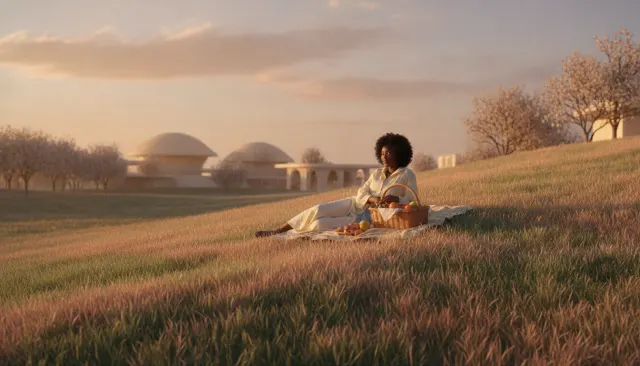
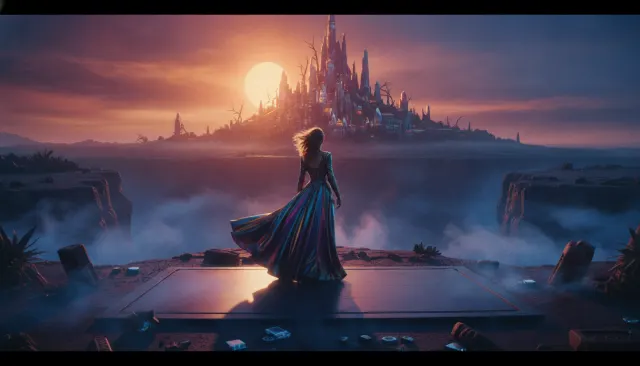
location shoots with coherent fictional environments
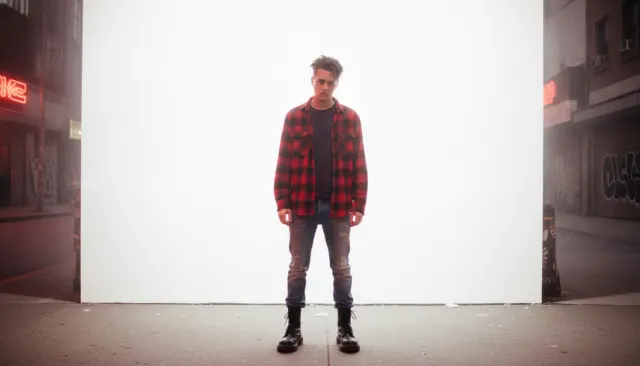
specific posing: elongated, angular, deliberately styled body language
American Vogue under editor Anna Wintour, who took the role in September 1988, established the modern template for glossy fashion editorial photography. The Wintour era redefined Vogue s visual language: sharper, more commercial, more celebrity-oriented, and technically more polished than the experimental editorial direction of the Diana Vreeland years. The result was a visual standard that competitors, advertisers, and photographers worldwide used as their reference point.
Wintour s most significant editorial innovation was the September issue as fashion industry event. Under her direction, the September Vogue became the most-read, most-advertised, and most-photographed fashion publication in the world. The 2009 documentary The September Issue (directed by R.J. Cutler) documented the production of the September 2007 issue and introduced Wintour and creative director Grace Coddington to a global popular audience.
Wintour s first cover, November 1988, showed model Michaela Bercu in a Christian Lacroix jacket and Guess jeans - the first time a Vogue cover had shown jeans. The image, shot by Peter Lindbergh, announced the approach: aspirational but accessible, high-fashion but legible.
Creative director Grace Coddington served as the primary visual intelligence behind Vogue s editorial spreads from 1988 until her semiretirement in 2016. Coddington s vision was narrative and romantic: editorial spreads told stories rather than simply displaying clothing. She created elaborate location shoots in period-specific environments (Versailles, Moroccan riads, English country houses) that gave the fashion a fictional context. Her partnership with photographers including Annie Leibovitz, Arthur Elgort, Peter Lindbergh, and Helmut Newton produced some of the most memorable editorial images in fashion history.
Vogue editorial photography from 1988-2010 is characterized by technically perfect exposure, professional studio lighting systems (Profoto, Broncolor) that created even, flattering light without harsh shadows, and medium-format or large-format film originals (Hasselblad, Mamiya, Sinar) that produced extraordinary tonal range when printed at full spread size. Color grading was warm but precise: skin tones rendered with flattering warmth, fabric colors accurate and rich.
The shift to digital capture (Canon EOS 1Ds Mark III and Hasselblad H3D became standards around 2007-2010) maintained the technical precision while introducing the possibility of instantaneous review and more complex postproduction. Pascal Dangin became the defining retoucher for Vogue editorial from the mid-2000s, creating the hyper-perfect digital skin treatment that defined a decade of luxury fashion imagery.
Peter Lindbergh, Michaela Bercu in Lacroix and Guess jeans
Beyonce with Tyler Mitchell photography
defining the Wintour era look
power and provocation within the glossy format
A Look is not a filter. It is a set of stored decisions the pipeline reads before it makes a single frame, so two videos in the same Look actually match.