Sea of Stars (Sabotage Studio, 2023)
the defining modern mid-2010s RPG pixel aesthetic
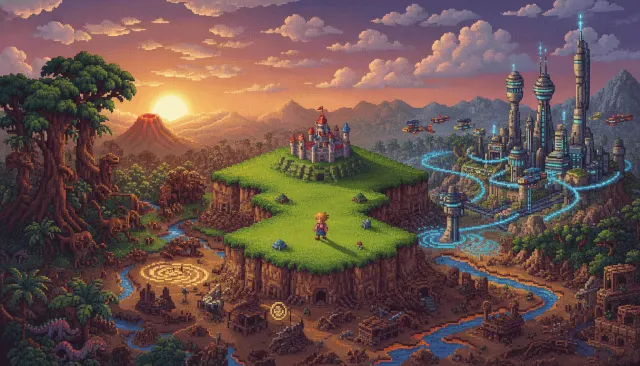
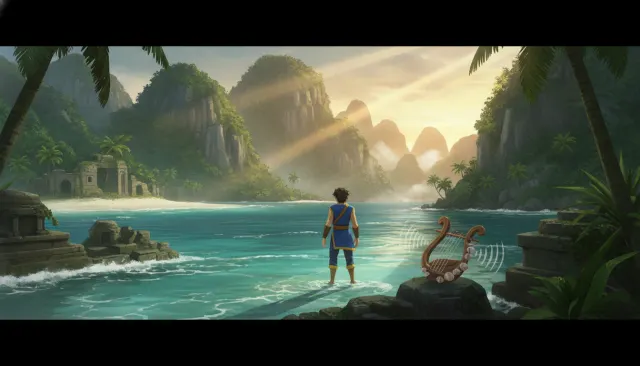
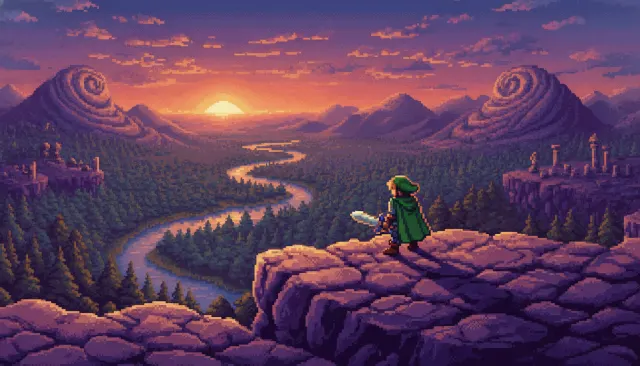
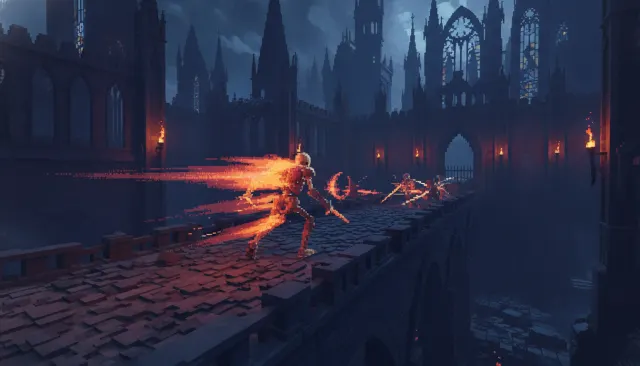
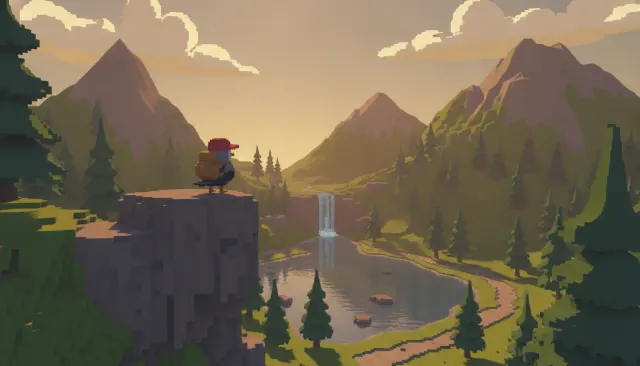
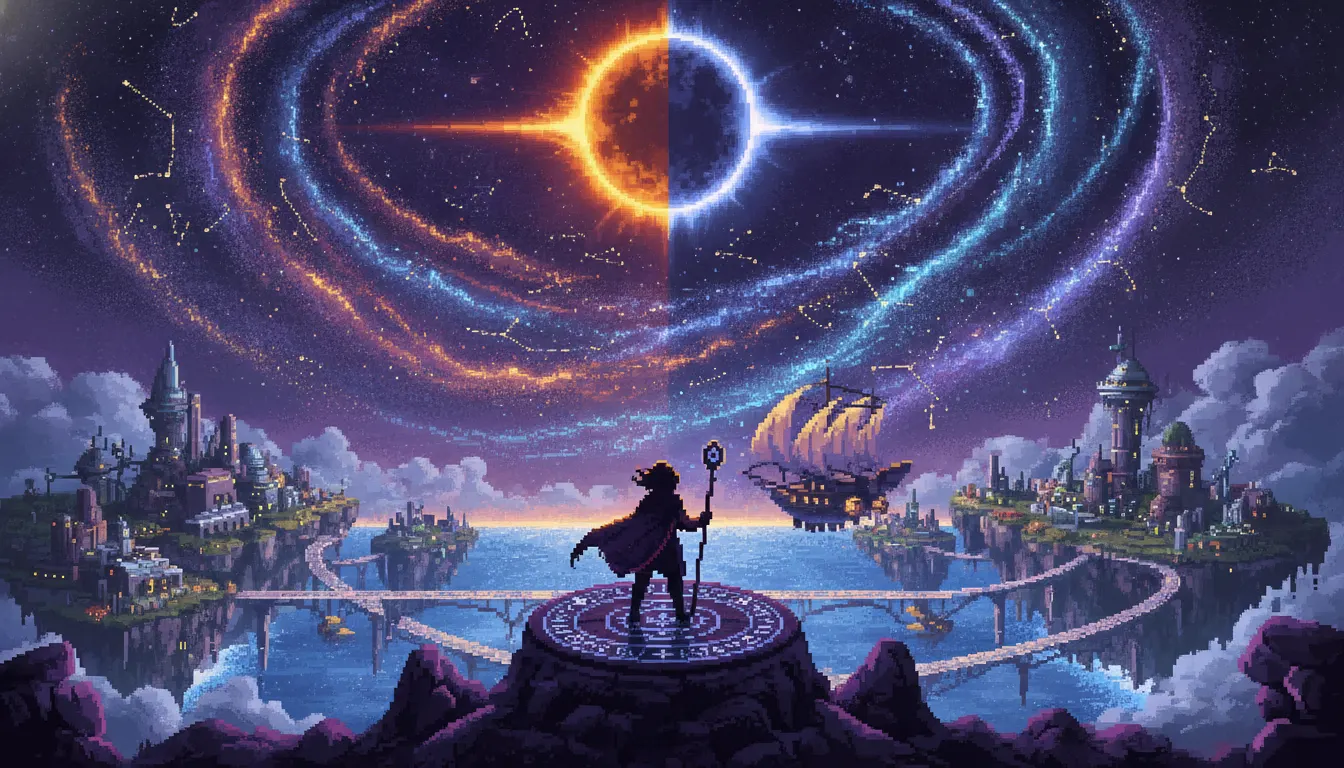
Sea of Stars modern pixel JRPG aesthetic. Sabotage Studio Chrono Trigger homage, dynamic lighting on pixel sprites, cosmic eclipse magic palette.
The moves a human crew would use to get here. Cue applies them for you, and knowing their names is how you ask for a change.
density pixel art sprites exceeding SNES hardware limits while retaining pixel structure
time dynamic lighting casting accurate shadows and highlights on sprite geometry
layer parallax scrolling with foreground, midground, and distant backdrop planes
color mode limits
proportion character design (large heads, expressive eyes) translated into pixels
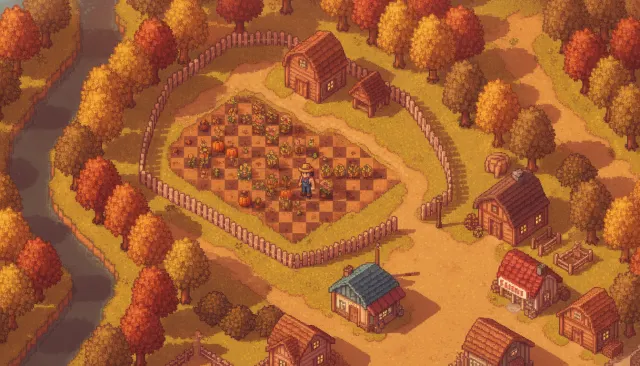
Sea of Stars (Sabotage Studio, 2023) occupies a precise aesthetic target: it is not a SNES-era game, nor does it aspire to be. Instead, it represents what Sabotage called a "mid-2010s indie RPG" look - the style that emerged when developers like Eric Barone (Stardew Valley, 2016) and Maddy Thorson (Celeste, 2018) demonstrated that pixel art could be elevated through modern technical capabilities while retaining the genre nostalgia that made it compelling.
Sabotage's previous title, The Messenger (2018), was a direct Ninja Gaiden homage using authentic NES/SNES constraints. Sea of Stars deliberately steps beyond those constraints. Characters are drawn at a higher pixel density than true SNES sprites. The color palette exceeds what SNES hardware could produce. Most significantly, the backgrounds are rendered with real-time dynamic lighting that casts character sprites as lit objects within a lit environment - something completely impossible on SNES hardware.
This technical departure is the aesthetic's defining tension. Sea of Stars looks like a hyper-polished memory of a SNES game rather than an actual SNES game. It occupies the emotional register of Chrono Trigger (Square, 1995) and Super Mario RPG (Square, 1996) while being technically closer to modern indie engines.
Sabotage studio directly cited Chrono Trigger as the primary inspiration. The time-travel adventure, the party-based combat, and the world spanning multiple eras all derive from Masato Kato and Yasunori Mato's 1995 masterpiece. Visually, this translates to rich environmental variety (each era has a distinct biome), prominent parallax scrolling conveying geographic depth, and the Toriyama-esque character proportions translated into pixel art.
The most technically distinctive feature is the real-time light system applied to sprite art. Characters cast and receive light dynamically - shadows shift as characters move under torches, underwater levels have caustic light patterns playing across sprites, and the day/night cycle changes the color temperature of outdoor environments. This technique, pioneered by Owlboy (D-Pad Studio, 2016) and refined in Octopath Traveler (Square Enix, 2018), places Sea of Stars in a specific lineage of technically ambitious pixel art.
the defining modern mid-2010s RPG pixel aesthetic
primary creative and visual ancestor
HD-2D predecessor to this lit pixel art approach
pioneering dynamic lighting on sprite art
Sabotage's earlier, stricter retro approach
parallel modern pixel art revival
A Look is not a filter. It is a set of stored decisions the pipeline reads before it makes a single frame, so two videos in the same Look actually match.