Soul
2020
Pixar Animation Studios, Pete Docter/Kemp Powers
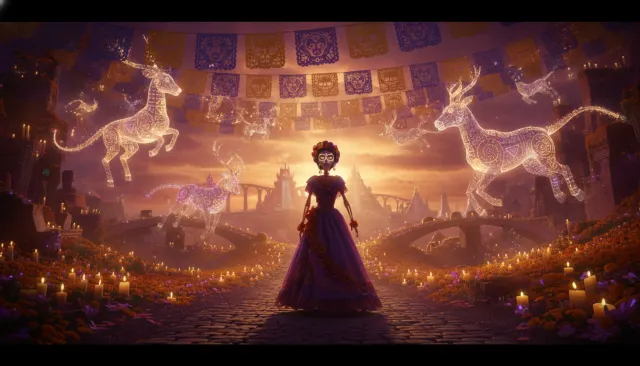
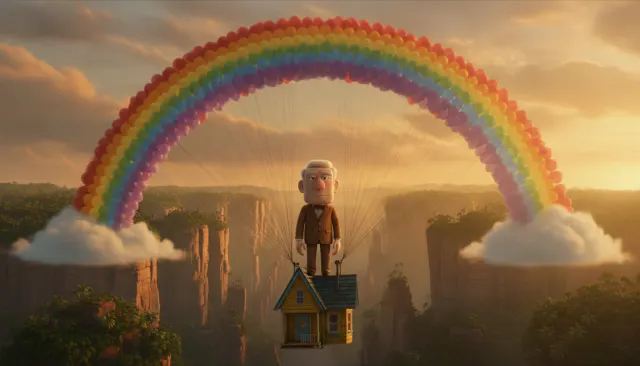
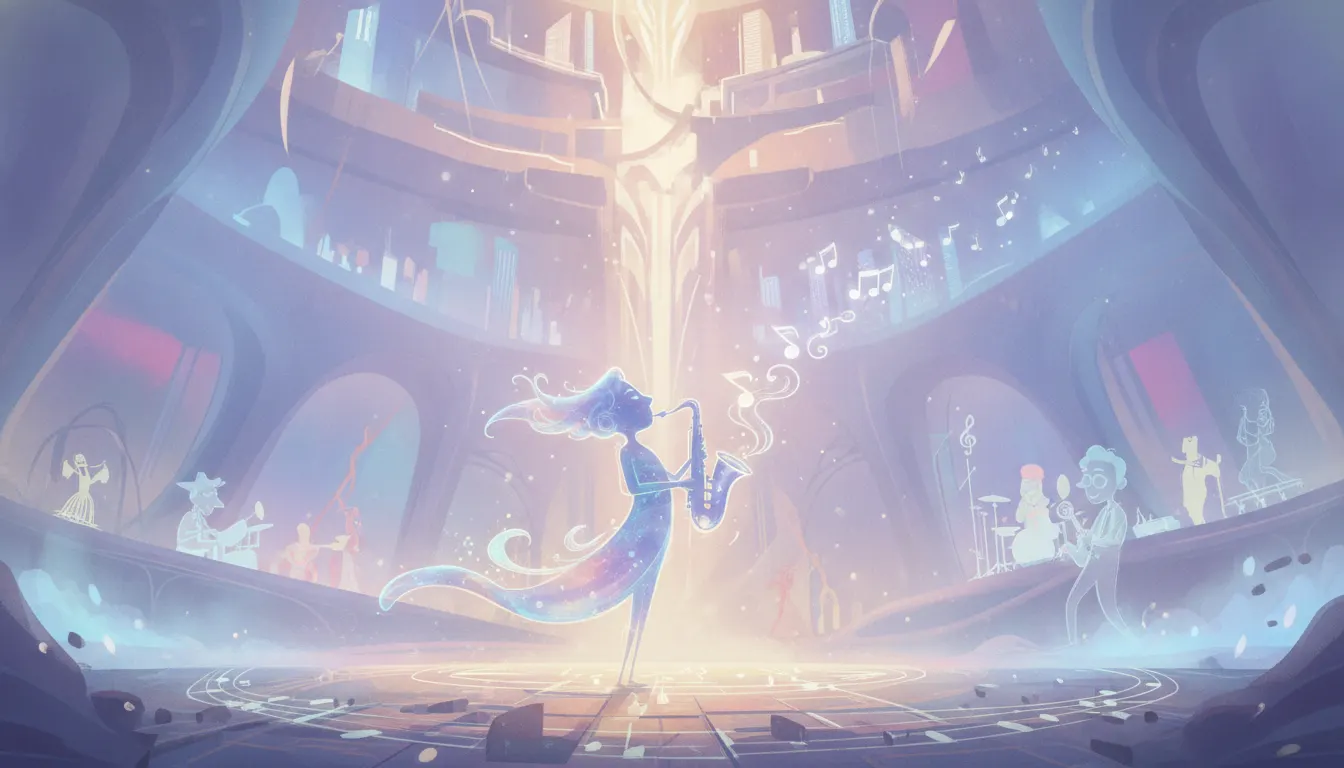
Pixar Soul, NYC jazz-club CG. Stylized human caricature, soft pastel palette, abstract Great Before realm, Trent Reznor electronic score-ready.
The moves a human crew would use to get here. Cue applies them for you, and knowing their names is how you ask for a change.
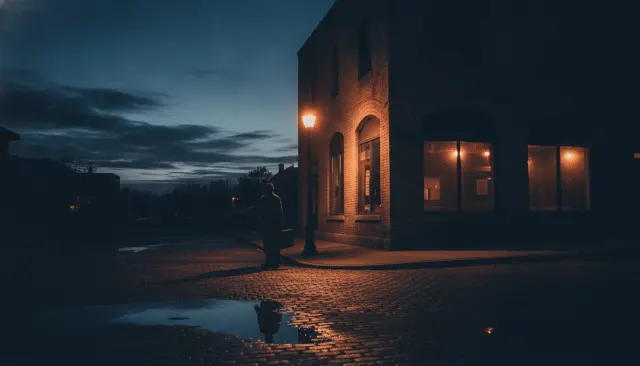
contrast amber/blue jazz club lighting referencing Blue Note record cover photography
influenced composition
accurate key and brass surface response
rich New York environments and flat, abstract metaphysical spaces
Soul (Pixar Animation Studios, 2020), directed by Pete Docter and Kemp Powers, presented Pixar with two distinct visual problems that generated the film's dual aesthetic identity: how to render contemporary New York City jazz culture with specificity and respect, and how to visualize abstract metaphysical spaces (the Great Before, the Great Beyond) that have no real-world equivalent.
Production designer Steve Pilcher and the Pixar art team took an unusually research-intensive approach to the film's New York sequences. The art direction draws on jazz photography (Gordon Parks, Herman Leonard's iconic smoke-and-spotlight club images), Harlem neighborhood specificity (the barbershop, the subway, the jazz venue), and New York City's particular quality of winter afternoon light. Characters in the New York sequences are rendered with more detailed facial geometry than typical Pixar characters - the decision to portray a Black protagonist (Joe Gardner) with accurate skin tone and hair texture required careful collaboration with cultural consultants and technical hair rendering development.
The jazz sequences draw on a visual vocabulary of smoky amber light, blue-tinged shadow, and warm spot-lighting that references both film noir cinematography and the high-contrast black-and-white photography that documented bebop's New York years. When Joe plays piano in the Dorothea Williams Quartet, the lighting deliberately evokes the aesthetic of a 1950s Blue Note record cover.
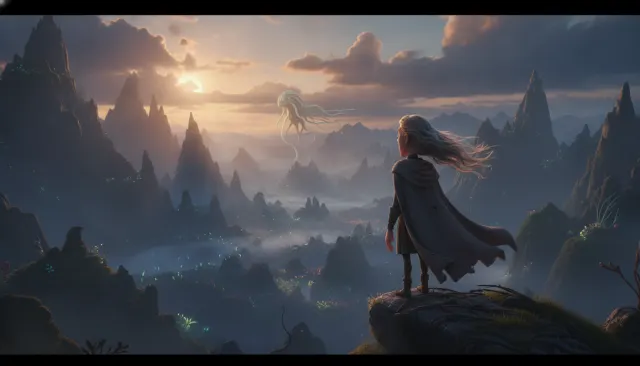
The 'Great Before' - where new souls develop their personalities before being born - was designed by Pixar and production designer Michael Yates in collaboration with outside fine artists. The aesthetic draws on abstract illustration and graphic design traditions: flat-colored geometric shapes, Saul Bass-influenced compositions, and Mondrian-adjacent color blocking. This abstraction provides maximum contrast with the dense, texture-rich New York environments, visually reinforcing the gap between the eternal and the temporal.
Pete Docter and producer Dana Murray engaged deeply with the New York jazz community during production, consulting with musicians including Jon Batiste (who composed the in-world jazz score) and attending live sessions to capture performance specificity. This research is visible in the visual details of the jazz sequences: the specific angle of a trumpet bell, the physical vocabulary of a pianist's shoulder movement, the way a rhythm section communicates without looking at each other. These details give the jazz club sequences a documentary credibility that amplifies the emotional authenticity of Joe's relationship with music. Batiste's compositions were performed and recorded first, then animated to, rather than scored to completed animation - an unusual production approach for Pixar that prioritized musical authenticity over animation convenience.
2020
Pixar Animation Studios, Pete Docter/Kemp Powers
2017
Pixar Animation Studios; emotional Pixar world contrast aesthetic sibling
2015
Pixar Animation Studios, Pete Docter; abstract psychological world predecessor
2019
Stanley Nelson; jazz visual documentary reference
2021
Walt Disney Animation; cultural specificity in animation sibling work
A Look is not a filter. It is a set of stored decisions the pipeline reads before it makes a single frame, so two videos in the same Look actually match.