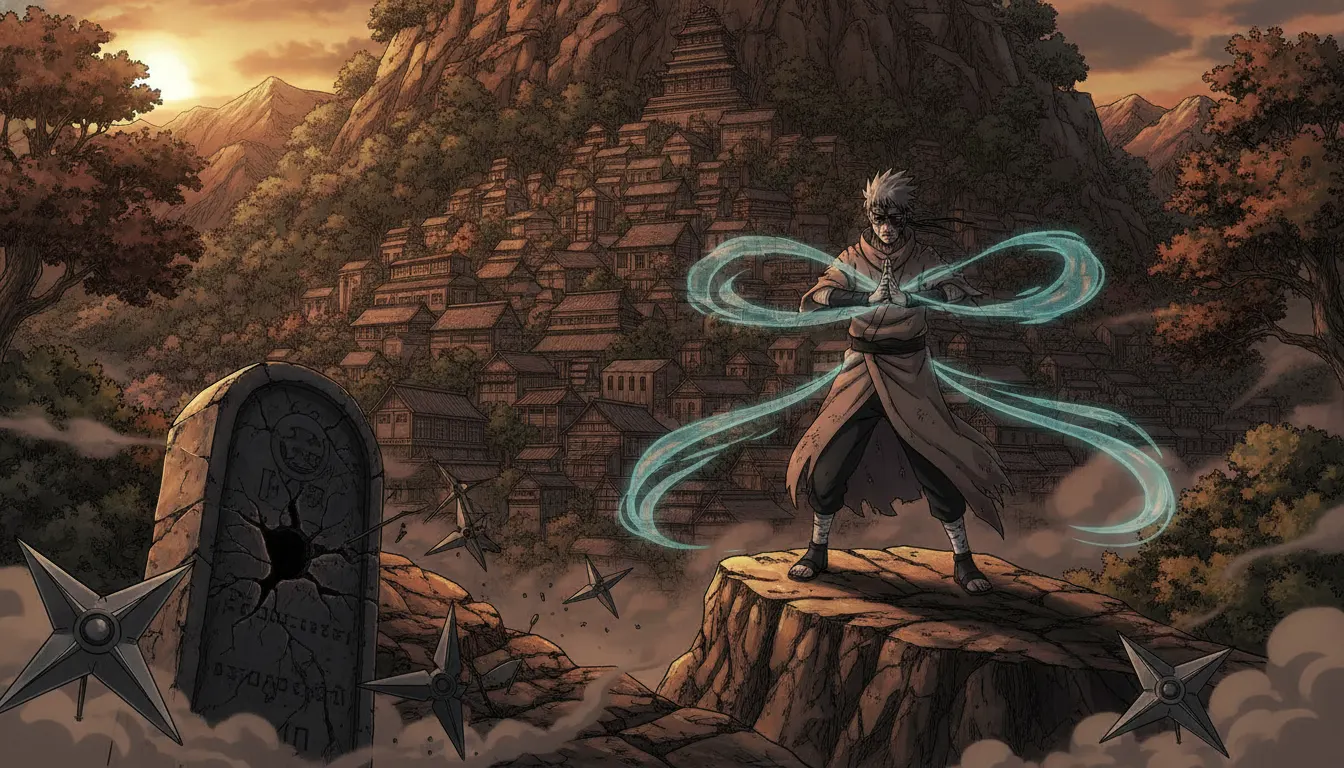
Naruto
Studio Pierrot / Masashi Kishimoto · 2002
Original series running 220 episodes, establishing the village aesthetic, chakra system, and global fanbase
Studio Pierrot (Naruto, Bleach, Tokyo Ghoul) shonen ninja register. Earth-tone palettes, hand-sign chakra effects, hidden village backdrops, shuriken impact frames.
The moves a human crew would use to get here. Cue applies them for you, and knowing their names is how you ask for a change.
Each ninja village assigned a distinct color palette -- Konoha's forest greens, Suna's sand yellows, Kiri's blue-grey fog -- creating geographic emotional geography
Character supernatural energy visualized as a colored mantle surrounding the body -- from simple aura effects in early Naruto to fully detailed Bijuu Mode cloaks in later Shippuden
Rapid hand gesture animation preceding a jutsu activation -- a visual ritual that varies in speed and emphasis to indicate power level and dramatic stakes
Character designs with distinctive silhouette readable at low resolution or merchandise scale: Naruto's jumpsuit bulk and whiskers, Sasuke's angular collar, Rock Lee's bowl cut and jumpsuit
The series' signature 'ninja run' (leaning forward, arms back) as movement shorthand that became globally parodied -- a deliberately stylized non-realistic motion that reads as culturally specific
Chunin Exam and later power-ranking tournament sequences with progressive opponent reveal and battle-scale escalation as visual storytelling rhythm
Studio Pierrot, founded in 1979, became the dominant studio for long-running Shonen Jump adaptations through its two most commercially successful properties: Naruto / Naruto: Shippuden (2002-2017, adapting Masashi Kishimoto's 1999-2014 manga) and Bleach (2004-2012, adapting Tite Kubo's 2001-2016 manga). The Naruto anime ran for 720 episodes across 15 years, making its visual conventions -- the orange-and-blue village aesthetic, chakra effect rendering, and ninja movement shorthand -- among the most globally recognizable anime images.
Kishimoto's design system created a village-based ninja world with strong geographic color identity: Konoha (Hidden Leaf Village) in forest greens and earth tones; Suna (Hidden Sand) in desert yellows; Kiri (Hidden Mist) in blue-grey fog. Character designs use strong silhouette differentiation -- Naruto's whisker marks and orange jumpsuit, Sasuke's dark blue to eventually all-white -- that enables identification at low resolution, useful for the merchandise-intensive franchise.
Naruto's supernatural combat system is visualized through chakra effects: colored energy mantles (Naruto's orange/red Nine-Tails chakra, Sasuke's blue Chidori lightning, Gaara's sand manipulation), jutsu hand-sign sequences, and Rasengan/Chidori clash effects. These were rendered with progressively increasing budget and craft across the series -- early Naruto's modest chakra effects versus Shippuden's fully realized Bijuu Mode transformations and the theatrical films' peak-quality action.
Naruto Shippuden's production is historically documented for its quality inconsistency: peak episodes (written and animated by exceptional teams) contrast with visibly budget-reduced filler arcs. This paradox produced iconic 'sakuga' peaks (Pain arc, Minato flashback sequences, Kakashi Gaiden) alongside notorious low-quality episodes. Fans' documentation of this contrast contributed to anime production awareness as a public discourse.
Boruto: Naruto Next Generations (2017-present, also Pierrot) updated the aesthetic: character designs with more contemporary anime proportions, a larger color palette reflecting a modernized Konoha, and action sequences that deploy more CG integration. The evolution from Naruto's 2002 visual grammar to Boruto's 2017 version documents 15 years of anime production technology change within a single franchise.
Studio Pierrot / Masashi Kishimoto · 2002
Original series running 220 episodes, establishing the village aesthetic, chakra system, and global fanbase
Studio Pierrot / Masashi Kishimoto · 2007
500-episode continuation containing the Pain arc, Fourth Shinobi War, and the series' peak animation sequences
Studio Pierrot · 2010
Theatrical entry with budget-concentrated action quality showcasing peak Pierrot Naruto animation
Studio Pierrot / Ukyo Kodachi · 2017
Sequel series with modernized visual conventions documenting 15 years of production evolution
Studio Pierrot / Tite Kubo · 2004
Parallel Pierrot Shonen Jump adaptation with Kubo's fashion-forward character designs contrasting Kishimoto's functional-design approach
Studio Pierrot / Tite Kubo · 2022
Pierrot's quality-concentrated return to Bleach showing the studio's capability when given adequate production conditions
A Look is not a filter. It is a set of stored decisions the pipeline reads before it makes a single frame, so two videos in the same Look actually match.
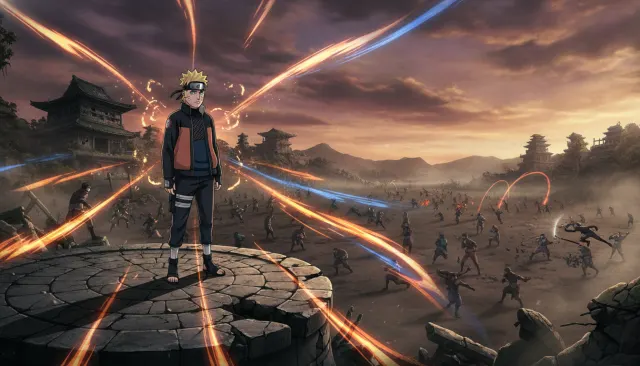 Era Classic Anime Expanded2000s Naruto Shippuden Modern Shonen
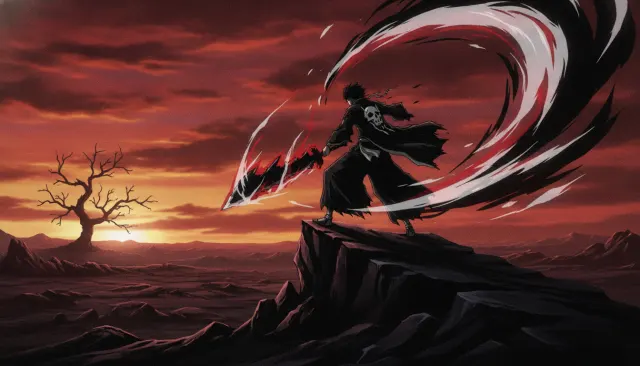 Era Classic Anime Expanded90s Bleach Shinigami Aesthetic
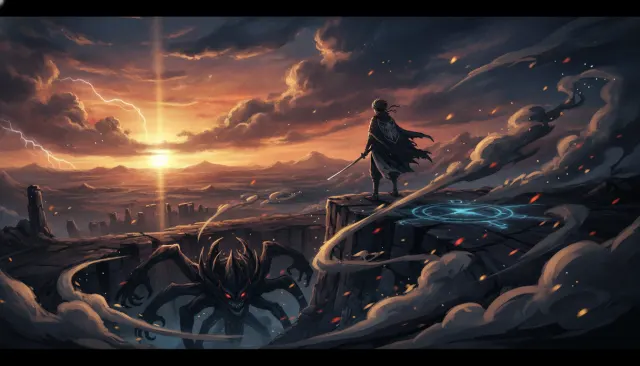 Studio AestheticMAPPA Modern Shonen
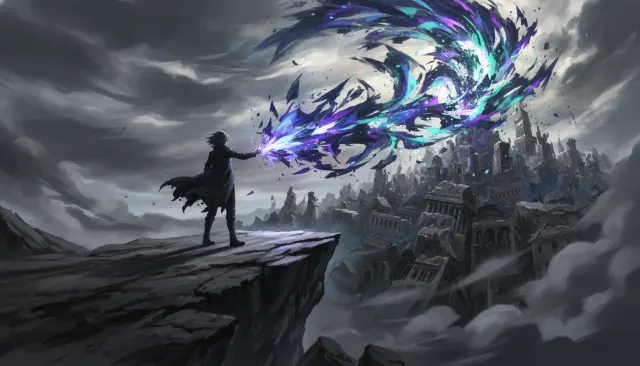 Studio Aesthetic ExpandedBones Studio Mob Psycho Action
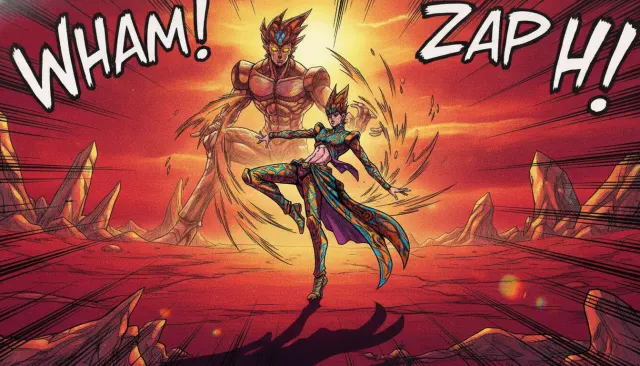 90S Manga AestheticsJoJo Bizarre Adventure Flamboyant Pose
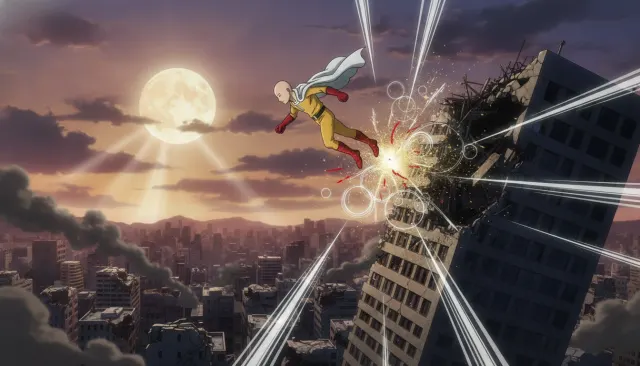 Era Classic Anime Expanded2010s One Punch Man Bouncing Comic