NATURE MACRO · CONTEMPORARY · INTERNATIONAL
Nature Macro
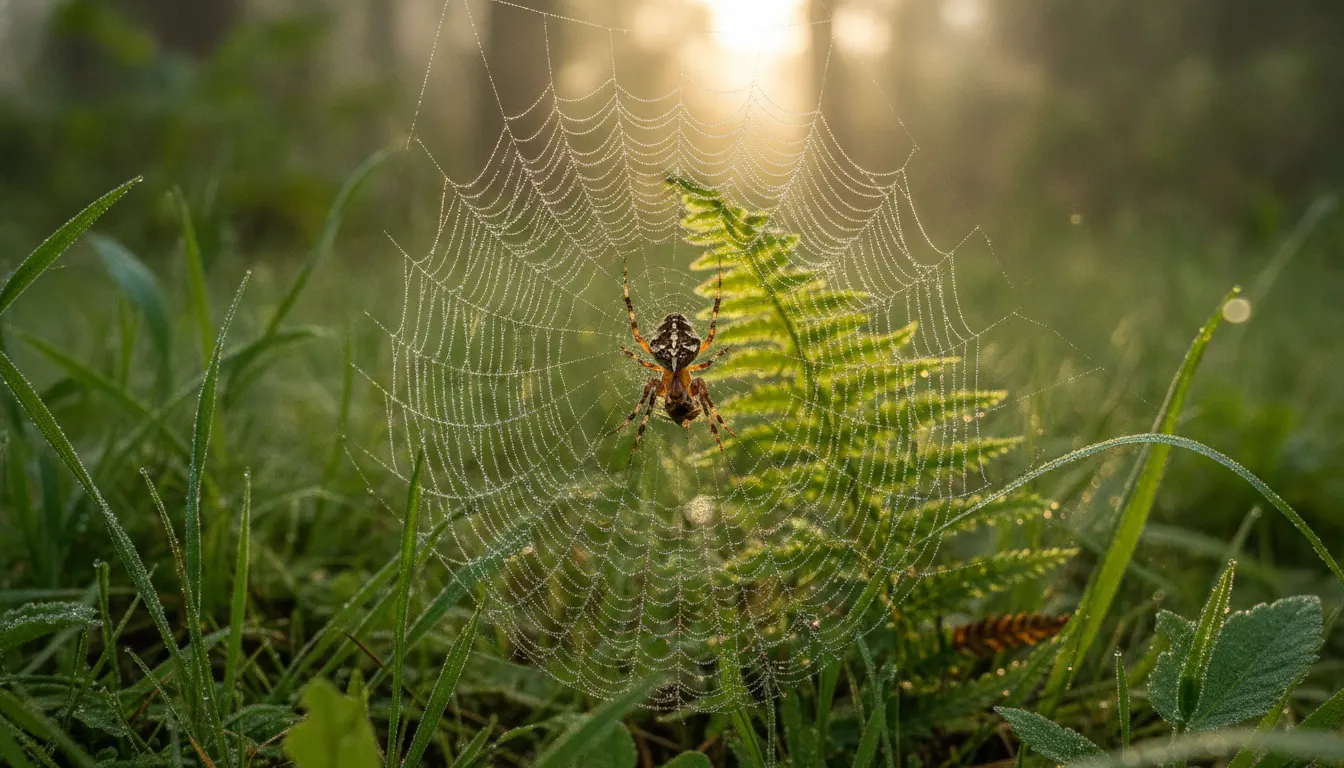
Extreme close-up nature. Dewdrops, insect detail, vivid greens, razor-sharp focus.
serenedetailedorganicmeditative
LUT bbc-earth-macro
WHEN TO USE
- Nature, ecology, or conservation content where microscale detail communicates biodiversity or environmental story
- Science communication or educational content making the invisible world visible for broad audiences
- Beauty or cosmetics brand content using natural textures (pollen, moss, mineral) as visual metaphor
- Food photography or packaging using macro detail of ingredients, spices, or textural elements
- Abstract art photography where natural micro-structures are used as pure compositional and color material
- Documentary or streaming content about the natural world requiring cutaway or B-roll at intimate scale
WHEN NOT TO USE
- Standard environmental portraiture where the subject is a person or landscape rather than a small-scale natural element
- Wide-angle or architectural photography contexts where macro's scale is fundamentally inappropriate
- Content requiring fast-moving subjects where macro's shallow depth of field and slow shooting pace create unacceptable miss rates
- News or breaking story visual content where production time for macro setups is unavailable
- Social media thumbnails requiring immediate subject recognition at small display size (macro abstracts poorly at thumbnail scale)
SIGNATURE TECHNIQUES
How the look is made.
The moves a human crew would use to get here. Cue applies them for you, and knowing their names is how you ask for a change.
- 01Dedicated macro lens at 1
1 ratio or greater (100mm f/2.8 macro is the standard workhorse)
- 02Ring flash or twin macro flash for shadow
free illumination at close working distances
- 03Focus stacking (multiple exposures at incrementally different focus points combined in post) for greater apparent depth of field
- 04Tripod or dedicated macro focusing rail for precise focus control at extreme magnifications
- 05Shallow depth of field deliberately exploited
subject emerges from blurred color field
- 06Natural diffused light (overcast or golden
hour) for organic, non-flash macro work
- 07Patience and stillness
living macro subjects require long observation periods before decisive frame moments
HISTORY & CONTEXT
Where it comes from.
Nature Macro
Macro photography is defined technically as imaging at reproduction ratios of 1:1 or greater - where the sensor plane captures a subject at life size or larger. Applied to the natural world, it reveals an alien landscape of compound eyes, pollen architectures, water droplet physics, and insect anatomy invisible to normal human vision. The genre has roots in scientific illustration but became a distinct photographic art form through the 1960s-1980s work of photographer-naturalists publishing in National Geographic and BBC Wildlife.
Technical Foundation
The dedicated macro lens (typically 60mm, 90mm, 100mm, or 180mm focal length at 1:1 ratio) is the primary tool. Longer focal length macro lenses (100-180mm) provide greater working distance from the subject - critical when photographing living insects that will flee at close approach. Extension tubes and close-up diopters can adapt standard lenses for macro work. At 1:1 magnification, depth of field is measured in millimeters; at 2:1 or greater, fractions of a millimeter. This forces precise focus stacking or acceptance of an extremely thin focal plane as an aesthetic choice.
Lighting Challenges and Solutions
At macro distances, the lens barrel itself can shadow the subject. Solutions include ring flash (circular flash unit that mounts around the lens front element, providing shadow-free even illumination), twin macro flash units mounted at 2 and 10 o'clock positions for subtle side modeling, and diffused natural light using reflectors or a foam core bounce. LED ring lights have largely replaced flash for video macro work. Natural light macro - using diffused golden-hour or overcast soft light - produces the most organic results but requires extremely stable subject and camera.
The Micro World Aesthetic
Macro's visual signature is the radical compression of depth of field creating a subject that emerges sharply from a smooth, out-of-focus sea of color. The bokeh in nature macro images is produced by the blurred natural environment - green foliage, soil, water - and often has a characteristic circular or linear quality depending on aperture and background structure. Color can be extraordinary: iridescent beetle exoskeletons, the UV-reflective patterns on flower petals, the engineering of a spider's silk attachment point.
NOTABLE WORKS
Where you have seen it.
BBC Natural History Unit, Life in the Undergrowth, presented by David Attenborough, 2005
Levon Biss, Microsculpture exhibition, Oxford University Museum of Natural History, 2016
Nikon Small World photomicrography competition winners, annually 1974-present
Art Wolfe, insect and botanical macro work, multiple National Geographic assignments
Annie Griffiths, wildlife macro editorial, National Geographic, 1980s-2000s
THE RECIPE
The exact knobs
the renderer turns.
A Look is not a filter. It is a set of stored decisions the pipeline reads before it makes a single frame, so two videos in the same Look actually match.
SettingValue
GradeColour LUT applied to every frame
bbc-earth-macroTransitionHow one shot becomes the next
soft cuts · 500ms · ease-in-outKen BurnsCamera move applied to stills
Slow push · 0.02 · centerTypographyDisplay / body / mono pairing
Lora · Inter · JetBrains MonoMusic moodWhat the bed under the voice sounds like
ambient-nature · soft-stringsPrompt suffixAppended to every shot prompt in this Look
macro nature photography, dewdrops, insect detail, sharp greensPALETTE
Primary
#0F5132
Secondary
#15803D
Accent
#84CC16
Text/Light
#0A2A1A
Text/Dark
#ECFCCB
BG 900
#06180F
BG 800
#0F2A1B
RELATED LOOKS
Next to it on the shelf.
Your first cut
is on us.
+ New videoFree plan · no card · 1080p export